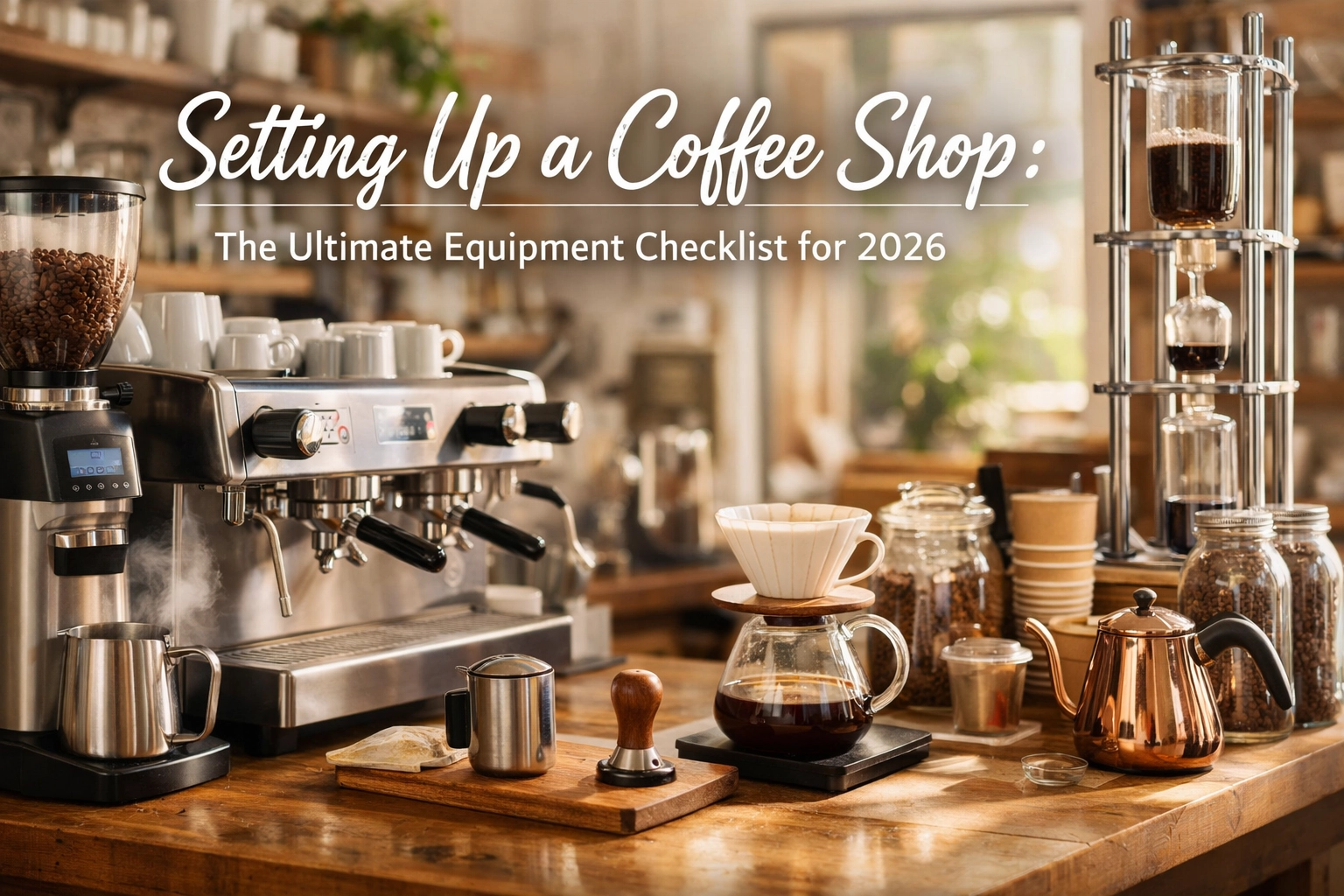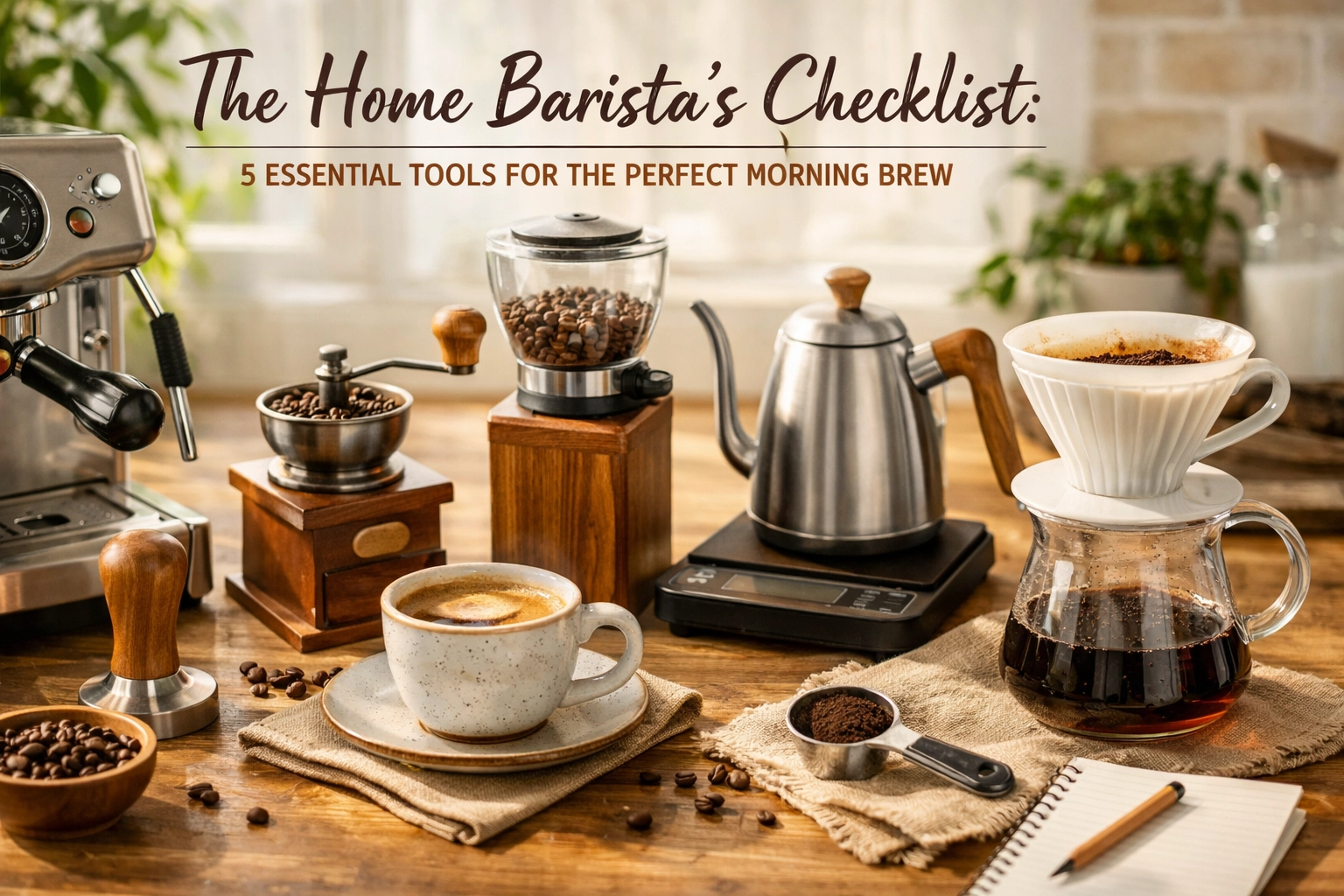
Look, we get it. Walking into a specialty coffee shop and seeing rows of equipment can be intimidating. There's the grinder making that satisfying whirr, the scales measuring to the tenth of a gram, the barista wielding a gooseneck kettle like a conductor's baton.
But here's the thing: creating exceptional coffee at home doesn't require a commercial setup or a second mortgage. What it does require is understanding which tools actually make a difference to your daily brew.
So let's cut through the noise. We've spent years working with home brewers and professional baristas alike, and we can tell you with absolute certainty that these five tools will transform your morning routine from "meh" to magnificent.
1. A Quality Burr Grinder (This Is Non-Negotiable)
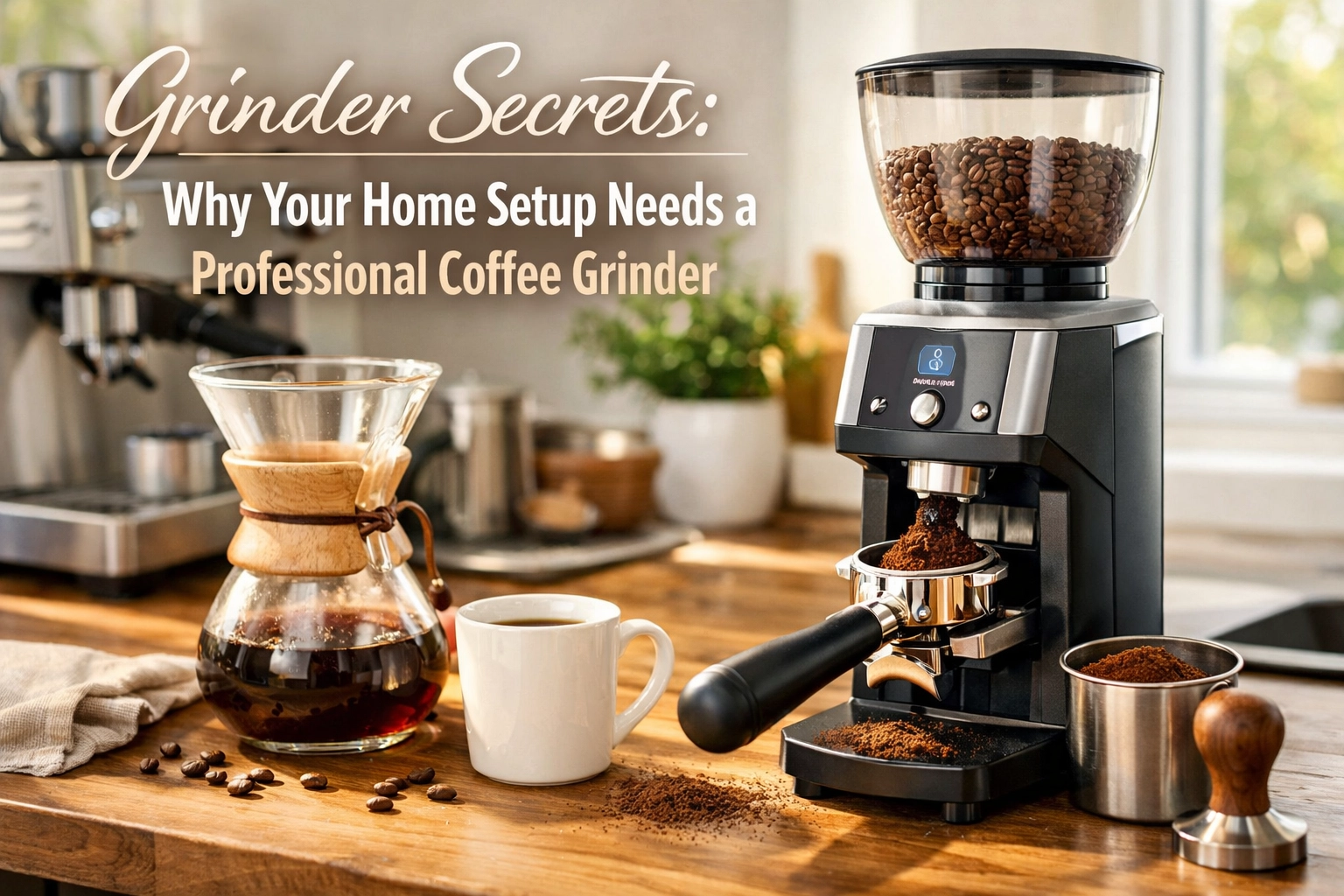
If you're going to invest in one thing, and we mean just one, make it a burr grinder.
Why? Because coffee starts losing its flavour the moment you grind it. Those pre-ground bags at the supermarket? They were ground weeks or even months ago. By the time they reach your cup, most of the aromatics and nuanced flavours have already escaped.
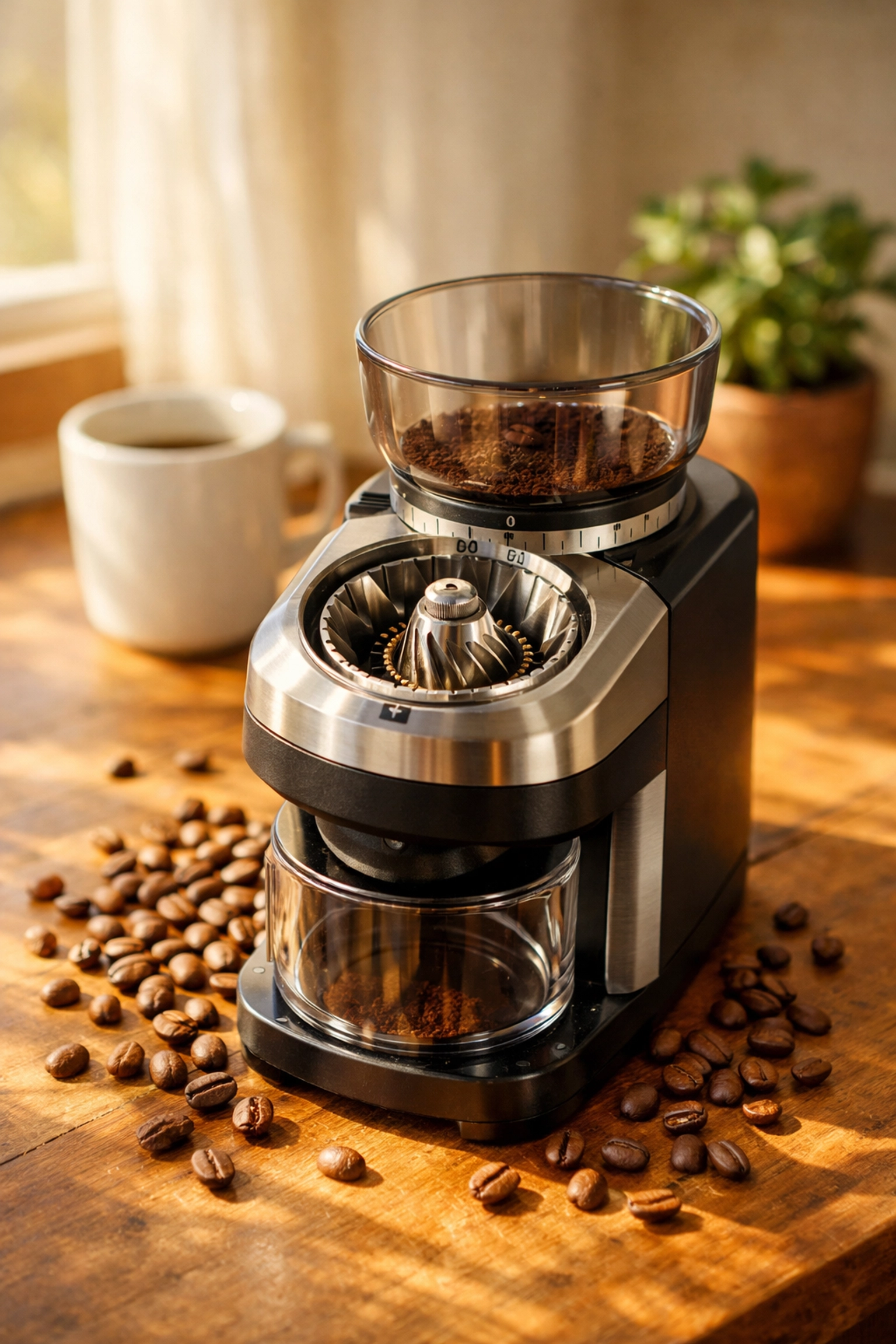
A burr grinder gives you freshly ground coffee every single time, which means you're capturing all those volatile compounds that make specialty coffee so brilliant. But here's where it gets important: not all grinders are created equal.
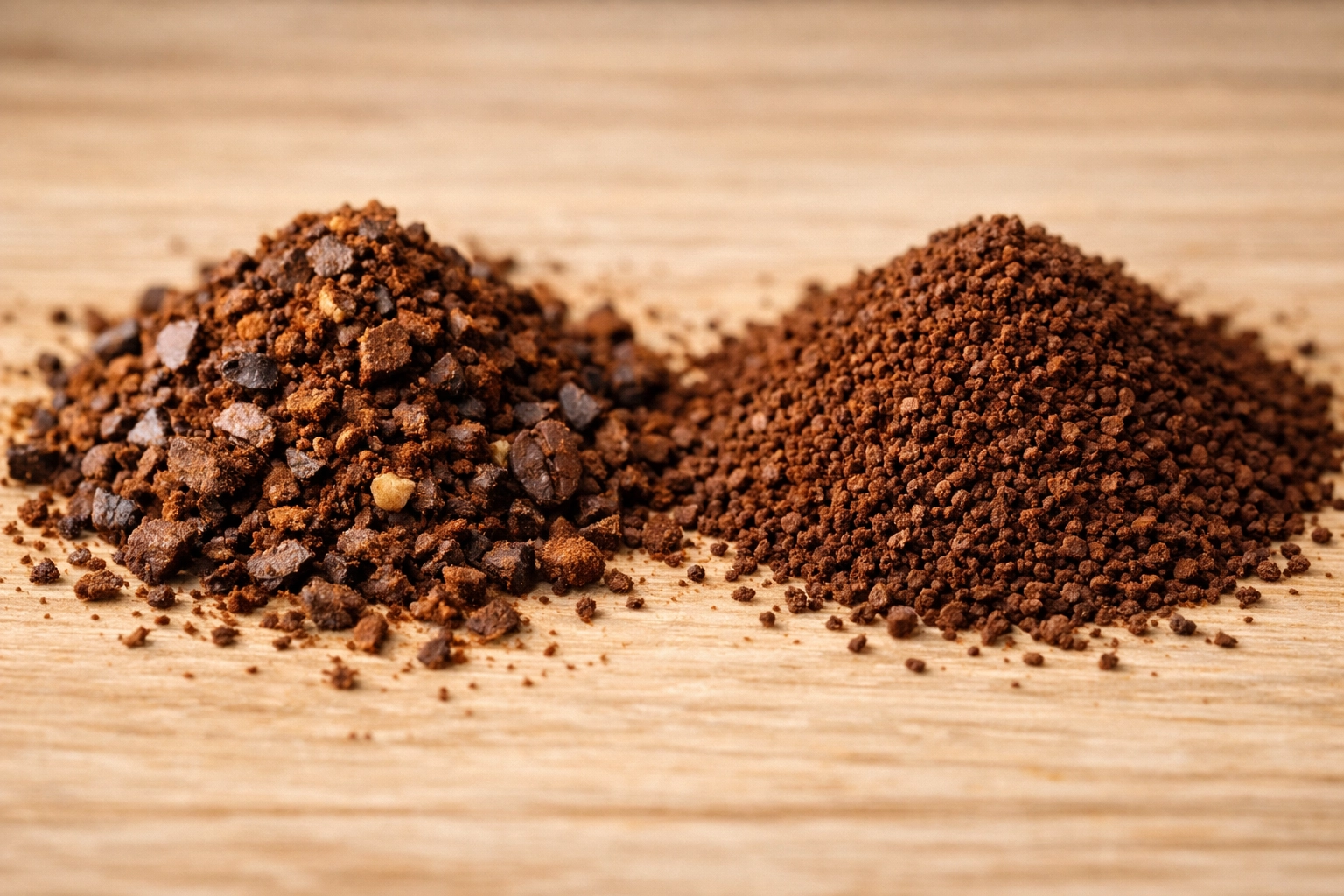
Blade grinders, the ones that look like miniature food processors, are cheap, but they produce wildly inconsistent particle sizes. You end up with boulders and dust in the same batch, which leads to uneven extraction. Some of your coffee is over-extracted and bitter, while other bits are under-extracted and sour.
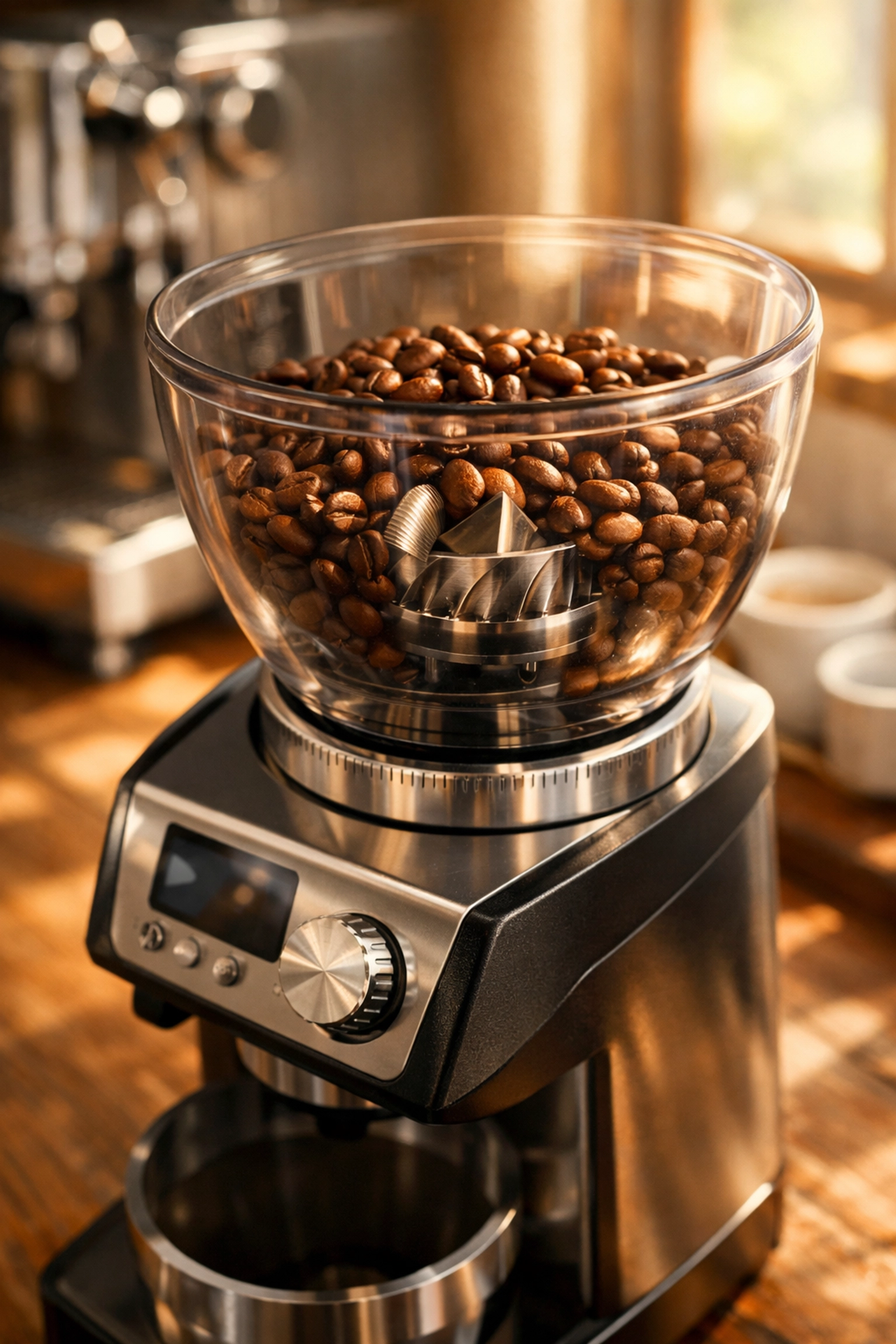
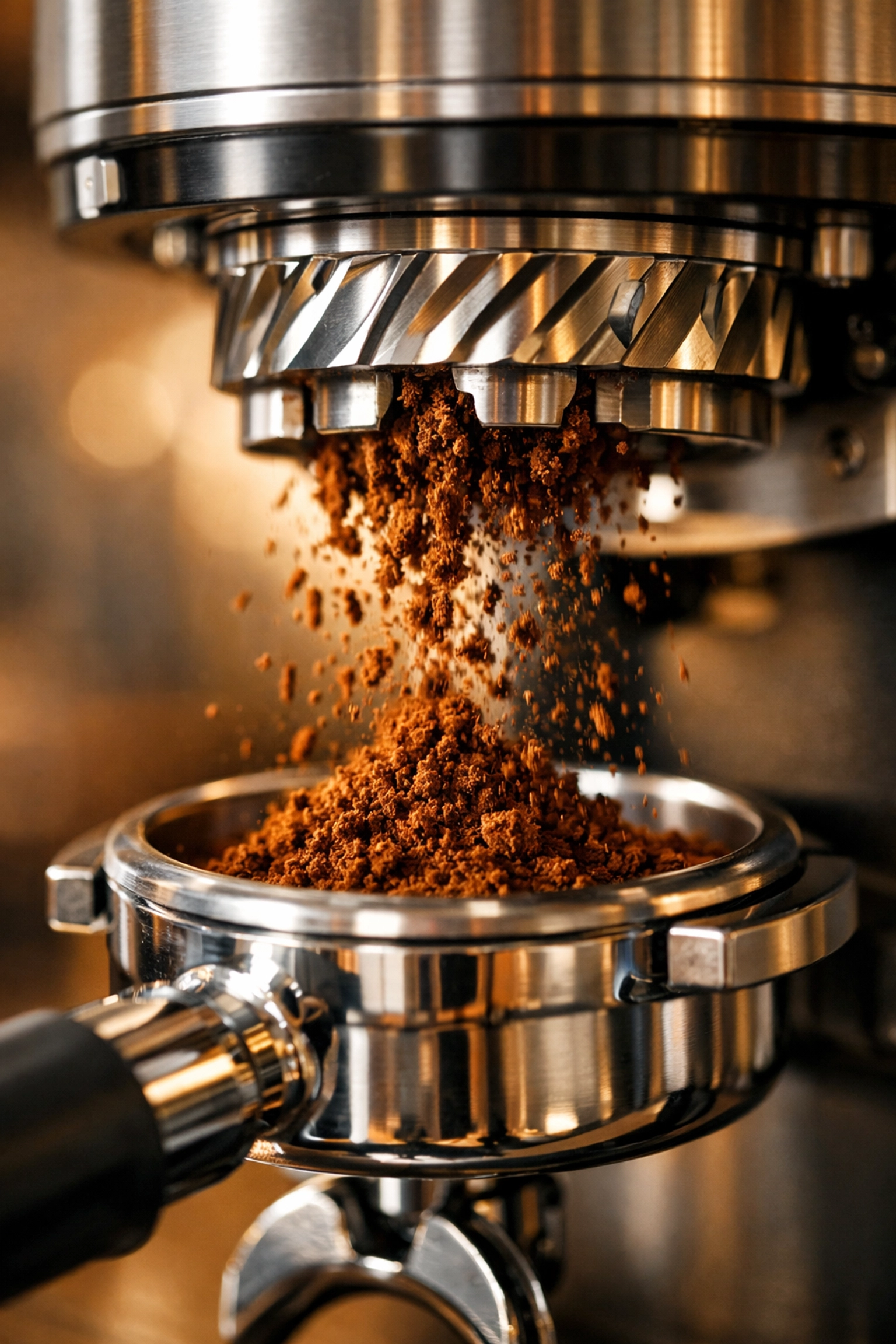
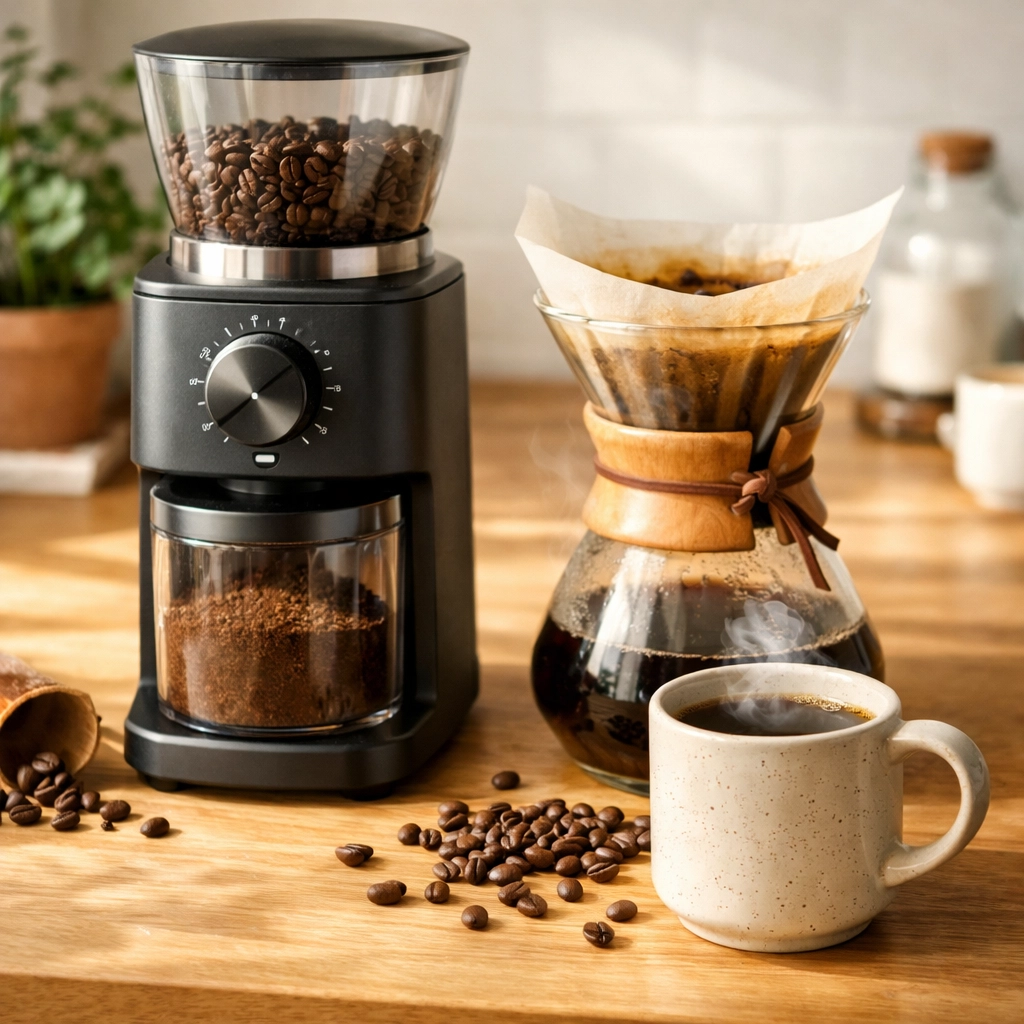
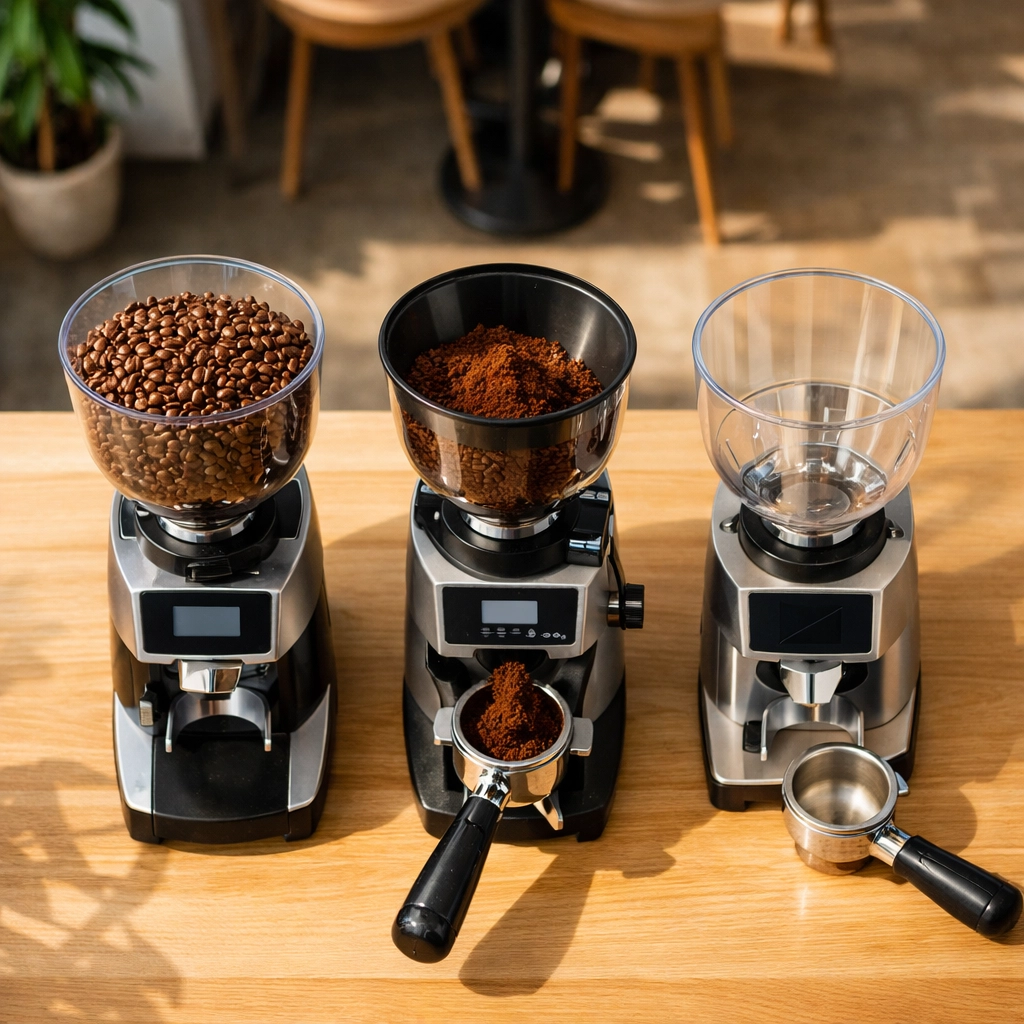
Burr grinders, on the other hand, crush coffee beans between two abrasive surfaces (the burrs) to create uniform particle sizes. This consistency is absolutely crucial for repeatable, delicious coffee. Whether you're brewing espresso, V60, or French press, a burr grinder will give you the control you need.
We recommend starting with a manual burr grinder if budget is a concern (they're surprisingly affordable), or investing in an electric burr grinder if you're brewing for multiple people daily. Either way, you'll taste the difference immediately.
2. Digital Scales (Your Secret Weapon for Consistency)
Want to know the difference between home brewers who make occasionally good coffee and those who nail it every single time?
Scales.
Seriously. A digital scale is perhaps the most underrated tool in home brewing. It costs less than a couple of bags of beans, but it transforms your coffee game entirely.
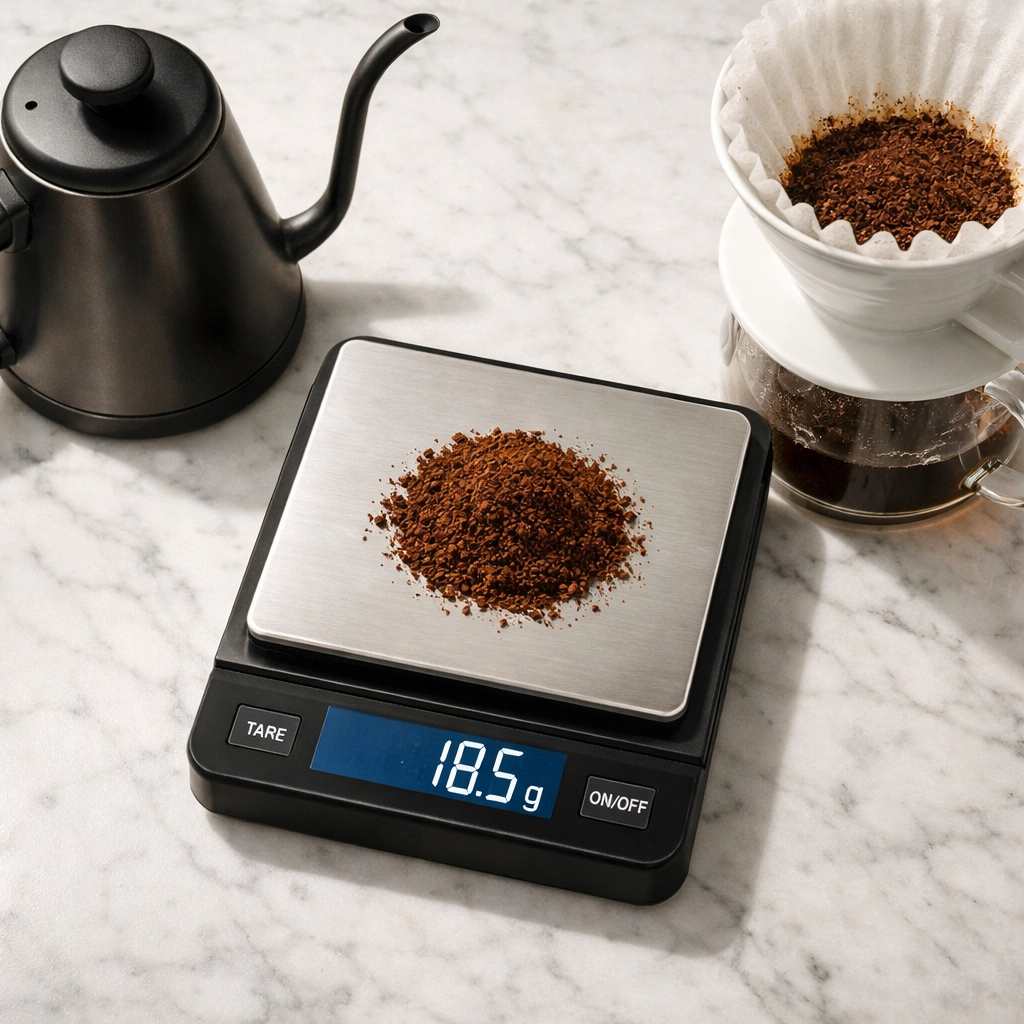
Here's why: coffee brewing is fundamentally about ratios. The ratio of coffee to water determines the strength and flavour of your cup. Measuring by scoops or eyeballing it might work some days, but you'll never achieve consistency. And consistency is what turns a morning routine into a reliable ritual.
With a scale, you can measure both your coffee dose and your water precisely. Most home brewers use a ratio somewhere between 1:15 and 1:17 (that's 1 gram of coffee to 15-17 grams of water). Once you dial in your perfect ratio, you can recreate that same delicious cup every morning.
Look for a scale that measures to 0.1g accuracy and has a timer function. The timer is brilliant for pour-over methods where you want to control your brewing time. Bonus points if it's water-resistant, coffee brewing can get splashy.
Pro tip: weigh your water rather than measuring with a jug. Water doesn't always measure accurately in volume, but weight never lies.
3. A Gooseneck Kettle (Precision Meets Elegance)
If you're brewing with a pour-over method like V60 or Chemex, a gooseneck kettle isn't just nice to have, it's essential.
The long, curved spout gives you complete control over your pour rate and placement. This matters more than you might think. When you're blooming your grounds or executing a controlled pour, you need to be able to direct water exactly where you want it, at the flow rate you want.
A regular kettle with a wide spout? That's like trying to draw with a paintbrush the size of a broom. Sure, you'll get water on the coffee, but you'll have zero finesse.
With a gooseneck kettle, you can pour slowly and steadily, saturating all your grounds evenly. This leads to better extraction and, ultimately, a more balanced cup.
Many gooseneck kettles now come with built-in thermometers or variable temperature settings, which is brilliant for dialing in your brew temperature. Different coffees and brewing methods work best at different temperatures (generally between 88°C and 96°C), and having that control available is genuinely useful.
Even if you're using an AeroPress or French press, a gooseneck kettle makes pouring easier and more elegant. There's something quietly satisfying about the ritual of a controlled pour.
4. A Reliable Brewer (Find Your Favorite)
Now we're getting to the fun part: choosing your brewing method.
The beauty here is that there's no single "best" brewer: it depends entirely on what kind of coffee you enjoy and how much time you want to spend on the process. We think every home setup should have at least one reliable brewer that matches your lifestyle.
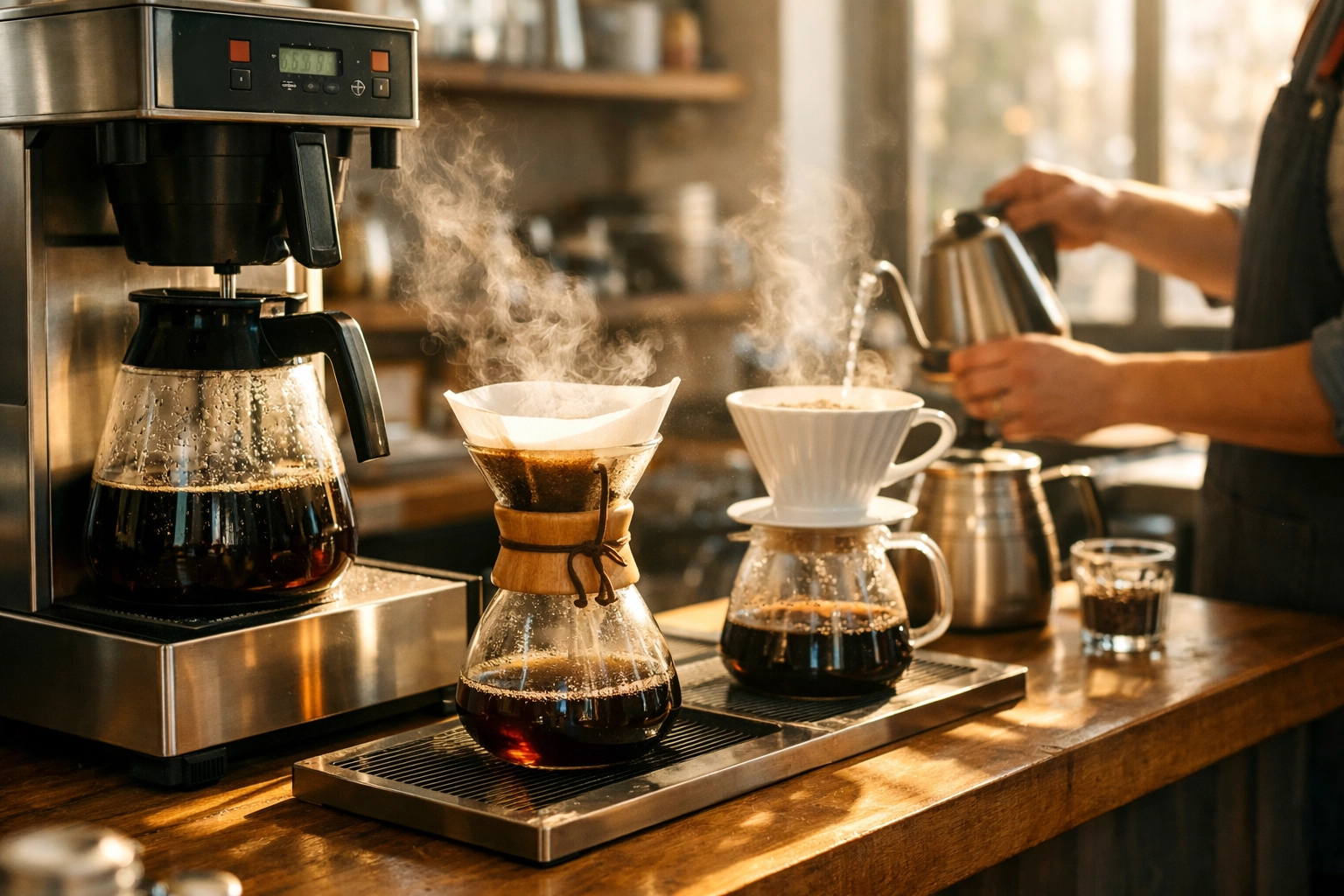
V60: This is the darling of the pour-over world. It's simple, affordable, and capable of producing absolutely stunning cups of coffee when you nail the technique. The conical shape and spiral ribs promote even extraction, and you have complete control over every variable. It does require practice and attention, but that's part of the appeal. The ritual becomes meditative.
AeroPress: If you want versatility and convenience, the AeroPress is tough to beat. It's forgiving, quick (total brew time under 2 minutes), and virtually indestructible. You can experiment with different techniques: standard, inverted, cold brew: and it travels brilliantly. We've seen baristas use AeroPress to make everything from espresso-style concentrates to clean, tea-like brews.
French Press: The classic. If you prefer a fuller-bodied coffee with more oils and texture, French press is your friend. It's dead simple to use, requires zero paper filters, and makes multiple cups at once. The immersion brewing method is very forgiving, making it ideal for lazy weekend mornings.
Chemex: For those who appreciate design as much as flavour, the Chemex offers both. The thick paper filters produce an exceptionally clean cup, and it looks gorgeous on your counter. Great for brewing larger quantities when you have guests.
Pick one that matches your morning vibe. You can always add more brewing methods to your arsenal later: many of us have a small collection because different coffees shine with different brewing methods.
5. Fresh, Specialty Coffee Beans (This Is Where the Magic Happens)
Here's the truth that no amount of fancy equipment can overcome: if your beans are stale or low-quality, your coffee will be disappointing. Full stop.
All those tools we've just discussed? They're designed to extract and highlight the flavours that already exist in your beans. If those beans are old, poorly roasted, or made from low-quality coffee, there's nothing to highlight.
This is where specialty coffee from roasters like Limini makes all the difference.
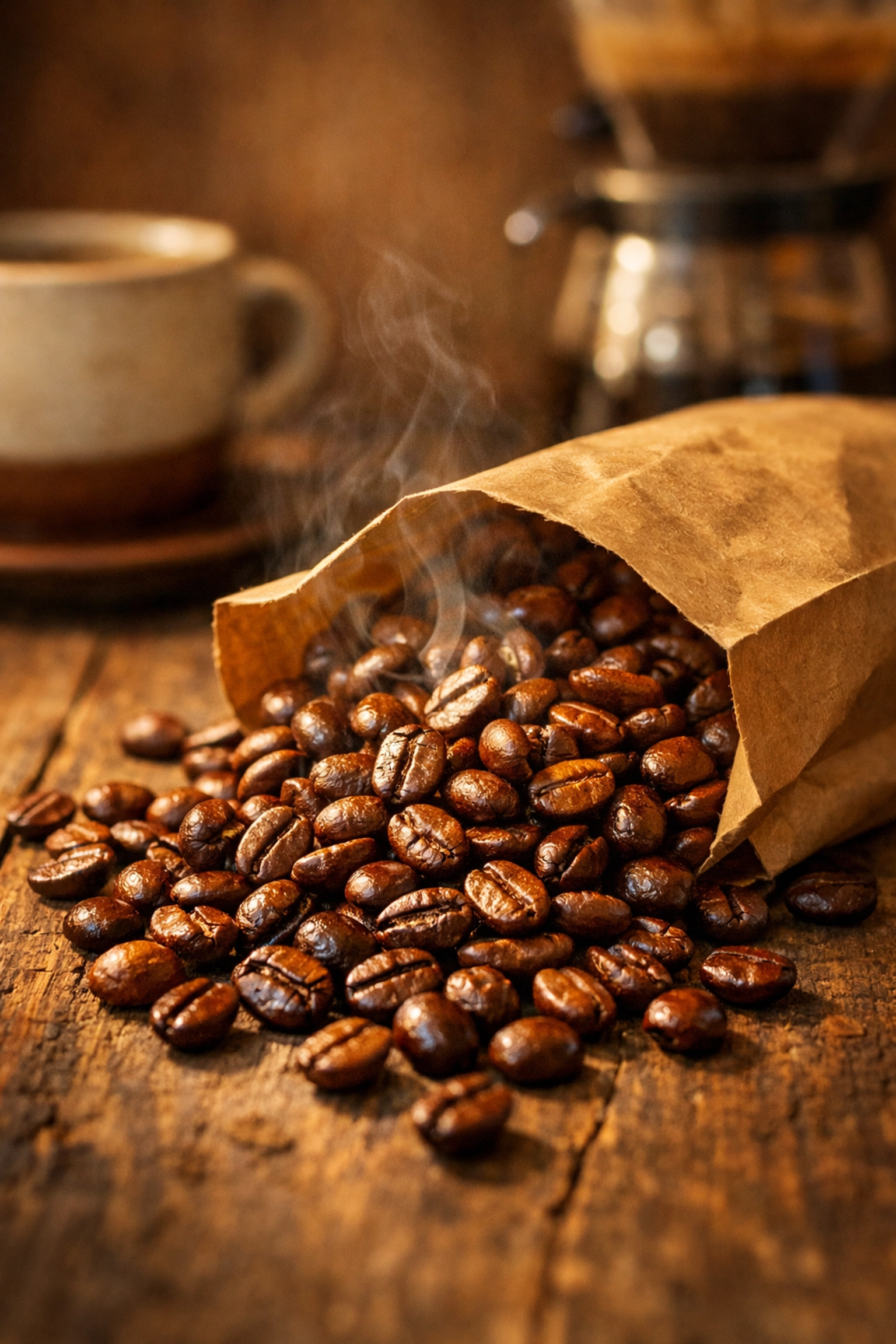
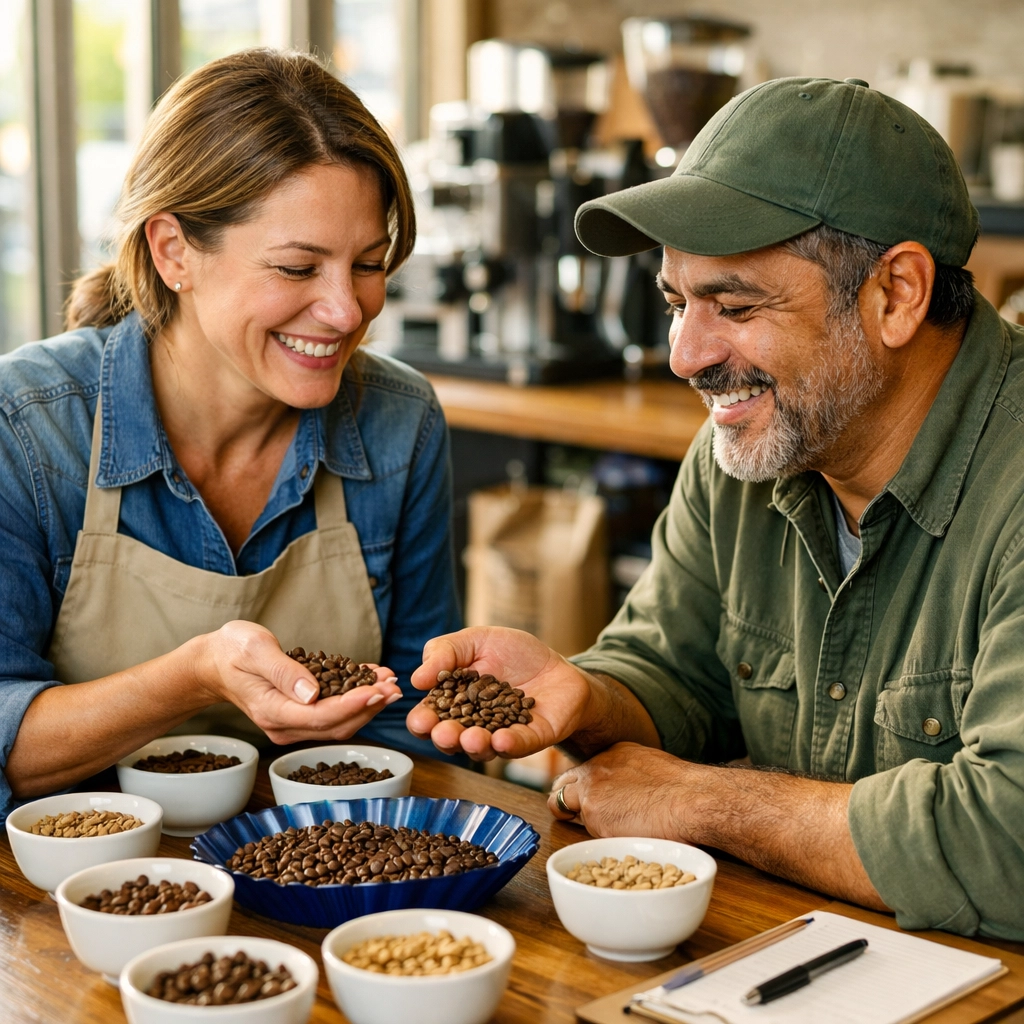
Specialty coffee means beans that have been carefully sourced, expertly roasted, and delivered fresh. We're talking about coffee that was roasted days or weeks ago, not months. When you open a bag of freshly roasted specialty beans, the aroma alone will tell you you're dealing with something special.
Freshly roasted beans are alive with flavour compounds: fruity, chocolatey, floral, nutty notes that change and develop over the first few weeks after roasting. This is what you're paying for when you choose specialty coffee, and honestly, it's transformative.
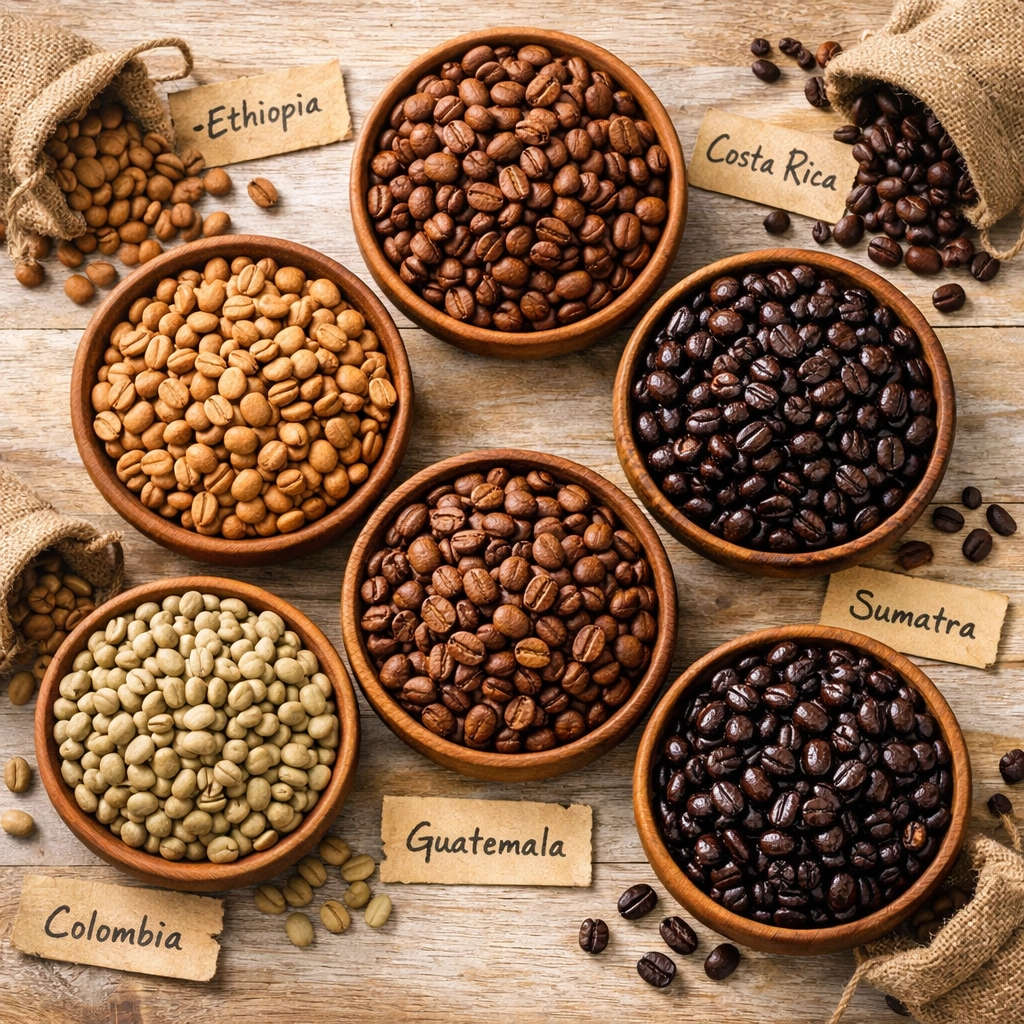
At Limini Coffee, we source our beans carefully and roast them in small batches to ensure they're at their peak when they reach you. Whether you're brewing a bright, fruity Ethiopian natural or a rich, chocolatey Brazilian, fresh beans from a quality roaster will elevate every cup.
Store your beans properly too: in an airtight container, away from light and heat. Don't freeze them (despite what your uncle insists), and buy in quantities you'll use within 3-4 weeks of roasting.
Bringing It All Together
So there you have it: the five essential tools that will genuinely transform your home brewing game.
Start with the burr grinder and scales: these two alone will make the biggest immediate impact on your coffee quality. Add a gooseneck kettle when you're ready to explore pour-over methods, choose a brewer that matches your lifestyle, and most importantly, source fresh specialty beans from roasters who care about quality.
The beauty of building your home barista setup gradually is that you learn as you go. Each tool teaches you something new about coffee and how different variables affect the final cup. Before long, you'll be brewing coffee that rivals your favorite café: and you'll understand exactly why it tastes so good.
That's the real magic. It's not just about the tools; it's about the knowledge and confidence that comes with using them consistently. And honestly? That's what makes the morning ritual so satisfying.