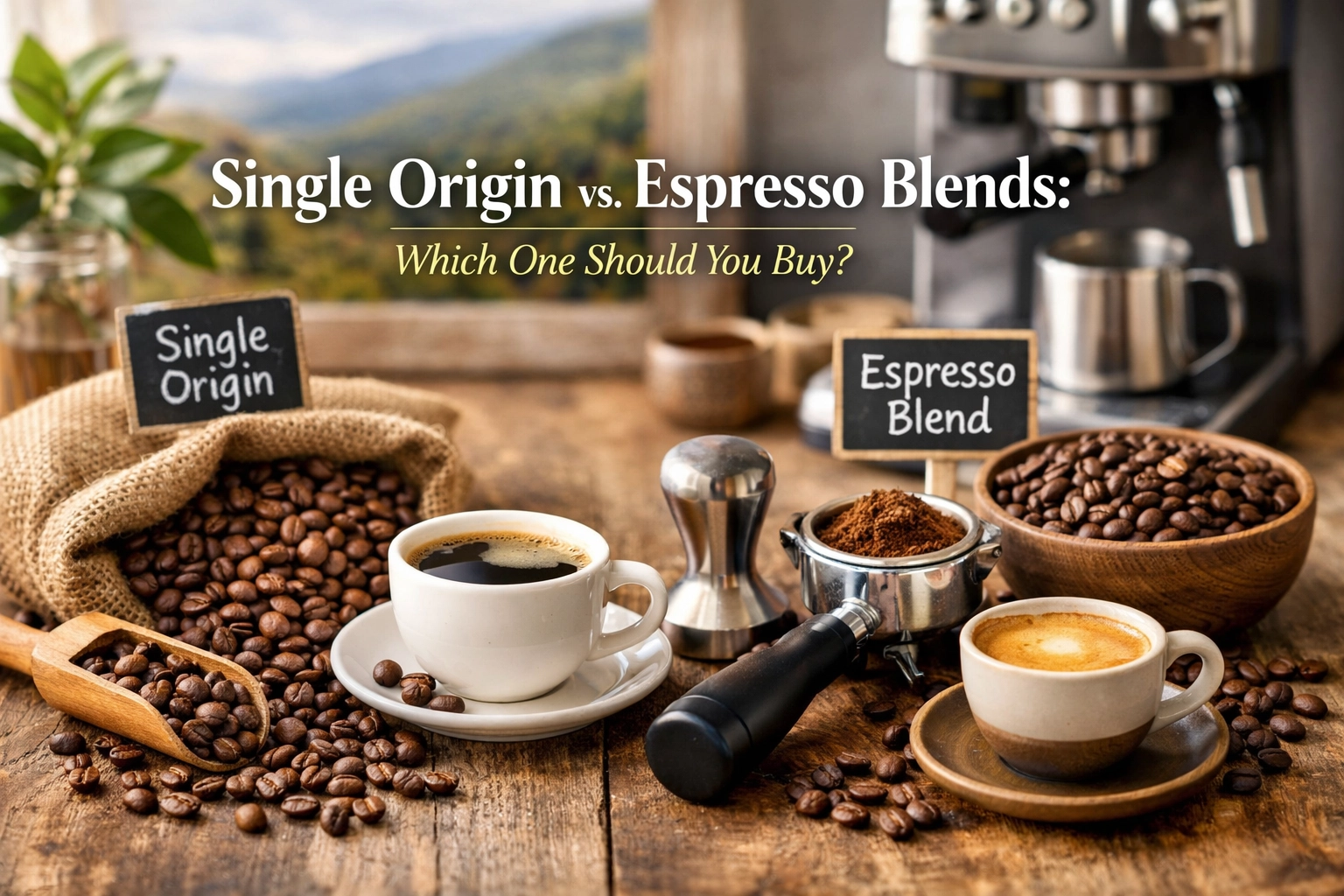
You're standing in front of your coffee roaster's website (or maybe ours), scrolling through the options, and suddenly you're faced with a choice that feels bigger than it should: single origin or espresso blend?
It's a question we get asked constantly. And honestly? There's no single "right" answer. But there is a right answer for you – and it depends on how you brew, what you taste for, and what kind of coffee experience you're chasing at home.
Let's break it down without the pretension. We're going to walk through what these terms actually mean, how they taste, and most importantly, which one deserves a spot in your kitchen.
What Exactly Is Single Origin Coffee?
Single origin coffee is exactly what it sounds like: beans sourced from one specific place. That could be a single farm, a particular region, or even one specific lot within a farm.
Think of it like wine. When you drink a Rioja, you're tasting Spain. When you drink a single origin Ethiopian coffee, you're tasting Ethiopia – the soil, the altitude, the climate, the processing method, all of it.
These coffees are transparent. They tell a story. Colombian single origins might give you chocolate and fruity notes. A Kenyan coffee? Expect bright acidity, blackcurrant, sometimes a tomato-like sweetness that sounds weird but works beautifully. Mexican beans tend toward chocolate and nutty profiles.
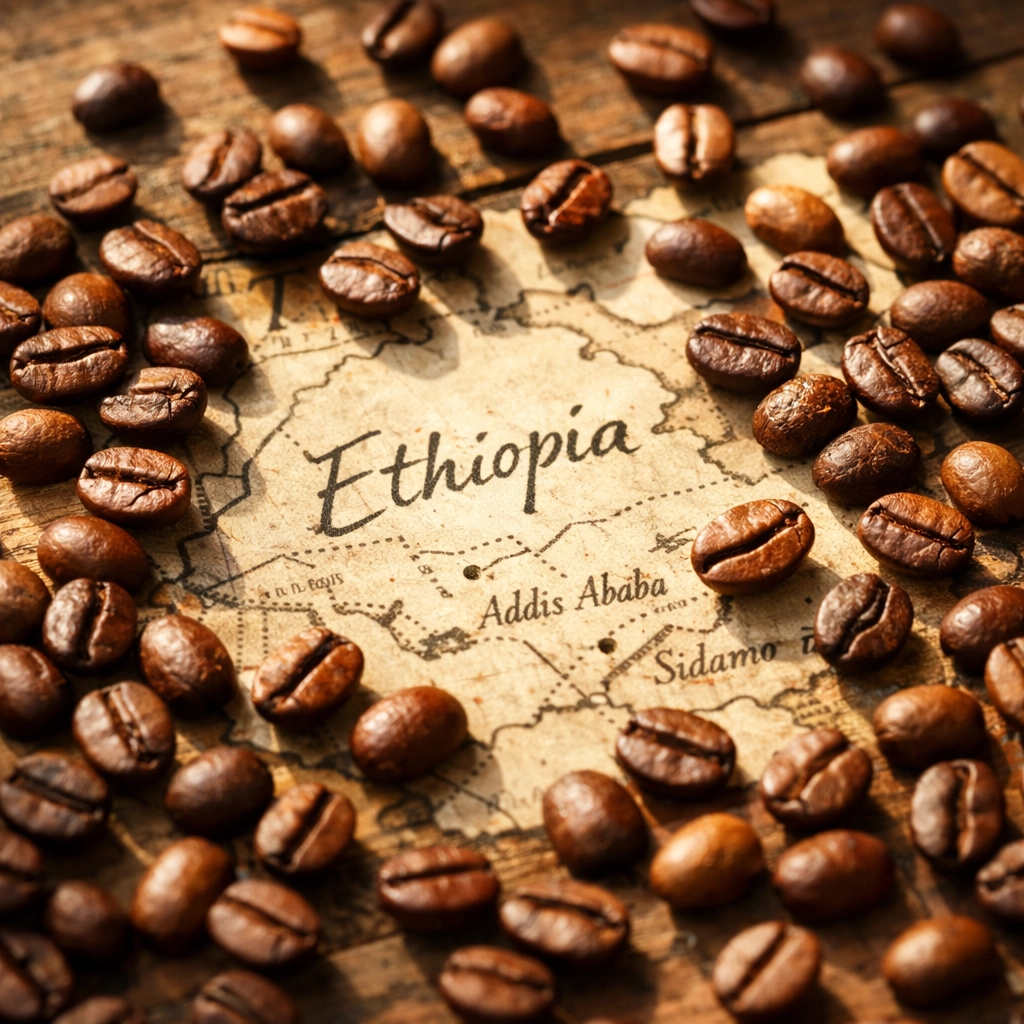
Single origin coffees are essentially unfiltered expressions of their environment. And that's both their strength and their quirk.
So What's an Espresso Blend Then?
Espresso blends are the blended whisky of the coffee world – crafted, consistent, and designed with a purpose.
A roaster takes beans from different origins and combines them to create a specific flavor profile. We might blend a Brazilian base for body and sweetness, add some Colombian for balance, and throw in a bit of Ethiopian for brightness and complexity. The goal? A coffee that's greater than the sum of its parts.
Blends are engineered for consistency and versatility. They're meant to perform well across different brewing methods, hold up under pressure (literally, in the case of espresso), and taste reliably good whether it's January or July.
They're also more forgiving. While single origins can be temperamental – demanding precise temperatures, grind sizes, and techniques – blends are built to be more flexible.
The Flavor Showdown: Brightness vs. Balance
Here's where things get interesting.
Single origin coffees are brighter and more complex. They tend to have distinct, pronounced characteristics. Floral notes. Citrus acidity. Stone fruit sweetness. These aren't marketing buzzwords – when you brew a natural-process Ethiopian Yirgacheffe, you genuinely get blueberry and jasmine notes that make you do a double-take.
But here's the thing: that complexity can also mean unpredictability. Single origins are seasonal. Climate variations, harvest timing, processing differences – they all affect the cup. The same farm's coffee can taste noticeably different year to year, or even lot to lot.
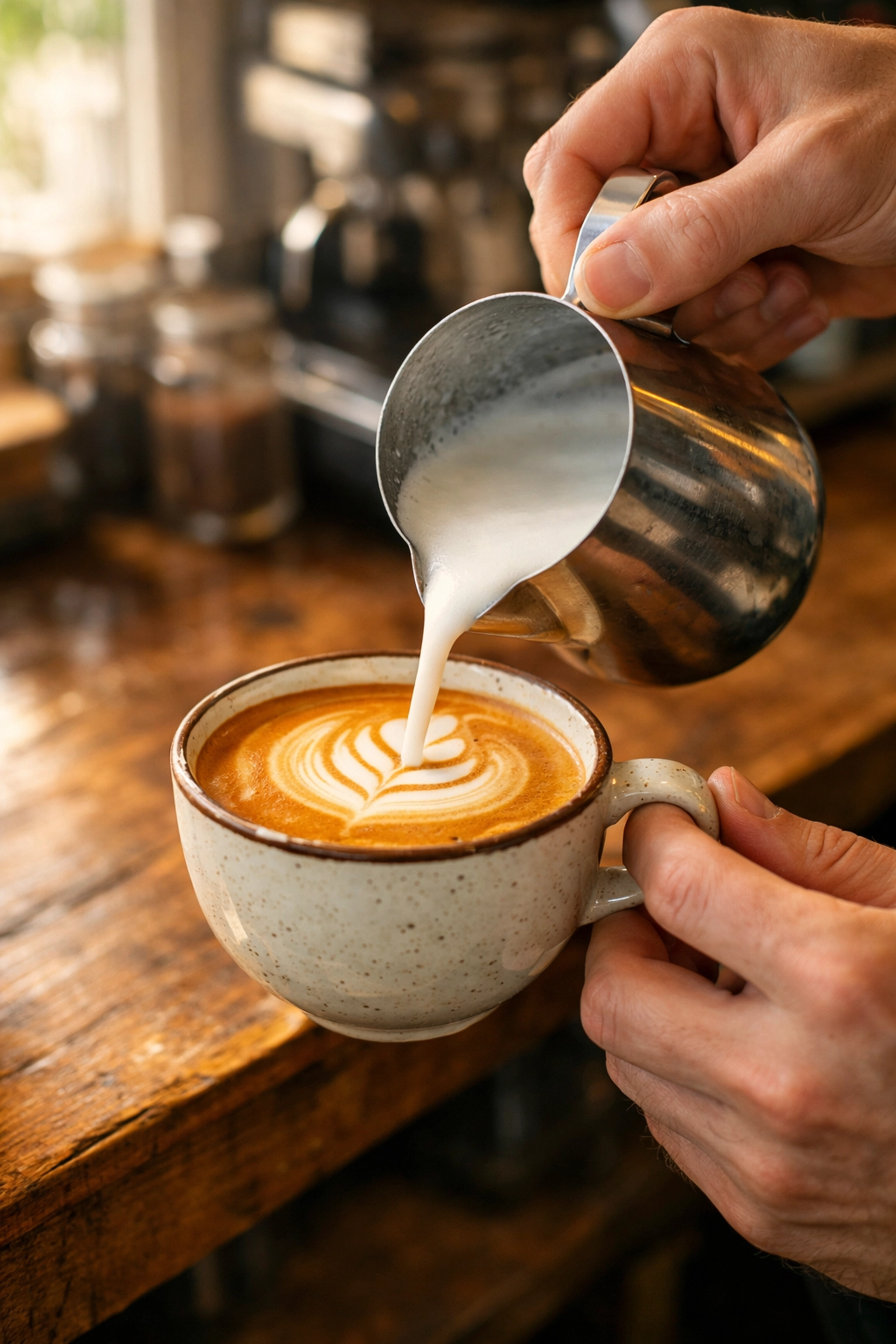
Espresso blends, on the other hand, are balanced and homogenous. Think chocolate, caramel, toasted nuts, gentle sweetness. They're designed to be crowd-pleasers – coffees that taste reliably delicious without demanding your full attention.
Blends maintain consistent flavor year-round because they combine beans from multiple sources. If one origin's harvest is lighter or more acidic than usual, the roaster can adjust the blend ratios to compensate. This means you get the same comforting cup every time.
We believe both have their place. It's not about one being "better" – it's about what you're after in that moment.
Brewing Method Matters More Than You Think
This is where the decision becomes clearer.
For pour-over, drip, Aeropress, or French press? Single origins absolutely shine. These gentler brewing methods allow all those delicate, nuanced flavors to express themselves fully. The brightness doesn't get overwhelming. The complexity becomes the whole point.
When you're doing a slow, mindful pour-over on a Sunday morning, you want that Ethiopian coffee to taste like bergamot and berries. You want to explore it. That's the entire experience.
For espresso machines and milk-based drinks? Blends are traditionally the better call – and there's solid reasoning behind it.
When you pull espresso, you're forcing hot water through finely-ground coffee at high pressure. This concentrated extraction process intensifies everything. Those bright, acidic notes in single origins? They can become sharp, even sour. That delicate floral character? It might get lost or turn harsh.
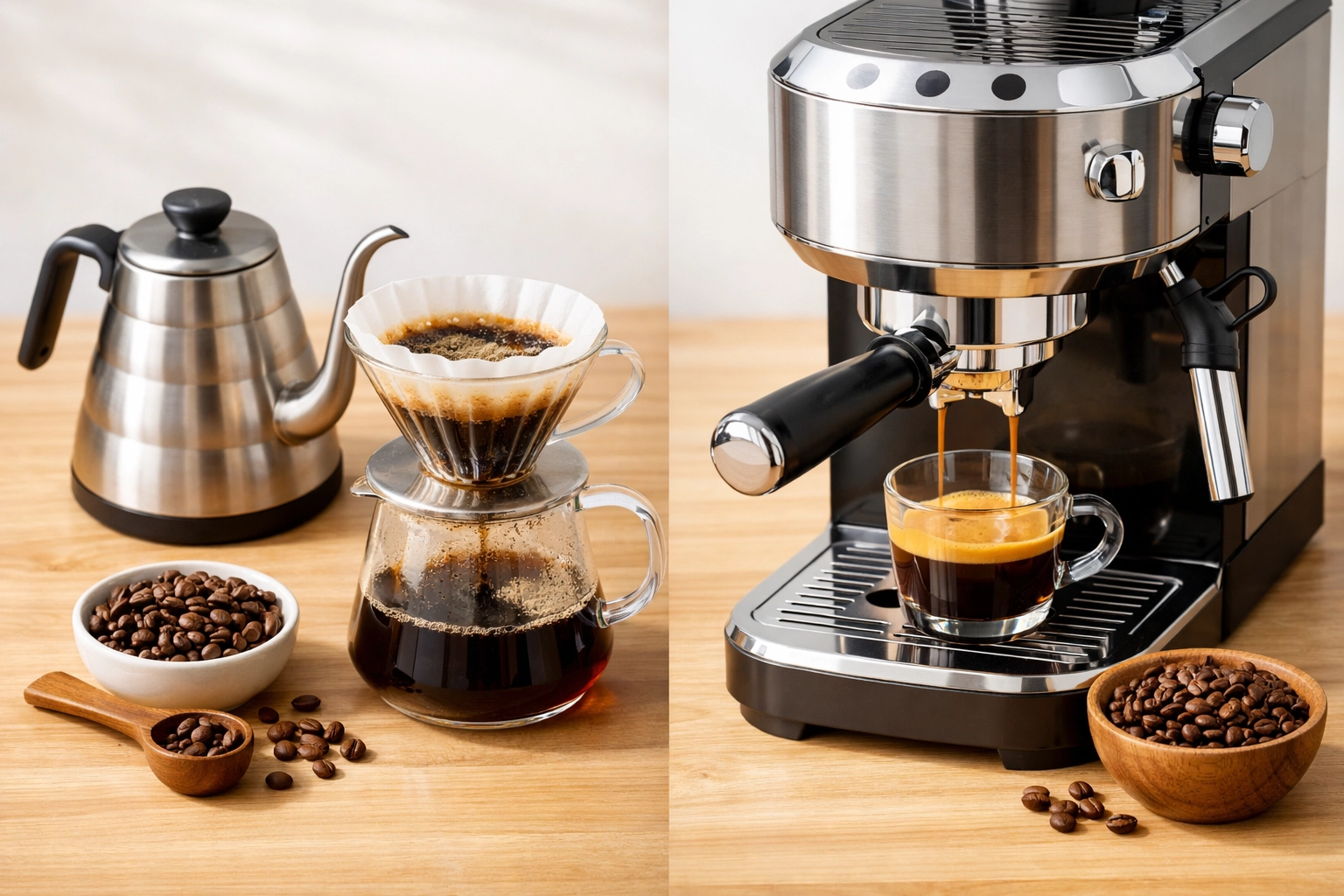
Espresso blends are specifically formulated to handle this intensity. They're designed to produce that thick, syrupy body. That sweet, lingering finish. That crema on top that tells you everything went right.
And when you add milk? Blends really prove their worth. They create a foundation that complements steamed milk without getting buried by it. You still taste coffee in your flat white, not just sweet milk.
So. If you're primarily making lattes, cappuccinos, or straight espresso shots at home, an espresso blend is going to give you more consistent, satisfying results with less fussing about.
The Consistency Question
Let's talk about something practical: day-to-day reliability.
Single origin coffees are seasonal performers. They're harvested once (or sometimes twice) a year. When a roaster runs out of that specific lot, it's gone. The next batch – even from the same farm – might taste different. Climate change, rainfall patterns, processing experiments… it all shows up in the cup.
This is exciting if you love variety and discovery. It's less exciting if you've found your perfect morning coffee and want it to taste the same every time.
Espresso blends sidestep this entirely. Because they draw from multiple origins and often multiple harvest cycles, roasters can maintain a consistent profile year-round. The blend you buy in February will taste essentially identical to the one you buy in August.
For many home brewers, especially those who drink coffee daily rather than as a special ritual, this consistency is valuable. You know what you're getting. Your dialing-in process stays the same. There are no surprises when you're bleary-eyed at 6:30 AM.
What About Single Origin Espresso?
We should address this because it's become trendy: pulling single origin coffees as espresso.
It absolutely can be done. Many specialty roasters (ourselves included) offer single origins specifically developed for espresso. But – and this is important – these require more careful roasting and often more precise brewing technique.
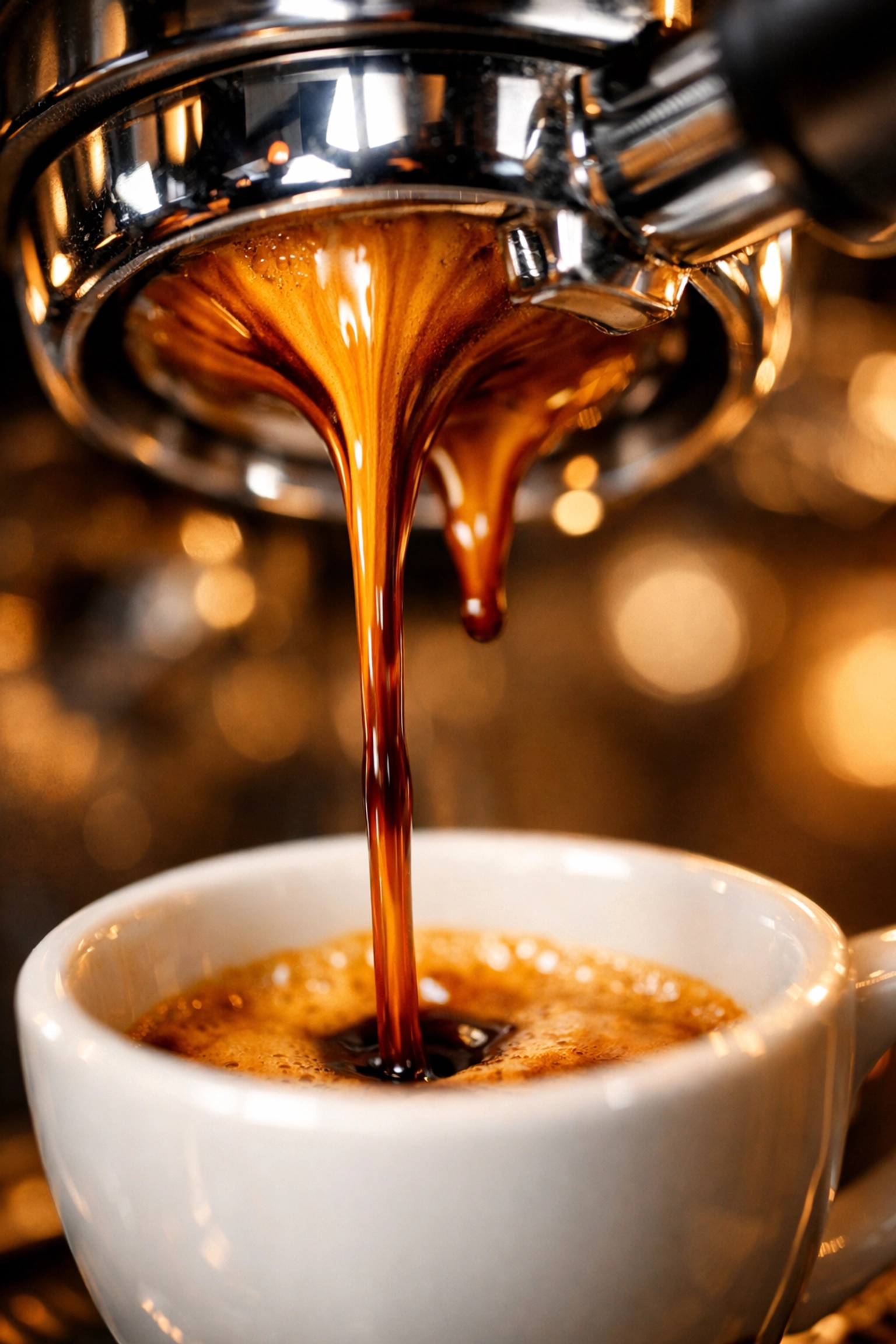
Single origin espresso can be incredible when it works. You get clarity and origin character in concentrated form. A naturally-processed Ethiopian pulled as espresso might give you explosive berry sweetness and wine-like complexity.
But it's also less forgiving. Small changes in grind size, temperature, or extraction time have bigger impacts. The coffee might perform beautifully one day and taste harsh the next. For experienced home baristas who enjoy the challenge? Fantastic. For everyone else? It can be frustrating.
So Which Should You Actually Buy?
Let's make this practical.
Choose single origin if you:
- Brew primarily with pour-over, filter, Aeropress, or French press methods
- Enjoy exploring different flavor profiles and regional characteristics
- Want to learn about coffee origins and processing methods
- Appreciate seasonality and variety in your coffee routine
- Drink coffee as a tasting experience, not just caffeine delivery
Choose espresso blends if you:
- Make espresso or milk-based drinks most mornings
- Prefer balanced, approachable flavors without sharp acidity
- Want reliable, consistent results without much experimentation
- Value convenience and predictability in your daily routine
- Tend to drink multiple cups throughout the day
Honestly? Most home coffee lovers benefit from having both.
Keep an espresso blend as your daily driver – the reliable friend who always shows up consistent and delicious. Then grab single origins to explore on weekends or when you want to slow down and actually taste what you're drinking.
Where to Start
If you're looking to explore both categories, we'd recommend starting with coffees that showcase what each does best.
For single origins, look for naturally-processed Ethiopians or washed Kenyans – these really demonstrate what origin transparency is all about. For blends, find something described as balanced or classic, ideally with chocolate and nutty notes.
You can explore our full range of both single origins and carefully crafted espresso blends right here – we roast everything fresh to order, so whether you're chasing complexity or consistency, you're getting beans at their peak.
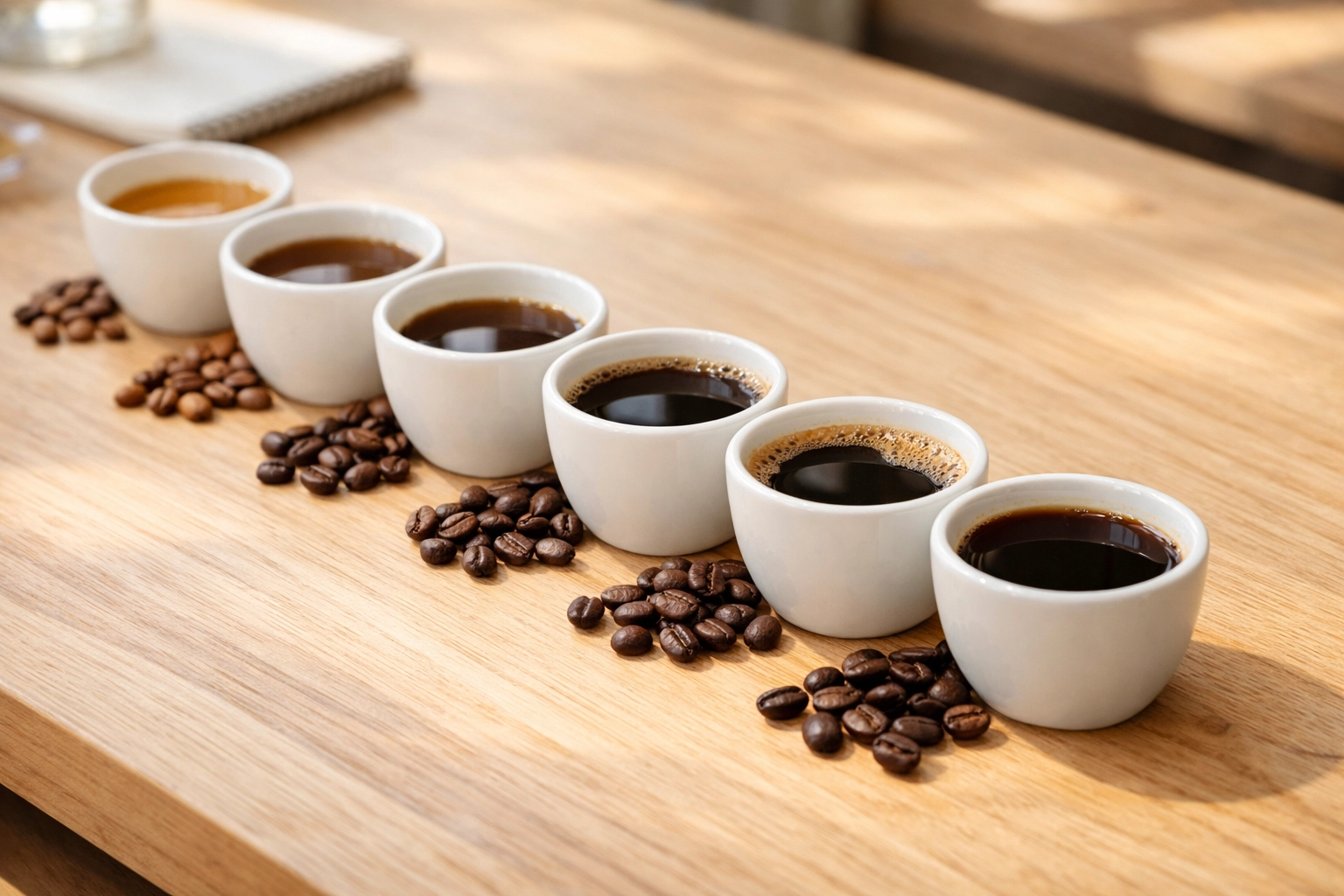
The beautiful thing about specialty coffee in 2026? You don't actually have to choose one forever. Your brewing method might change. Your palate will definitely develop. What tastes "too bright" to you now might become your favorite profile in six months.
Coffee is personal. There's no wrong answer here – only what works for your setup, your taste, and your morning routine. Start with what sounds appealing, pay attention to what you enjoy, and let that guide you.
That's the beauty of coffee. It meets you where you are.
Leave a Reply