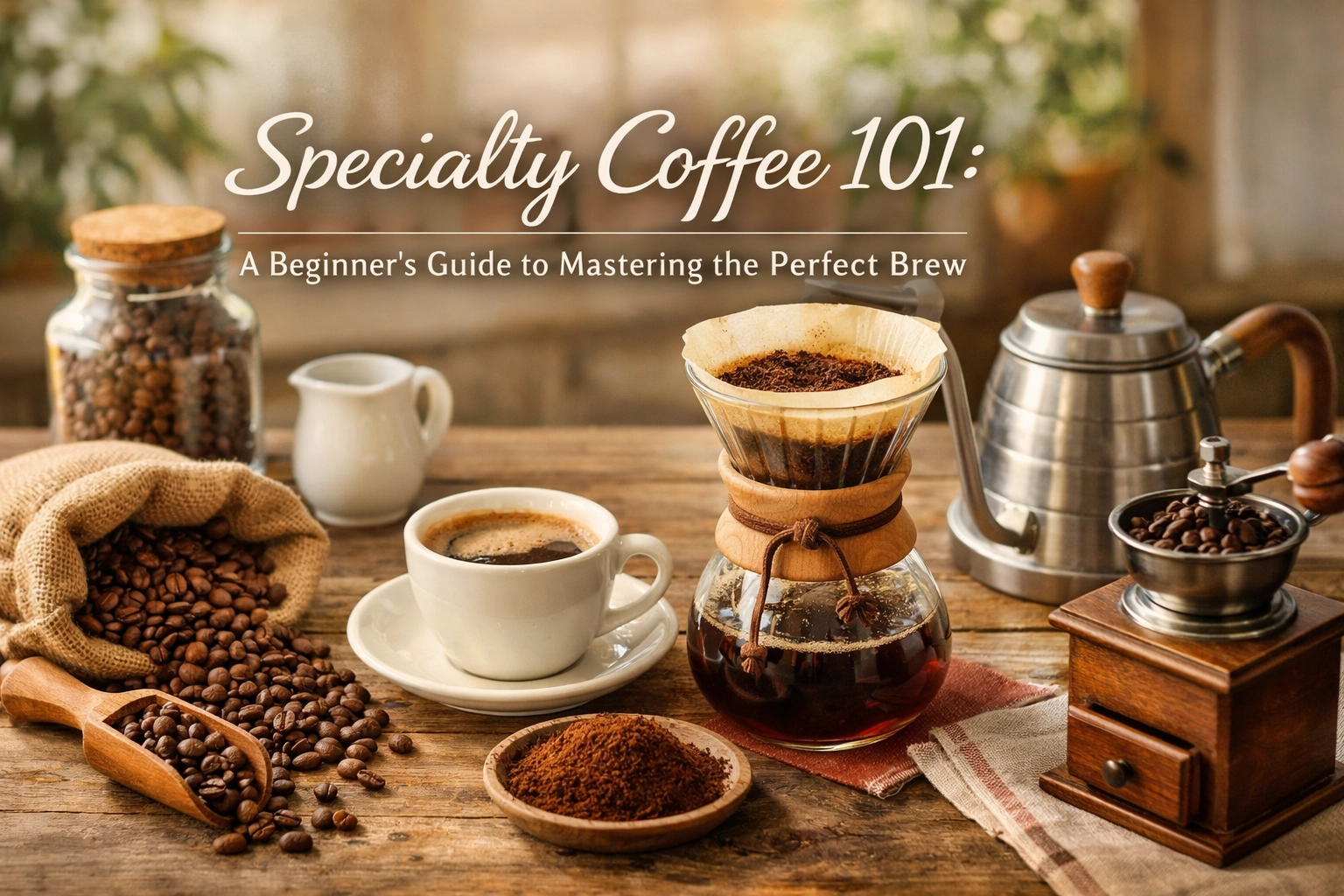
So, you’ve decided to step into the world of specialty coffee? Welcome to the rabbit hole. It’s a deep, aromatic, and sometimes slightly obsessive place to be, but we promise the view (and the taste) from here is significantly better than that jar of instant gathering dust in the back of your cupboard.
For most of us, coffee starts as a caffeine delivery system: a bitter, hot liquid we drown in milk and sugar just to make it through a Tuesday morning. But specialty coffee? That’s an entirely different beast. It’s about clarity, terroir, and a level of craftsmanship that turns a simple morning ritual into a genuine experience.
At Limini Coffee, we live and breathe this stuff. We spend our days roasting, tasting, and obsessing over variables so you don't have to: though, to be honest, once you start, you probably won't be able to stop.
What Exactly is "Specialty" Coffee?
You’ll see the word "specialty" thrown around a lot these days, often by big chains trying to look a bit more "boutique." But in our world, specialty has a very specific, technical meaning.
The Specialty Coffee Association (SCA) uses a 100-point scale to grade coffee beans. To earn the title of "Specialty," a coffee must score 80 points or higher. Anything below that is considered "commodity" coffee: the kind of stuff that ends up in supermarket blends or those giant tins of pre-ground brown dust.
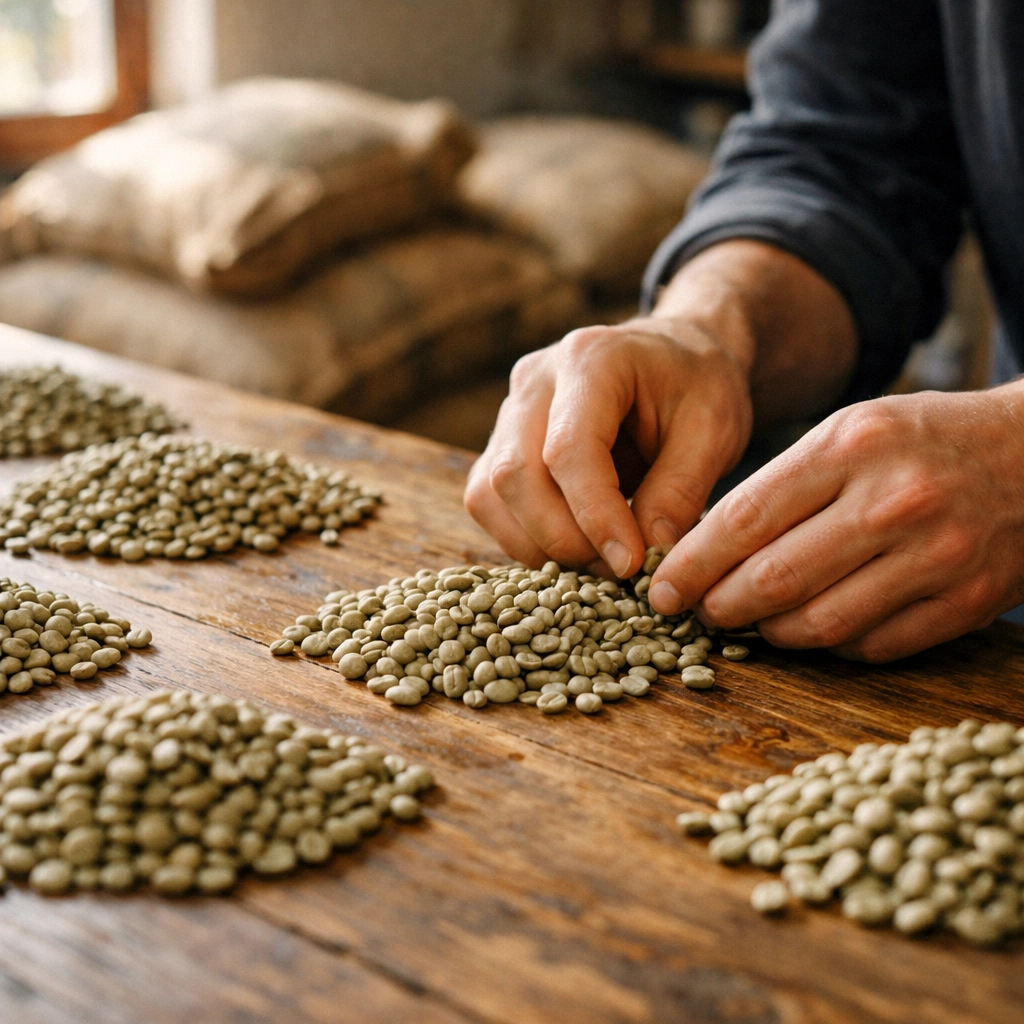
So, why does the score matter? Because it represents quality at every single step of the journey. We’re talking about farmers who hand-pick only the ripest red cherries, careful processing to prevent defects, and meticulous sourcing to ensure we’re bringing you the best possible harvest. It’s the difference between a mass-produced table wine and a fine single-vineyard vintage.
It Starts with the Bean (and the Roast)
If you’ve spent any time looking at our shop, you’ve probably noticed two main categories: Blends and Single Origins.
Single Origin coffees come from one specific place: a single farm, a specific region, or even a tiny "micro-lot" within a farm. These are for the explorers. When you drink a single origin from Ethiopia, you might taste blueberries and jasmine. A Brazilian single origin, on the other hand, might remind you of peanut butter and milk chocolate.
Blends are where we get to be mad scientists. We take different beans and combine them to create a specific flavor profile that is consistent and balanced. These are usually the go-to for espresso because they play so well with milk.
But the beans are only half the story. The roast is where the magic (and the science) happens.
The Roast Profile Spectrum
- Light Roasts: These are pulled out of the roaster just before or shortly after the "first crack." They preserve the most "origin character": the flavors inherent to the soil and climate where the coffee grew. Expect high acidity, tea-like bodies, and floral notes.
- Medium Roasts: This is the sweet spot for many. It balances the natural acidity of the bean with a bit of "roastiness." You get more body and sweetness, like caramel or toasted nuts.
- Dark Roasts: These are roasted longer, often until oils appear on the surface. While some commercial brands use dark roasting to hide low-quality beans, a specialty dark roast should still be sweet and bold, not burnt and ashy.
The Golden Rules of Home Brewing
You’ve got the bag of fresh Limini Coffee beans in your hand. Now what? You can have the most expensive beans in the world, but if your brewing technique is off, you’re going to end up with a disappointing cup.
Here are the variables we think are most important for mastering the brew at home.
1. Freshness is Everything
Coffee is a fresh agricultural product. Once it’s roasted, it starts to lose its volatile aromatic compounds. This is why we always recommend buying whole beans and grinding them right before you brew. If you buy pre-ground coffee, the surface area is so high that it goes stale within hours. Trust us, a decent burr grinder is the best investment you’ll ever make.
2. The Water Factor
Coffee is roughly 98% water. If your tap water tastes like a swimming pool or is incredibly hard (full of minerals), your coffee will taste flat or metallic. We suggest using a simple water filter jug. It makes a massive difference to the clarity of flavor.
Also, watch your temperature! Never use boiling water straight off the kettle (100 °C / 212 °F). It can "scorch" the coffee, leading to an unpleasant bitterness. We find the sweet spot is usually between 91 °C and 94 °C (195 °F to 202 °F).
3. The Ratio
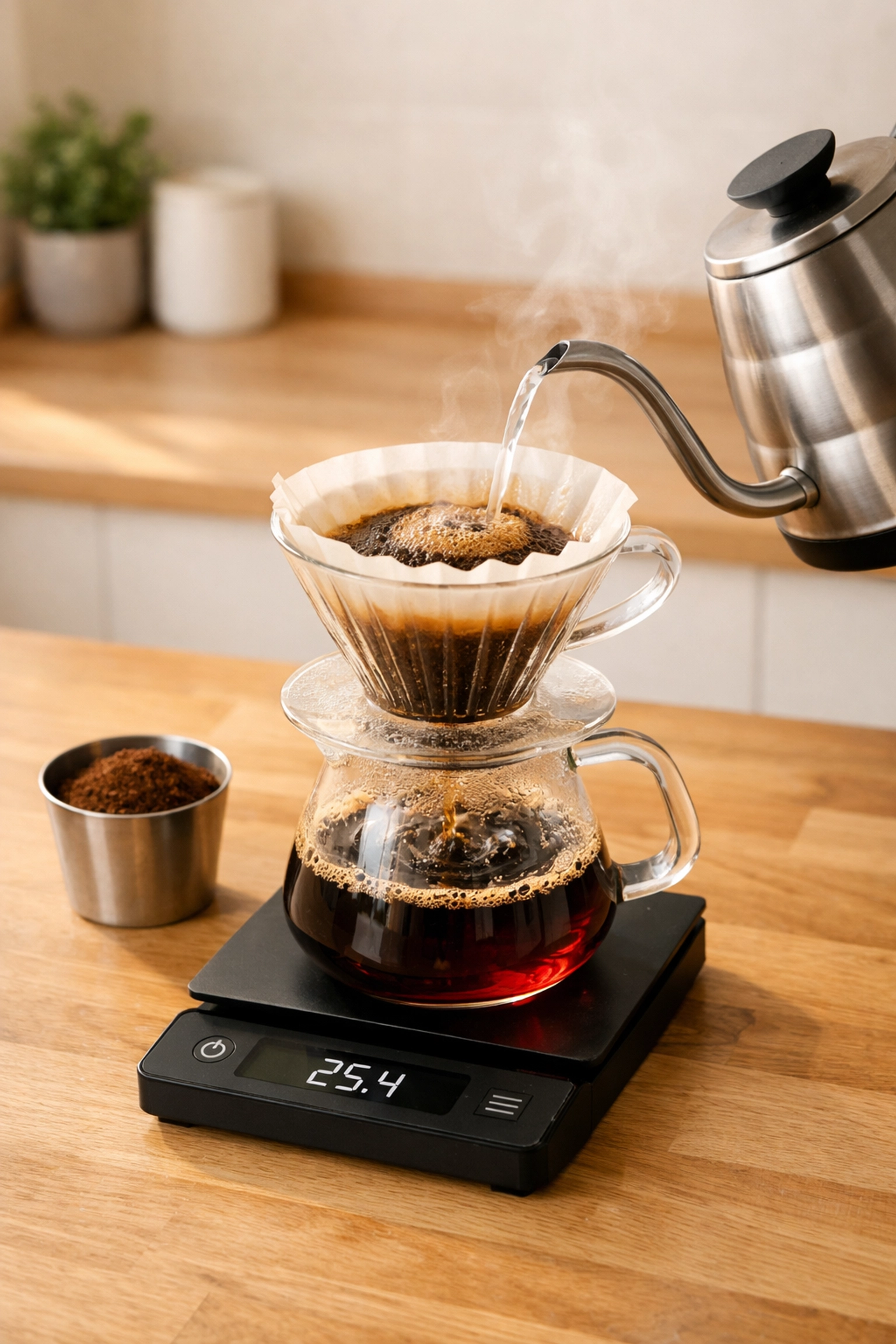
Stop "eyeballing" your coffee scoops. To get a consistent brew, you need to use a scale. A standard starting point is the 1:16 ratio: 1 gram of coffee for every 16 grams of water. If you want to get technical (and we love technical), check out our coffee brewing calculator to dial in your recipe perfectly.
Choosing Your Method
There is no "best" way to make coffee, only the way that suits your palate and your morning routine.
The Pour Over (V60, Chemex)
If you love clarity and want to taste those delicate floral or fruity notes in a single-origin coffee, this is for you. It uses a paper filter to remove most of the oils and fine particles, resulting in a clean, crisp cup. It requires a bit of technique (and a gooseneck kettle helps), but the results are incredibly rewarding.
The French Press (Cafetière)
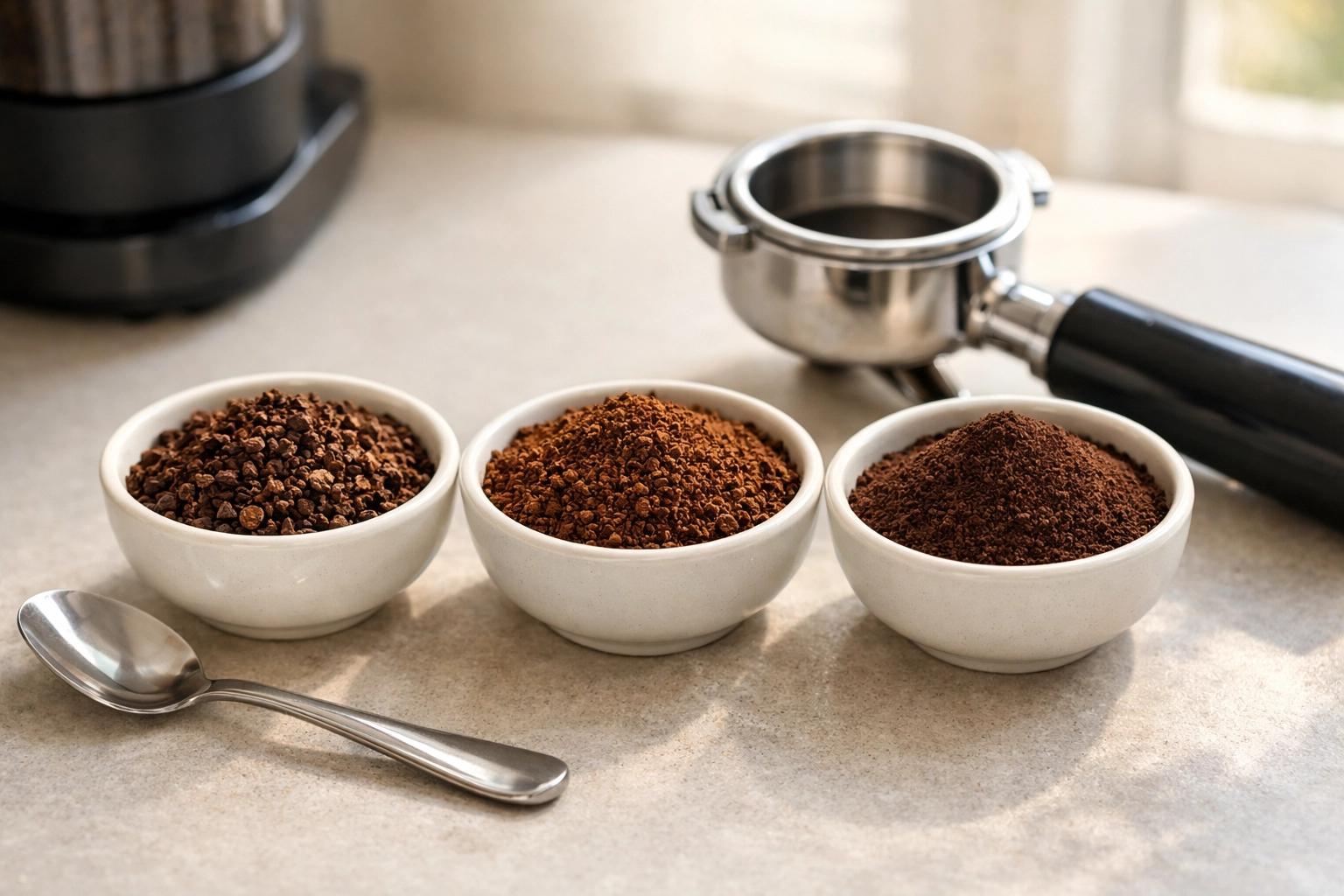
The classic immersion brewer. It’s simple, reliable, and produces a heavy, textured body because the metal mesh filter lets all those delicious oils through. If you like your coffee "strong" and "bold," this is your best friend. Just make sure you use a coarse grind: if it’s too fine, it’ll be a muddy mess.
Espresso
The final boss of coffee brewing. Espresso requires pressure (usually 9 BAR) to force water through a very fine puck of coffee. It’s concentrated, intense, and forms that beautiful golden layer on top known as crema. If you're looking to dive into the world of home espresso, you’ll need to put some thought into choosing espresso equipment. It’s an investment, but having a cafe-quality flat white in your pyjamas? Priceless.
Understanding the "Dial-In" Process
When you start brewing specialty coffee, you’ll likely encounter two problems: your coffee is too sour, or it's too bitter. This is where "dialing in" comes in. It’s all about extraction: how much of the coffee flavor you’re pulling out of the grounds.
- Under-extracted (Sour/Salty): The water didn't stay in contact with the coffee long enough, or the grind was too coarse. It tastes sharp and unpleasant.
- Over-extracted (Bitter/Dry): The water took too much out of the coffee. This happens if the grind is too fine or the water is too hot. It leaves a drying sensation on your tongue.
Basically, if it’s sour, grind finer. If it’s bitter, grind coarser. It’s a simple rule, but it’s the key to unlocking the "sweet spot" where the coffee tastes balanced and delicious.
The Joy of the Sensory Experience
Once you’ve brewed your cup, don't just gulp it down! Take a second. Specialty coffee is meant to be tasted.
Start with the Aroma. What do you smell? Is it nutty? Fruity? Like dark chocolate? Then, take a sip and think about the Acidity. In specialty coffee, acidity isn't a bad thing: it's brightness. Think of the difference between a dull red apple and a crisp green one.
Next, consider the Body (or mouthfeel). Is it thin like tea, or creamy like whole milk? Finally, the Finish. Does the flavor disappear immediately, or does a pleasant sweetness linger on your palate?
If you’re really serious about improving your palate, you might even consider some barista training. We love teaching people how to spot these nuances!
Why We Do What We Do
At the end of the day, coffee is about connection. It’s about the connection between the farmer in Colombia and the person sitting at their kitchen table in Yorkshire. Our job at Limini Coffee is to make sure that the hard work of the farmer isn't lost in the roasting process, and your job is to make sure it isn't lost in the brewing process.
It might seem like a lot of information at first, but don't let it intimidate you. The "perfect" cup is whichever one you enjoy the most. Whether you’re looking for a high-end espresso machine or just a bag of fresh beans to kickstart your morning, we’re here to help.
Ready to start your journey? Grab a bag of our latest roast at Limini Coffee and start experimenting. We promise your mornings will never be the same.
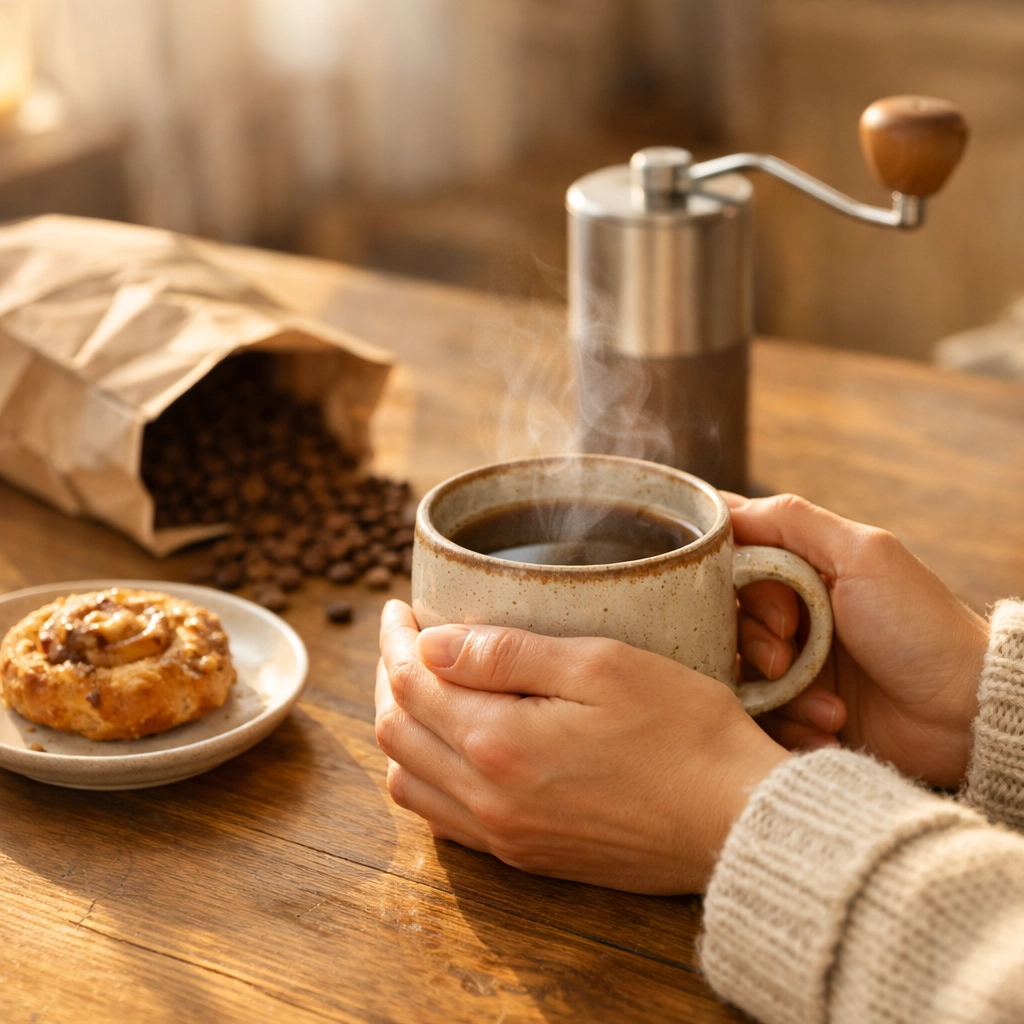
Happy brewing! Whether you're chasing the perfect crema or trying to master the art of the latte, remember that the best part of coffee is the process itself. Take your time, enjoy the smells, and most importantly, enjoy the drink.
If you ever find yourself stuck or wondering why your shots are pulling a bit weird, don't hesitate to reach out. We’ve spent years looking after espresso machines and training baristas, and we love nothing more than talking shop.
Now, go put the kettle on. You’ve earned it.
Leave a Reply