Ever picked up a bag of coffee and wondered what "single origin" actually means? You're not alone. Walk into any specialty coffee shop and you'll see these words splashed across bags and menu boards, but the term can feel a bit mysterious if you're just starting your coffee journey.
Here's the simple truth: single origin coffee means all the beans in your bag come from one specific place. That could be a single farm, a particular region, or even one country. Unlike blends that mix beans from multiple locations, single origin coffee gives you a pure, unadulterated taste of where those beans were grown.
And that's where things get really interesting.
What Makes Single Origin Different from Blends?
Think of it this way: blends are like a greatest hits album, carefully curated to create a consistent, balanced flavor. Single origin coffee? That's more like a live solo performance: raw, unique, and completely reflective of its environment.
Blends are created by roasters who combine beans from different origins to achieve a specific flavor profile. This approach has real advantages. Blends maintain consistency year-round, they're usually more affordable, and they're brilliant for espresso because roasters can balance acidity, body, and sweetness.
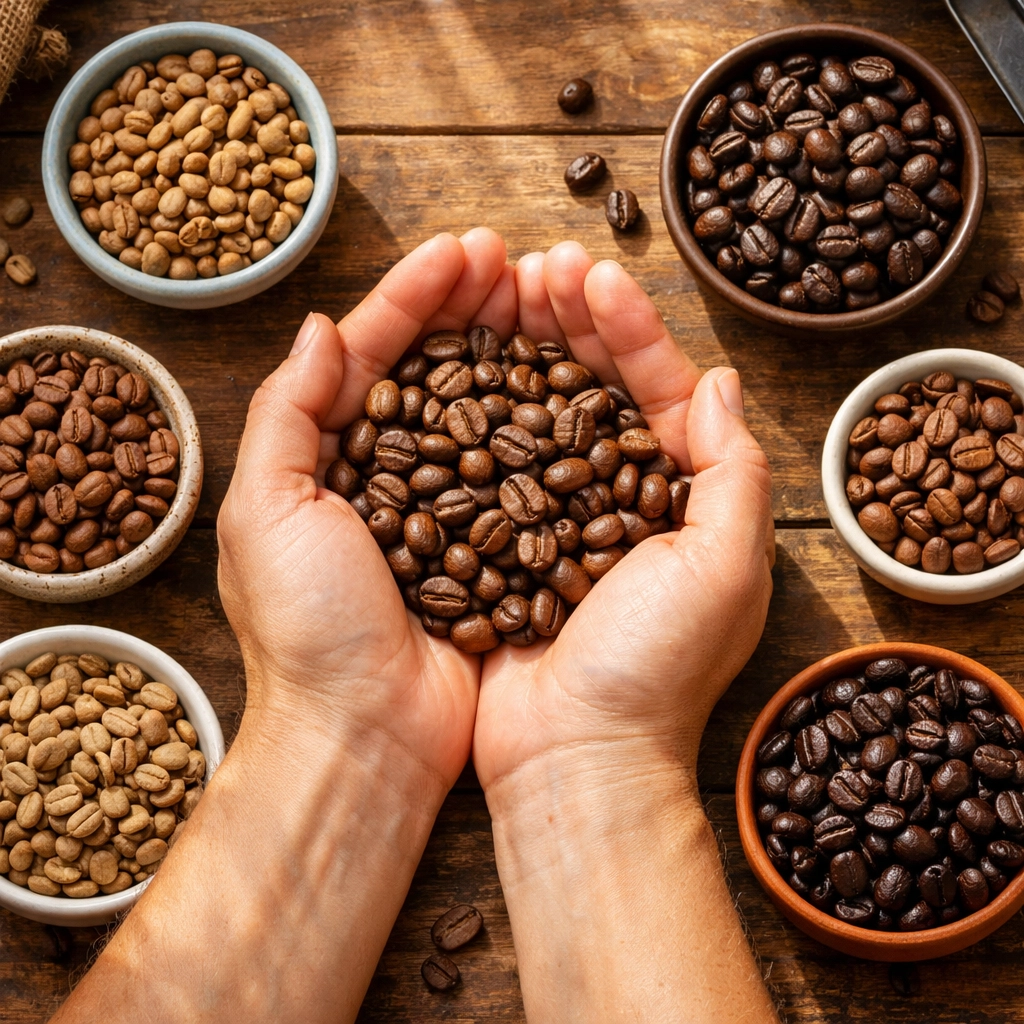
Single origin coffee takes a different approach entirely. These beans showcase the distinct characteristics of their birthplace: the altitude, soil composition, climate, and local farming practices all leave their fingerprints on the flavor. This means you get remarkable clarity and complexity in your cup, but it also means the taste can vary from season to season based on growing conditions.
The other big difference? Traceability. With single origin coffee, you can often trace your beans back to a specific farm or cooperative, sometimes even down to the exact lot where they were grown. You'll see details on the bag like "Ethiopia, Yirgacheffe, Kochere Washing Station." Blends, by contrast, usually offer minimal origin information beyond perhaps "South American blend" or "Italian style."
A World of Flavors: Regional Profiles
This is where single origin coffee becomes addictive for enthusiasts. Different regions produce wildly different flavors, and tasting coffee from around the world is genuinely one of the most fascinating sensory experiences you can have without leaving your kitchen.
East Africa: Bright and Fruity
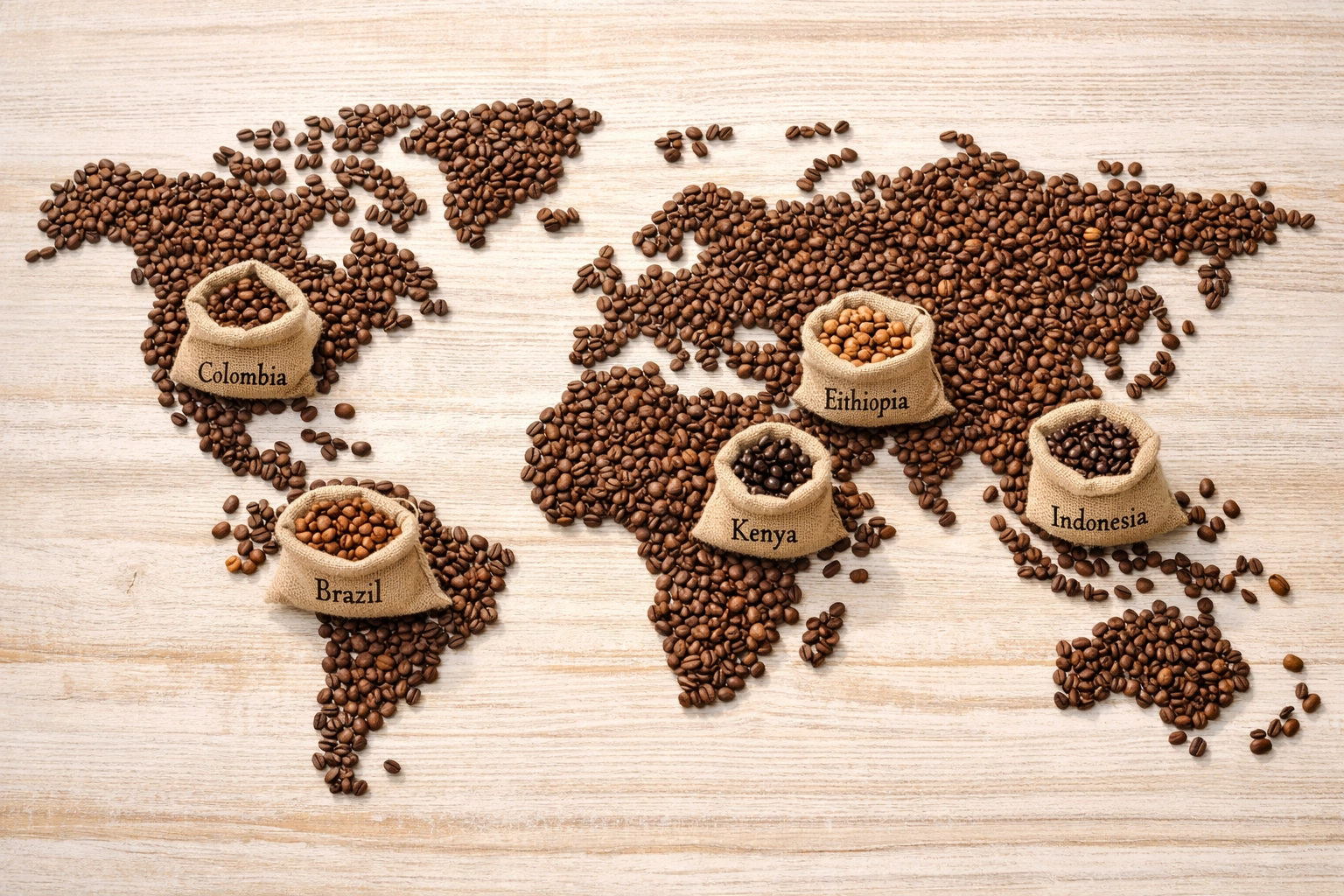
Ethiopian coffees are often where people fall in love with single origin. These beans tend to be bright, floral, and bursting with fruity notes: think blueberries, jasmine, and bergamot. Ethiopian Yirgacheffe is legendary for its tea-like body and intense aromatics.
Kenyan coffees bring serious brightness too, with vibrant acidity that delivers berry, citrus, and sometimes black currant notes. These are coffees that wake up your palate.
Central and South America: Balanced and Sweet
Brazilian coffees typically lean towards chocolate and nutty flavors with a heavier body and lower acidity. They're approachable, comforting, and make excellent everyday drinking coffee.
Colombian coffees often balance chocolate and caramel sweetness with brighter fruity notes. It's why Colombian coffee has such widespread appeal: it offers complexity without being challenging.
Mexican coffees tend toward chocolate and nutty profiles too, often with gentle spice notes and a smooth, easy-drinking character.
Asia-Pacific: Bold and Earthy
Indonesian coffees from Sumatra or Java are known for their full body and earthy, herbaceous qualities. These are the coffees that taste like they've been grown in volcanic soil (because they have). Expect notes of cedar, tobacco, and dark chocolate.
How to Spot Single Origin Coffee
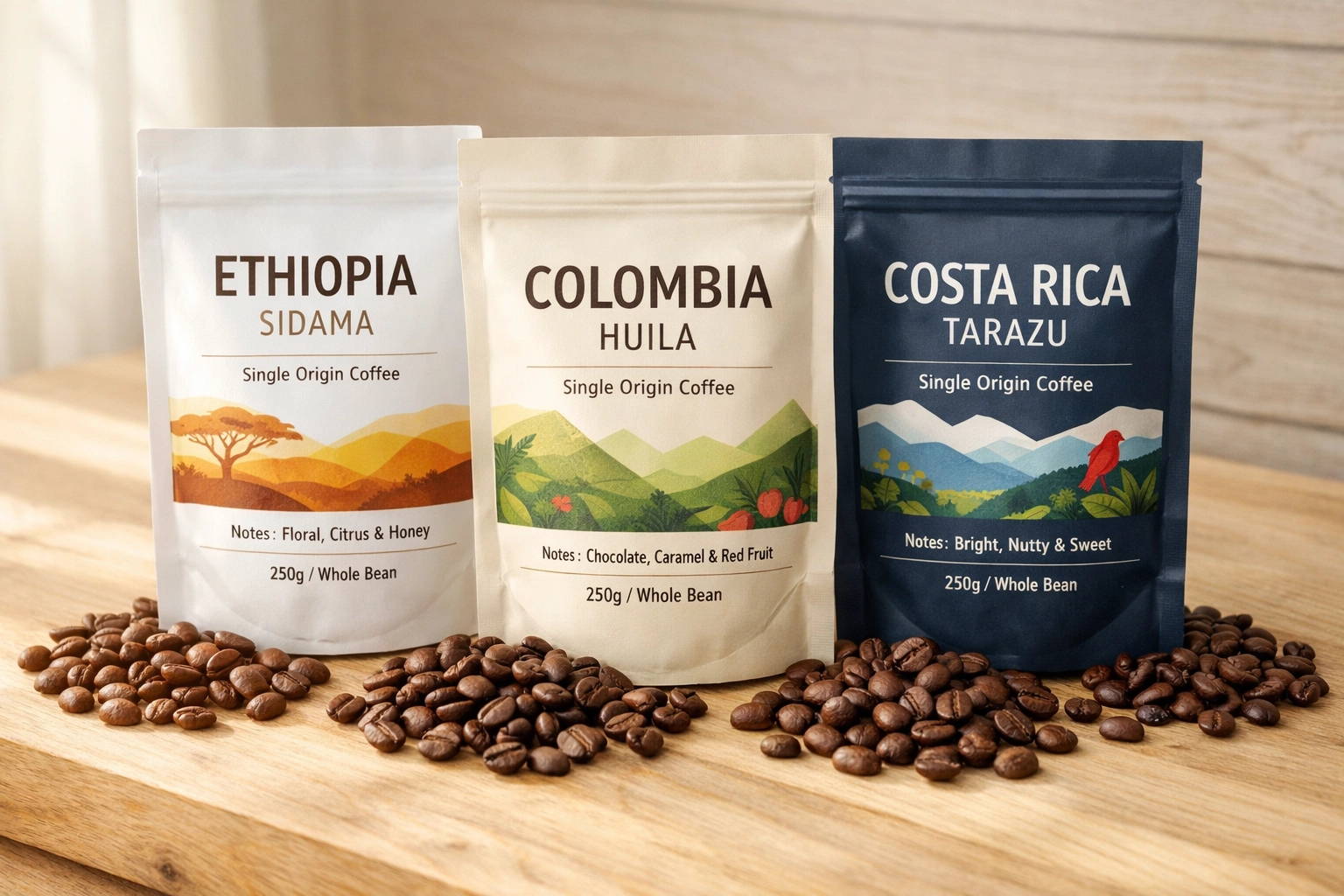
When you're shopping, single origin coffee makes itself known. The packaging will clearly state a specific country, and often you'll see additional details: the farm name, the producer, the processing method (washed, natural, honey), and sometimes even the varietal of coffee plant.
Look for details like "Guatemala, Huehuetenango, Finca El Injerto" or "Rwanda, Nyamasheke, Buf Café Cooperative." The more specific the information, the more confident you can be that you're getting a true single origin experience.
Blends, by contrast, are explicitly labeled as such. You'll see names like "Espresso Blend," "House Blend," or creative names that don't reference specific geography.
Why Choose Single Origin?
So why drink single origin coffee instead of a perfectly good blend?
First, there's the story. Every single origin coffee comes with a narrative: the farmers who grew it, the unique microclimate of the region, the traditional processing methods used. You're not just drinking coffee; you're experiencing a specific place and time through your cup.
Second, there's the sensory adventure. If you're someone who appreciates wine or craft beer, you'll understand the appeal of tasting how terroir influences flavor. With single origin coffee, you can compare a citrusy Kenyan against a chocolatey Brazilian and understand just how much geography matters.
Third, transparency. Single origin coffee allows you to make informed choices about ethical sourcing. When you know exactly where your coffee comes from, you can research the farm's practices, verify fair trade claims, and feel confident you're supporting farmers properly.
How to Brew Single Origin Coffee
Here's our honest take: single origin coffees really shine when you brew them in ways that highlight clarity and complexity. Pour over methods like V60 or Chemex are brilliant for this because they produce clean cups that let all those delicate flavor notes come through.
That said, there's no wrong way to brew single origin coffee. We've had stunning single origin espressos and beautiful single origin brewed in a simple cafetière. The key is using fresh beans, proper water temperature (around 92-96°C), and a decent grinder.
Start with the brewing method you're most comfortable with. As you develop your palate, you might find yourself wanting to explore different brewing techniques to see how they affect the flavors you're tasting.
Starting Your Single Origin Journey
Ready to dive in? We'd recommend starting with a coffee from a region that sounds appealing to your existing taste preferences.
If you usually add milk and sugar, try a Brazilian or Colombian single origin first. The chocolate and caramel notes will feel familiar and approachable.
If you drink your coffee black and enjoy bright, crisp flavors, go straight for an Ethiopian or Kenyan. These coffees are revelatory when you're used to darker roasts.
If you prefer full-bodied, robust coffee, look for Indonesian single origins. They'll deliver that weight and richness you're after.
The beauty of single origin coffee is that there's always another origin to explore, another farm to discover, another flavor profile to experience. We've been roasting specialty coffee for years and we still get excited when we source a new single origin that tastes completely different from anything we've tried before.
At Limini Coffee, we source exceptional single origin coffees from around the world, each one carefully selected to showcase what makes that particular origin special. You can explore our full range and find your next coffee adventure at https://www.liminicoffee.co.uk/?af=1471531379787.
Start with one origin. Taste it carefully. Make notes about what you're experiencing. Then try another from a completely different region and compare. That's when the magic happens: when you realize just how diverse and fascinating coffee can be.
Your single origin journey starts with a single bag. Where will your taste buds take you first?
Leave a Reply