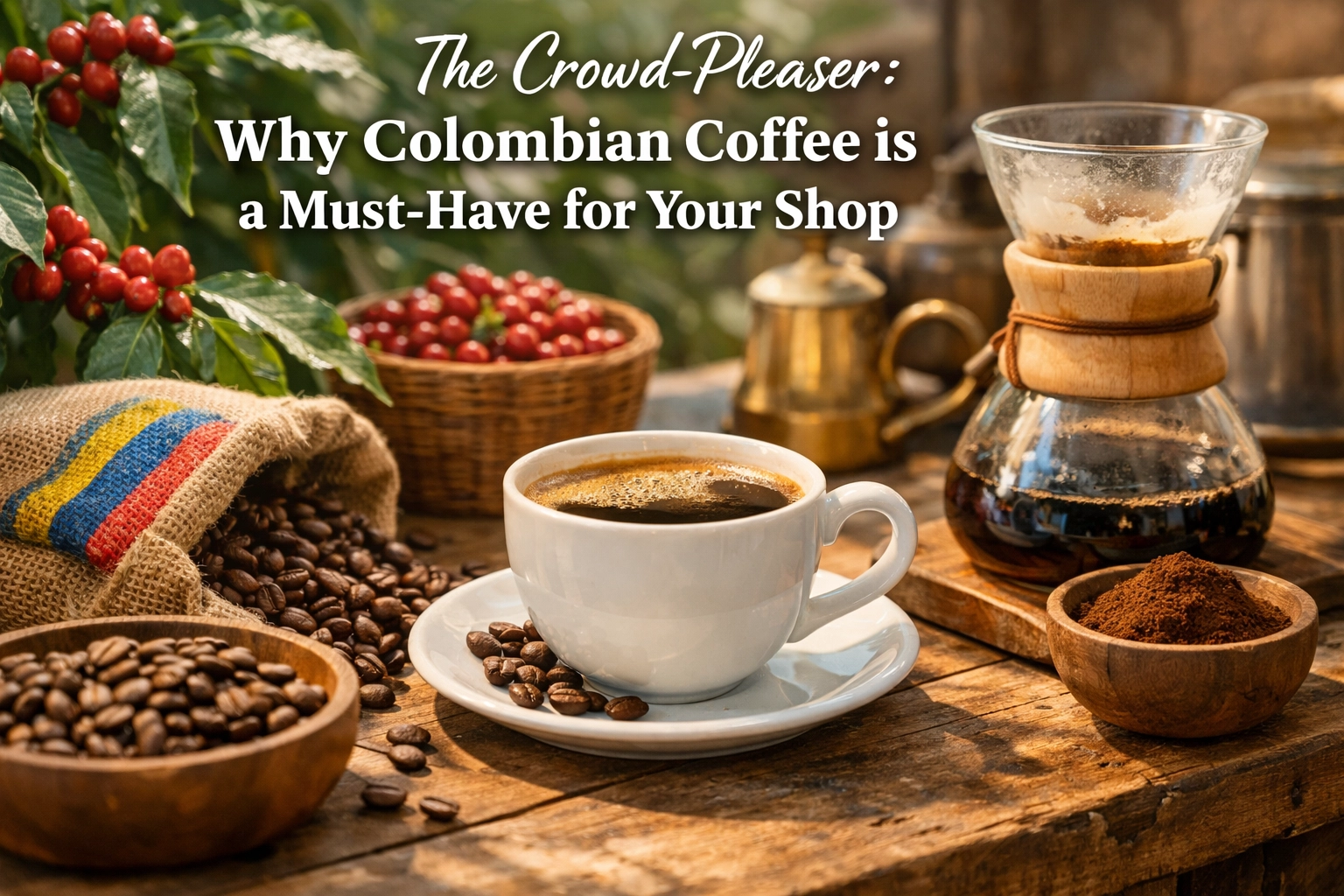
Let's talk about the coffee that basically never lets you down.
If you're running a coffee shop and haven't got Colombian on your menu, you're leaving money on the table. And we don't say that lightly. Colombian coffee has this remarkable ability to make both your specialty enthusiasts and your "just need caffeine" crowd happy at the same time. It's the Swiss Army knife of the coffee world.
Why Colombian Coffee Just Works
Here's the thing about Colombian beans: they're approachable without being boring.
Unlike some origins that can be polarizing, think heavy, smoky Indonesian coffees or aggressively fruity naturals, Colombian sits in this sweet spot where almost everyone takes a sip and goes, "Yeah, that's nice." And in the wholesale specialty coffee game, that kind of universal appeal is gold.
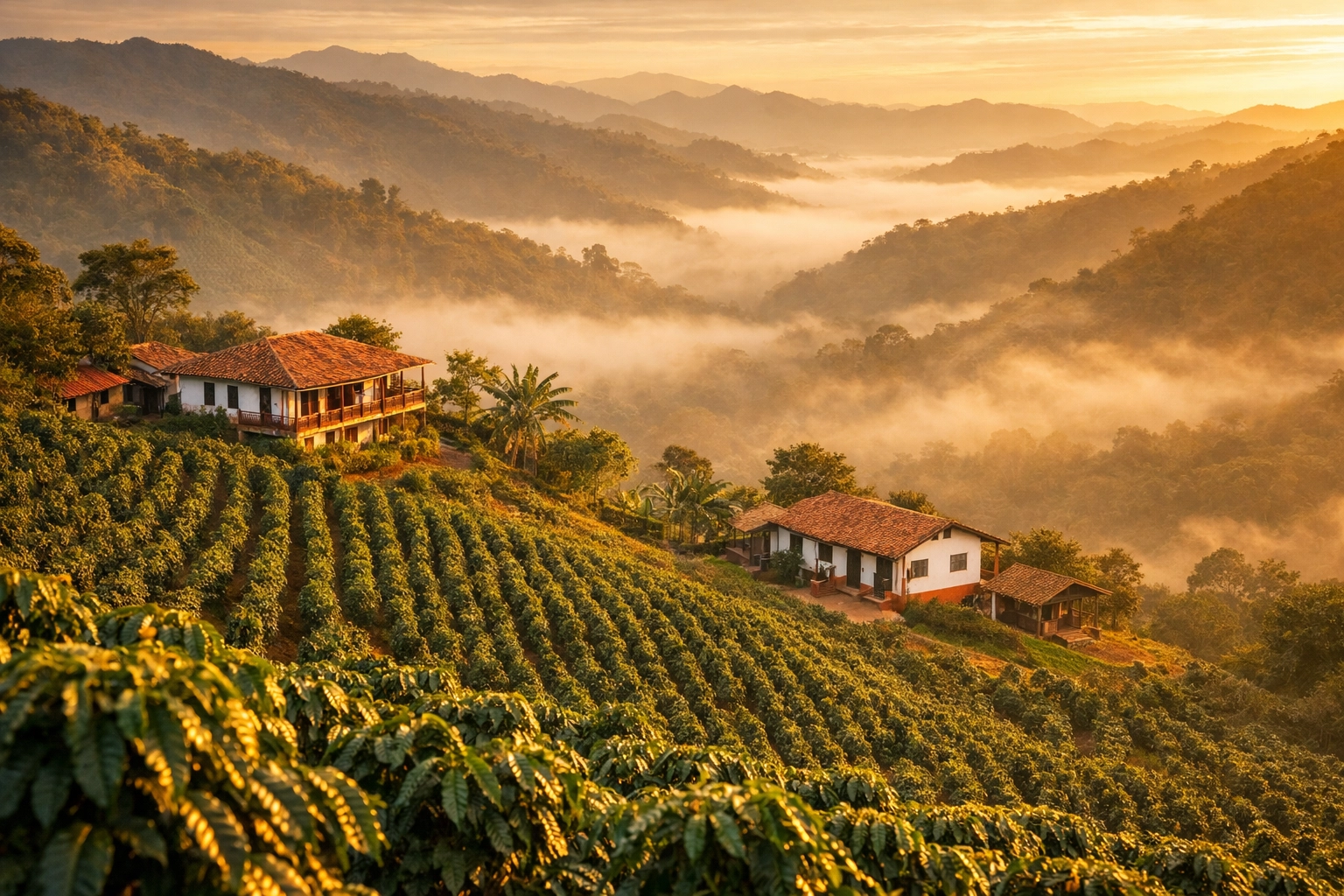
The reason? Colombia's coffee-growing regions sit at ideal elevations with perfect volcanic soil and consistent rainfall. This creates beans with a naturally balanced profile, bright acidity, medium body, and complex flavours that don't overwhelm. You get chocolate, caramel, and nutty notes dancing with citrus and berry undertones. It's layered but not challenging.
The Business Case for Stocking Colombian
Look, we get it. As coffee suppliers, we've heard every concern about inventory management and SKU rationalization. But Colombian coffee earns its place on your menu for some very practical reasons.
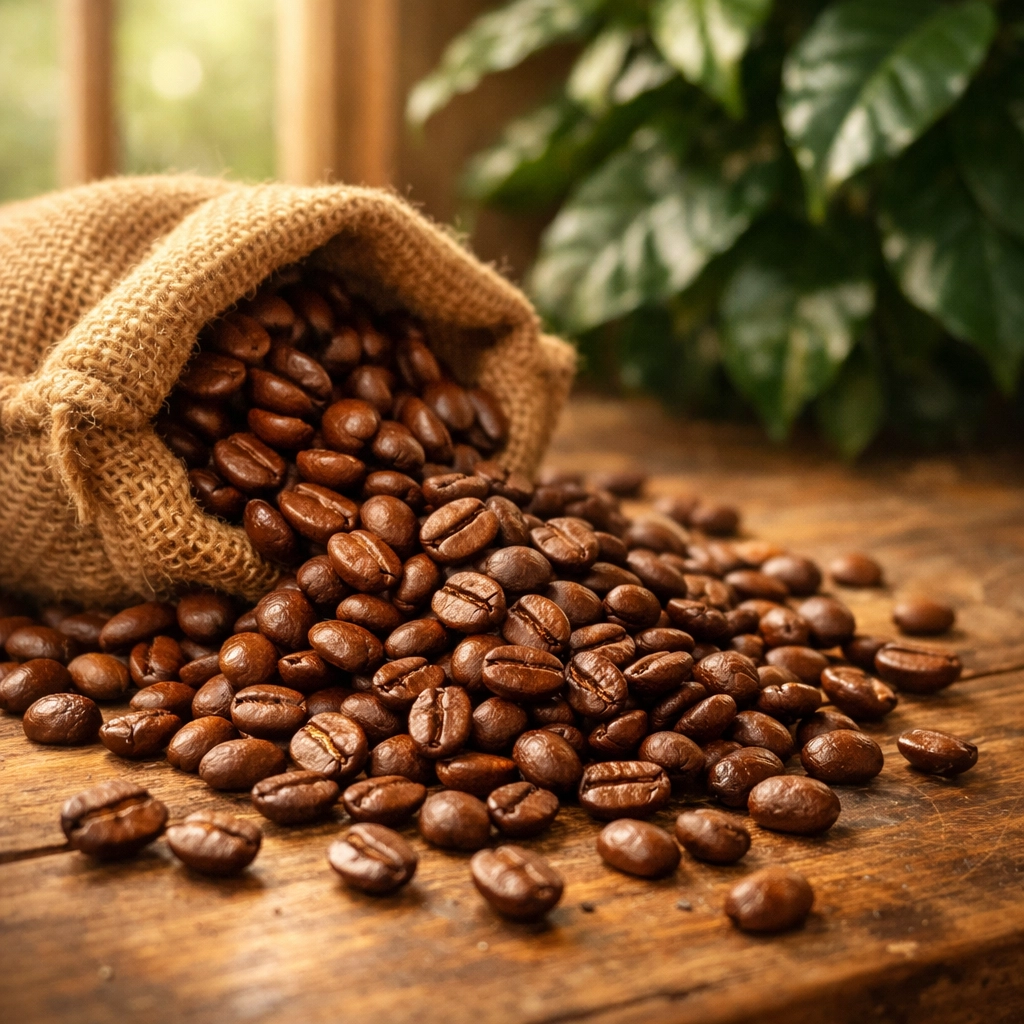
Consistency is king. Nearly all Colombian coffee is washed processed, which preserves the origin character beautifully and gives you cleaner, more predictable flavours batch after batch. Your customers come back knowing what they're getting. That reliability builds trust, and trust builds repeat business.
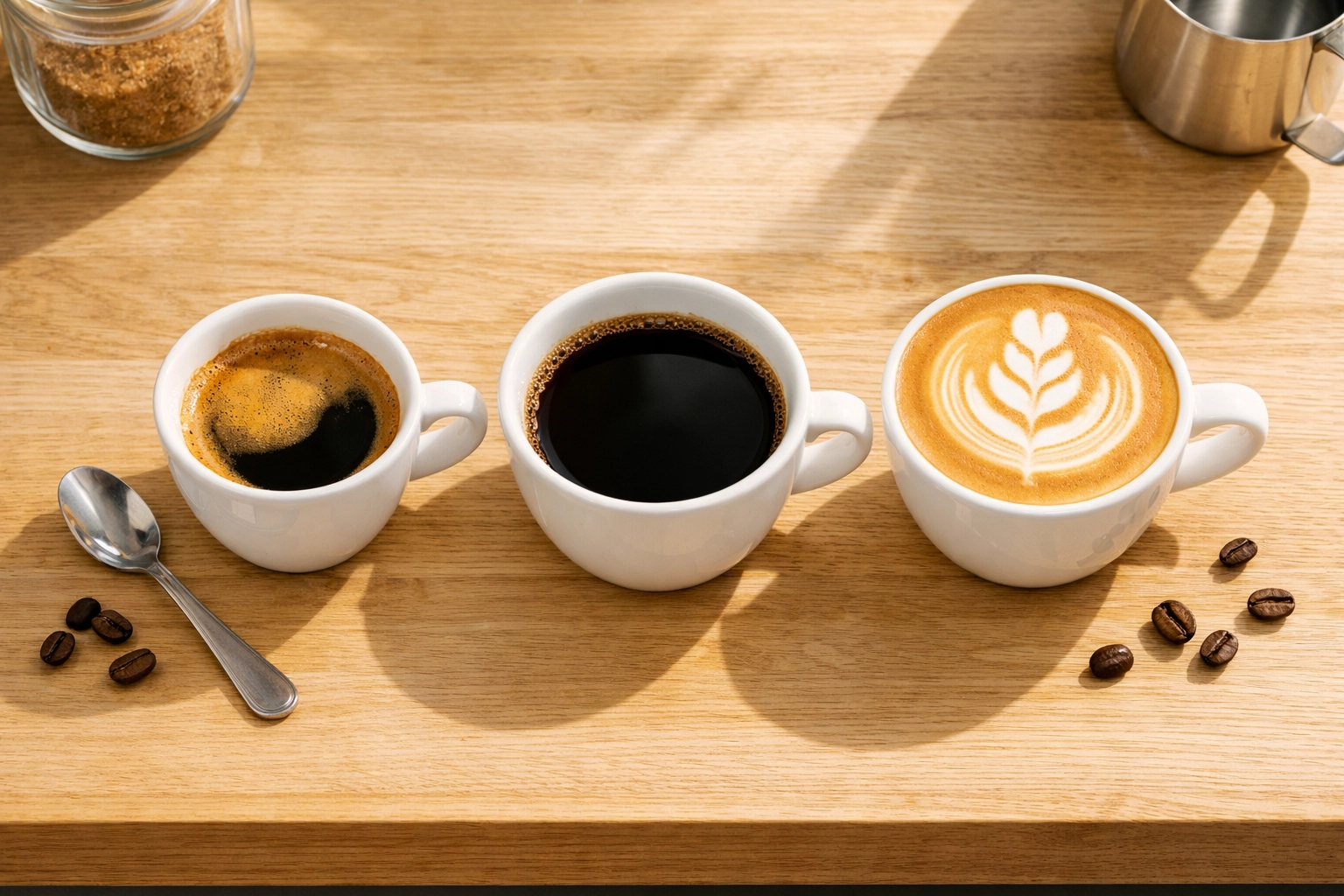
Menu versatility without the complexity. A quality Colombian works brilliantly across your entire menu. Espresso? Absolutely. Filter? Perfect. Milk-based drinks? It holds its own without disappearing. You're essentially covering multiple customer preferences with one origin.
Margins that make sense. Colombian offers excellent quality at a price point that allows healthy margins. It's premium enough to command respect but accessible enough that customers don't balk at the price.
Regional Diversity: The Secret Weapon
Here's where it gets interesting for those of you thinking about menu development.
Colombia isn't just one flavour. Different regions produce distinctly different profiles, which means you can offer variety without juggling beans from multiple countries.
Antioquia brings chocolatey, nutty characteristics, basically your reliable, crowd-pleasing workhorse.
Nariño, up at high elevations near Ecuador, delivers brighter, fruitier notes with vibrant berry and tropical fruit characteristics. This is your "surprise and delight" offering for customers ready to explore.
Huila sits somewhere in the middle with balanced sweetness and wine-like acidity.
The beauty? You can rotate through regions seasonally, keeping your menu fresh and giving your regulars something new to try, all while maintaining that "Colombian" through-line customers recognize and trust.
What Makes a Quality Colombian (and How to Spot It)
Not all Colombian coffee is created equal, and as wholesale buyers, you need to know what separates the good from the exceptional.
Look for micro-lot or single-estate coffees when possible. These give you traceability and typically higher quality control than generic "Colombian Supremo" offerings. You get a story to tell customers, which matters increasingly in the specialty market.
Processing matters. While washed is standard, some Colombian producers are experimenting with honey and natural processing. These can add interesting flavour dimensions, just make sure they align with your menu strategy.
Freshness is non-negotiable. Colombian coffee, like any quality coffee, shows best within a few months of roasting. We work with coffee suppliers who prioritize quick turnaround because stale coffee, even if it's from Colombia's finest farms, won't impress anyone.
Altitude also tells you something. Generally, the higher the elevation (look for 1,700+ meters), the denser and more complex the bean. These high-grown coffees often justify premium pricing.
Training Your Team on Colombian
Your staff are your best salespeople, so give them the knowledge to sell Colombian confidently.
The key talking points? Balance, approachability, and versatility. Train them to describe Colombian as the "gateway" for customers new to specialty coffee, but also highlight the complexity that keeps experienced drinkers coming back.
We recommend taste-training sessions where your baristas can compare Colombian with, say, a brighter Ethiopian or heavier Brazilian. The contrast helps them articulate what makes Colombian special. And when they can explain why a customer might love it, conversion rates go up.
Limini Coffee offers barista training support for wholesale partners, which includes origin education. It's worth taking advantage of these resources.
How Colombian Fits Your Seasonal Menu Strategy
Smart wholesale buyers think seasonally, and Colombian fits beautifully year-round with some strategic tweaking.
Summer: Play up the brighter, fruitier Nariño profiles. Serve them as iced filter or cold brew where those citrus and berry notes shine.
Autumn/Winter: Shift to the richer Antioquia offerings with chocolate and caramel notes. These work brilliantly in milk drinks when customers are craving warmth and comfort.
This seasonal rotation keeps your menu dynamic without requiring massive operational changes. You're still Colombian, still consistent, but offering subtle variety that engaged customers notice and appreciate.
The Wholesale Partnership Advantage
Here's something we believe strongly: your relationship with your coffee supplier matters as much as the beans themselves.
When you're stocking Colombian (or any origin), you need a wholesale partner who understands the café business and provides consistent support. That means reliable delivery schedules, quality consistency, transparent pricing, and someone you can actually reach when you need guidance.
We've built our wholesale program around these principles because we've seen too many café owners struggle with suppliers who disappear after the sale. Colombian coffee might be naturally consistent, but your supply chain needs to be too.
Making Colombian Work for Your Shop
So, practically speaking, how do you integrate Colombian into your lineup?
Start with one solid Colombian as your "house" option. Choose a medium roast with broad appeal: something that works across espresso and filter. This becomes your reliable daily driver.
Consider adding a second, more distinctive Colombian as a rotating single-origin filter option. This gives your specialty enthusiasts something to explore while maintaining origin familiarity.
Price it strategically. Colombian should sit in your mid-premium tier: not your cheapest offering, but accessible enough to encourage trial. The quality justifies premium pricing, but you're not pushing into exotic origin territory.
Tell the story. Colombian coffee has name recognition, but most customers don't know much beyond "Colombian is good." Educate them about regions, processing, and farming practices. The more they understand, the more they value what they're drinking.
The Bottom Line
Colombian coffee has earned its reputation as a café staple for good reason. It delivers quality, consistency, and versatility that makes both your operations and your customers' experiences better.
Whether you're opening your first café or managing multiple locations, Colombian should be part of your core offering. It's the kind of reliable, high-quality coffee that keeps customers coming back while giving you the margins and flexibility to build a sustainable business.
If you're looking to source quality Colombian beans with proper wholesale support, we'd love to chat about what we can offer. Because the right Colombian coffee, backed by the right partnership, can genuinely transform your café's offering.
Leave a Reply