
You've just received your freshly roasted beans – maybe from our selection at Limini Coffee – and you're ready to brew exceptional coffee at home. But here's the thing: how you store those beans over the next few weeks will make or break every cup you make.
We've seen it countless times. Someone invests in quality specialty coffee, only to watch it go stale within days because it's sitting in the wrong container, in the wrong spot, slowly losing everything that made it special in the first place.
So let's talk about the golden rule of freshness and how to protect your investment.
The Four Enemies of Fresh Coffee
Your roasted coffee beans have four mortal enemies: air, light, heat, and moisture.
These aren't just minor inconveniences – they're actively working against you from the moment you open that bag. Each one degrades the delicate aromatic compounds and oils that give specialty coffee its complex flavors and aromas.
Think of fresh coffee as a ticking clock. Roasted beans begin losing their aromatics within 10 days after roasting, and that degradation accelerates dramatically when exposed to these four factors. The good news? We can slow that clock way down with proper storage.
Why Container Choice Matters More Than You Think
The container you choose isn't just about keeping beans contained – it's your first line of defense against those four enemies we mentioned.
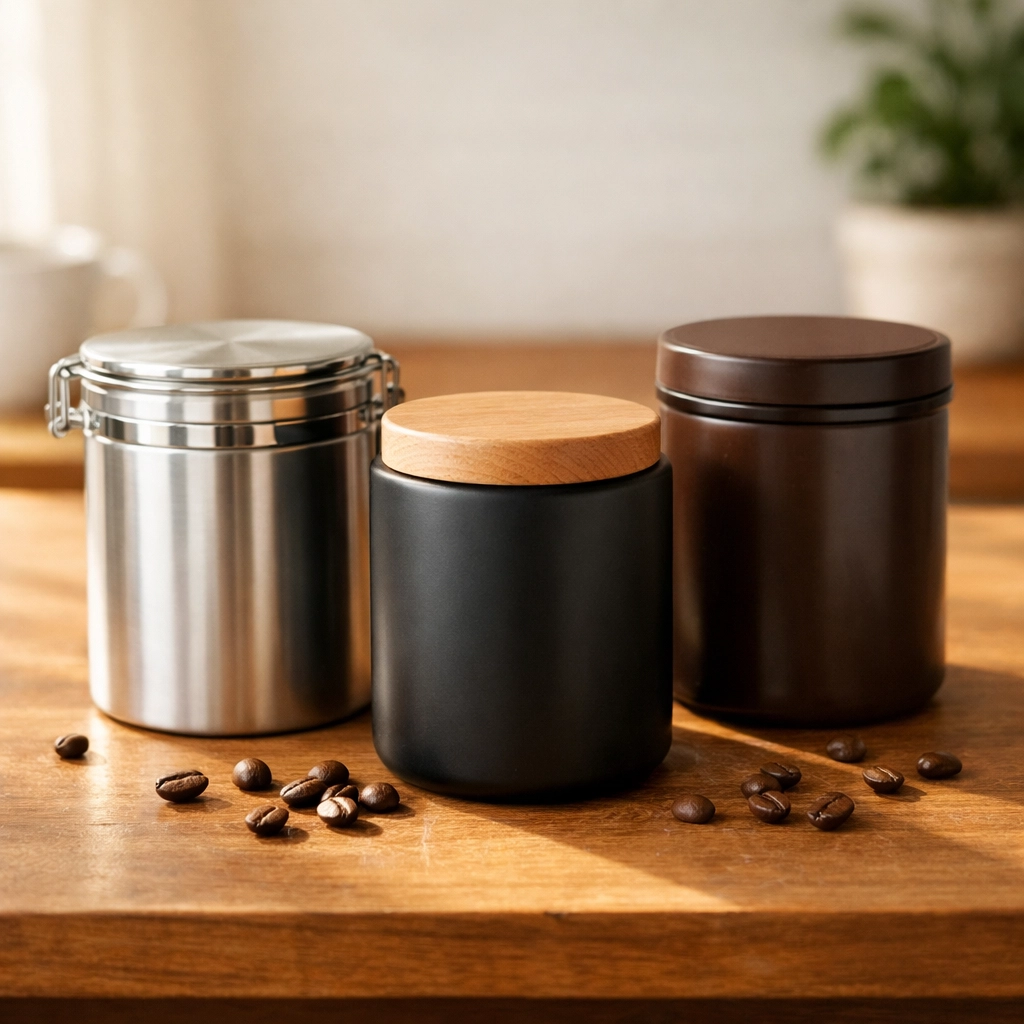
We recommend dark, opaque containers made from ceramic, stainless steel, or non-transparent plastic. The key word here is opaque. Clear glass jars might look lovely on your countertop, but they're letting light flood in and destroy those precious aromatics.
Your container needs to be genuinely airtight. Not just "sort of closes well" but properly sealed. When oxygen interacts with the oils in your coffee beans, oxidation occurs, and those vibrant flavors start turning stale and flat. An airtight seal minimizes this contact.
Here's something we get asked all the time: "Can I just keep the beans in the original bag?"
If your coffee came in a bag with a resealable zipper (like ours do), you absolutely can – but only if you're storing it in a cool, dark location away from direct sunlight. The bag itself needs to be protected from light and heat. So basically, yes to the original bag, but no to leaving it on your sunny kitchen counter.
The Ideal Storage Location
Location, location, location. It matters in real estate, and it definitely matters for your coffee beans.
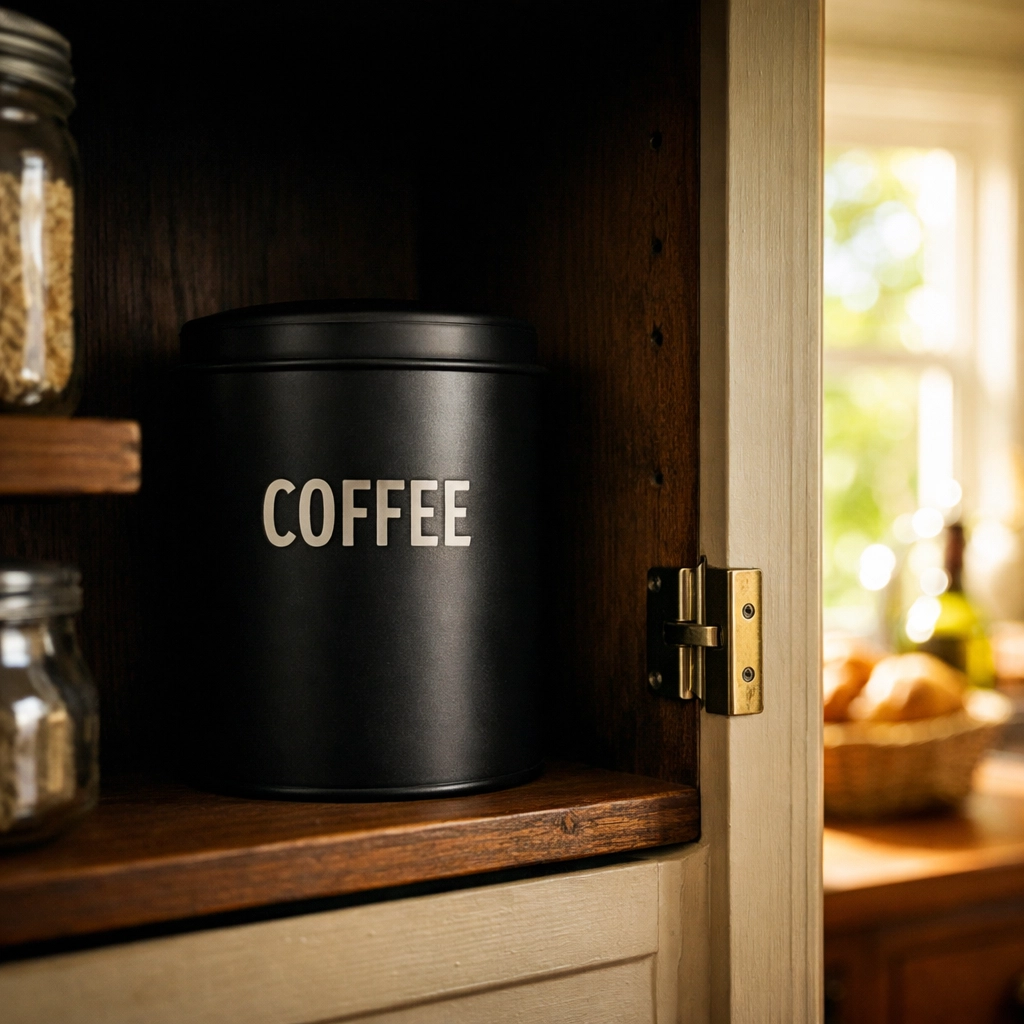
You want a cool, dark place with stable temperature – ideally between 15-24°C (65-75°F). A dark pantry or cupboard works brilliantly. What you're looking for is consistency. Temperature fluctuations are just as damaging as high temperatures because they create condensation, and moisture is one of our four enemies.
Keep your coffee away from the stove. We know it's convenient to have it nearby when you're making your morning brew, but the heat from cooking will accelerate staleness. Same goes for windows – even indirect sunlight warms up containers and degrades quality.
Also avoid anywhere near your sink or dishwasher. Humidity and moisture are absolutely devastating to coffee beans. You want to maintain relative humidity around 60% in your storage area, which basically means: keep it dry.
The Grinding Question
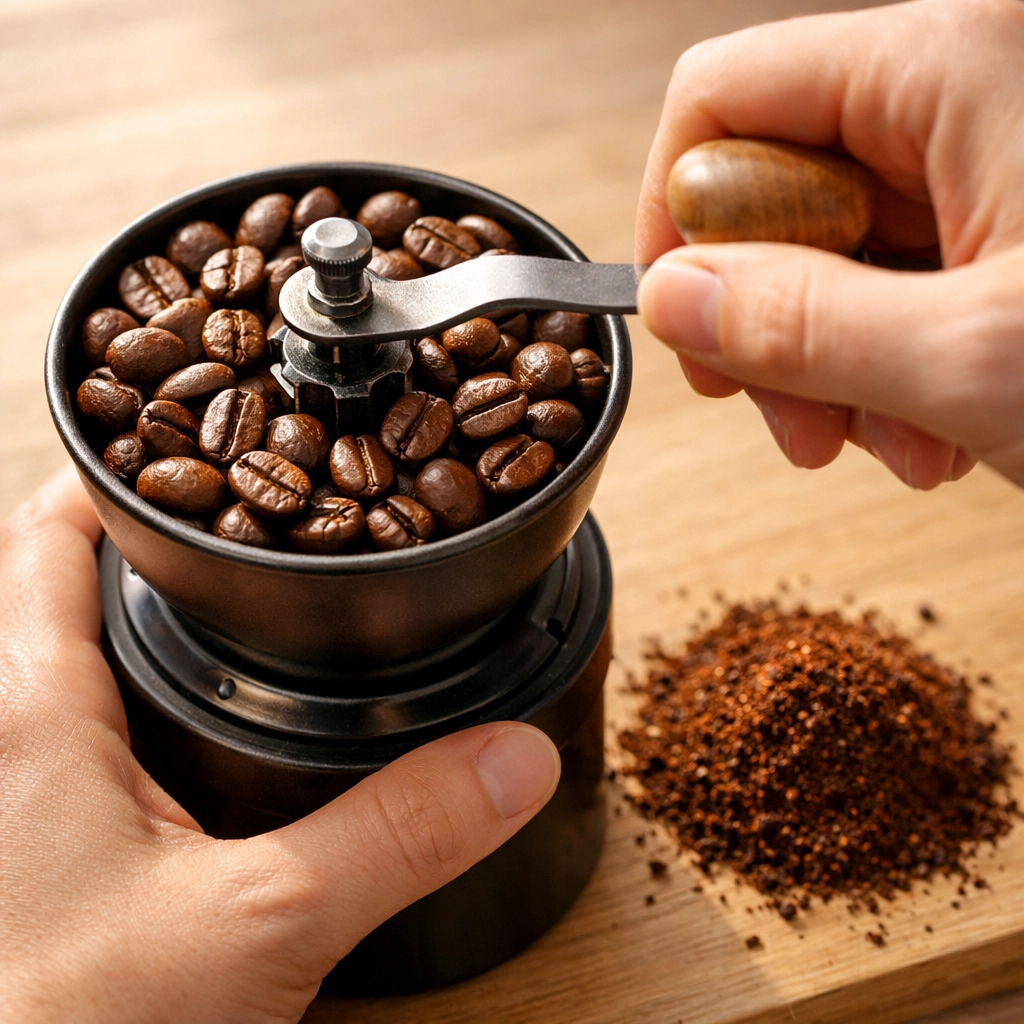
Here's a rule we're quite strict about: don't grind your beans until you're ready to brew.
Whole beans have significantly less surface area exposed to air compared to ground coffee. Once you grind, you're dramatically increasing that exposure, and the degradation process goes into overdrive. Ground coffee can lose its freshness within hours, not days.
We understand the convenience of pre-grinding, especially for busy mornings. But if you care about flavor – and you invested in quality beans, so we know you do – grinding fresh is non-negotiable. A decent burr grinder is one of the best investments you can make for home brewing.
How Long Will Freshness Last?
With proper storage in an airtight, opaque container in a cool, dark place, your roasted coffee beans will maintain their flavor and freshness for up to 30 days after opening.
Notice we said "after opening." Before you break that seal, beans stay fresh considerably longer – usually 2-3 months from the roast date if the bag is unopened and properly stored.
This is why we recommend buying quantities you'll actually consume within that 30-day window. It's better to order smaller amounts more frequently than to have a massive bag slowly going stale in your cupboard. When you're browsing our coffee selection, think about your actual consumption rate.
The Freezer Debate: When It Works and When It Doesn't
Should you freeze coffee beans? It's one of the most contentious questions in the specialty coffee world.
Here's our take: for long-term storage beyond one week, freezing is better than refrigeration. But there are very specific rules to make this work.
If you're going to freeze coffee, you need vacuum-sealed bags or genuinely airtight containers. Place them in the coldest part of your freezer – usually the back, away from the door. And here's the critical part: thaw only once. Do not refreeze.
Why? Because every time frozen beans come back to room temperature, condensation forms. That moisture seeps into the beans, compromising flavor and potentially causing freezer burn. So if you freeze, portion your coffee into smaller amounts that you'll use entirely when you defrost them.
But honestly? For most home brewers, we don't recommend freezing. If you're ordering regularly and consuming your coffee within 30 days, proper pantry storage works brilliantly without the complications of freezing and thawing.
What About Refrigeration?
Short answer: no. Just no.
Refrigerators are humid environments with fluctuating temperatures (every time you open the door) and countless odors from other foods. Coffee beans are porous and will absorb those odors – imagine your Ethiopian natural tasting like last night's leftover curry. Not something we would recommend.
The condensation issue is even worse in fridges than freezers because of the constant temperature changes. Skip the fridge entirely for coffee storage.
Signs Your Coffee Has Gone Stale
How do you know if your storage method isn't working? Your beans will tell you.
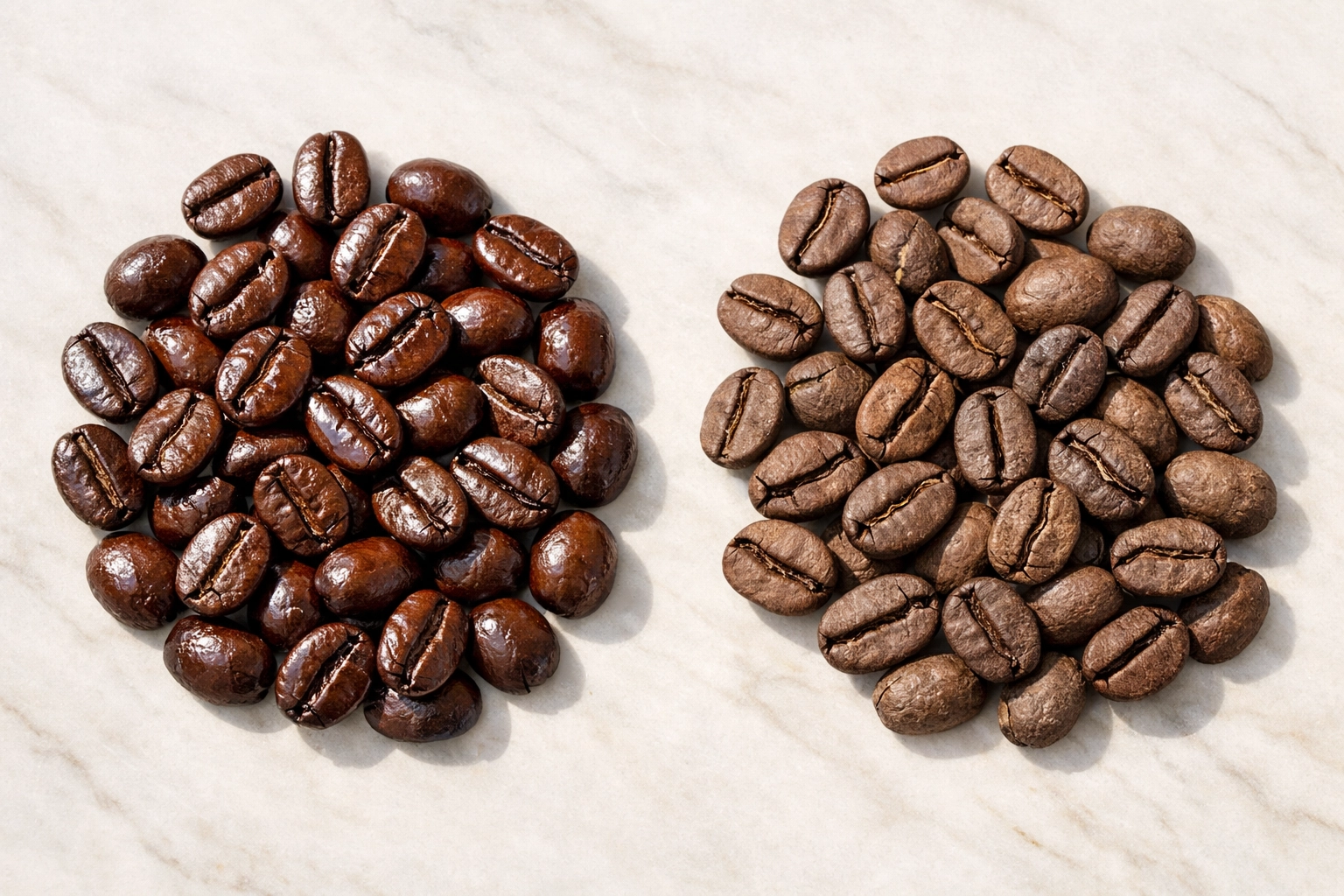
Stale coffee loses its aroma first. Fresh beans should smell vibrant and complex when you open the container. If there's barely any smell, or it smells flat and cardboard-like, freshness has left the building.
The appearance changes too. Fresh beans have a slightly oily sheen (especially with darker roasts). Stale beans look dull and dry.
And of course, there's the taste. Stale coffee brews thin, flat, and lifeless. You'll notice the absence of those bright, complex notes you fell in love with when you first opened the bag.
Practical Storage Tips We Actually Use
Here are some things we've learned from years of working with specialty coffee:
Buy whole beans in quantities you'll finish within 3-4 weeks maximum. Smaller, more frequent orders beat bulk buying for home brewing.
Invest in one really good storage container rather than several cheap ones. Quality matters here.
Keep a permanent marker near your coffee storage and write the roast date on containers when you transfer beans. It's easy to forget when you opened a bag.
If you're comparing different coffees, use separate containers for each. Don't mix old and new beans – it defeats the purpose of buying fresh.
Consider getting a small kitchen scale to portion your beans. This helps you buy the right quantities and ensures you're not constantly opening and closing your main container.
Fresh Is Best
Look, we roast coffee because we're obsessed with flavor. Everything we do – from sourcing green beans to the roasting process itself – is about delivering exceptional coffee to your cup. But all that work means nothing if those beans aren't stored properly once they reach your kitchen.
The golden rule of freshness really comes down to this: protect your beans from air, light, heat, and moisture. Get those four things right with a proper airtight, opaque container in a cool, dark location, and you'll enjoy amazing coffee for weeks after opening.
Your beans deserve better than a random jar on a sunny shelf. Give them the storage they need, and they'll reward you with brilliant cups every single time.
If you'd like to explore our range of freshly roasted specialty coffee and put these storage principles into practice, visit us here. We roast to order, which means you're getting beans at their absolute peak freshness – and now you know exactly how to keep them that way.
Leave a Reply