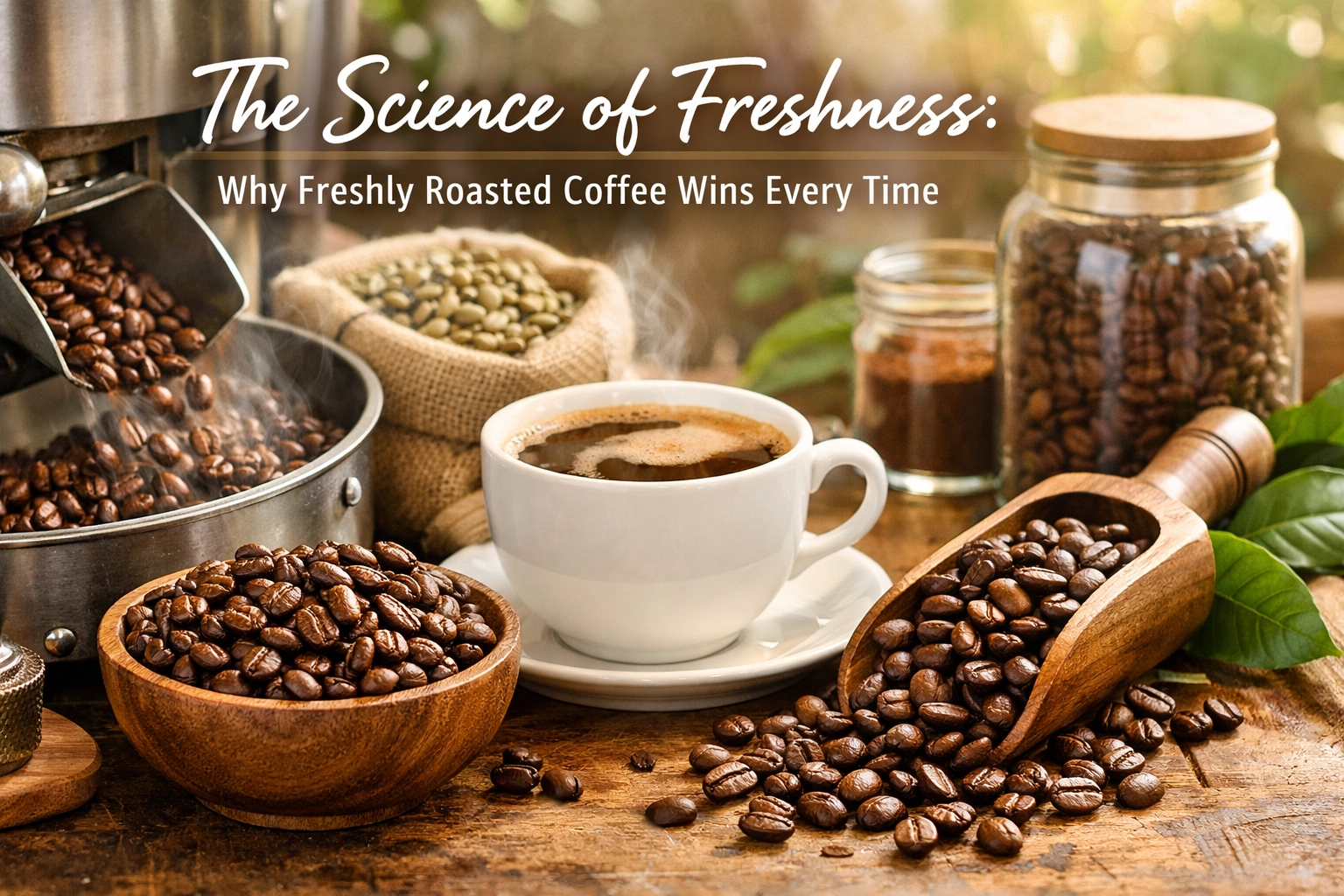
Ever walked into a room and been hit by that unmistakable, intoxicating aroma of coffee being ground? It’s one of those scents that stops you in your tracks. It feels like a warm hug for your brain. But have you ever wondered why that same bag of coffee, sitting in your cupboard three months later, just… doesn't do that anymore? It smells a bit flat, tastes a bit "cardboard-y," and generally loses its spark.
Well, there is a very real, very scientific reason for that. Freshness isn't just a buzzword we use here at Limini Coffee to sound fancy; it’s the literal foundation of a great cup. Whether you are brewing at home or looking for wholesale specialty coffee for your business, understanding the science of freshness is the key to unlocking the best possible experience.
So, let’s dive into why fresh is always best.
The Maillard Reaction and the Birth of Flavour
To understand why coffee goes stale, we first have to understand how it gets its flavour in the first place. Inside a green coffee bean, there are hundreds of chemical compounds, acids, proteins, sugars, and water. When we roast those beans, a complex series of chemical reactions occurs.
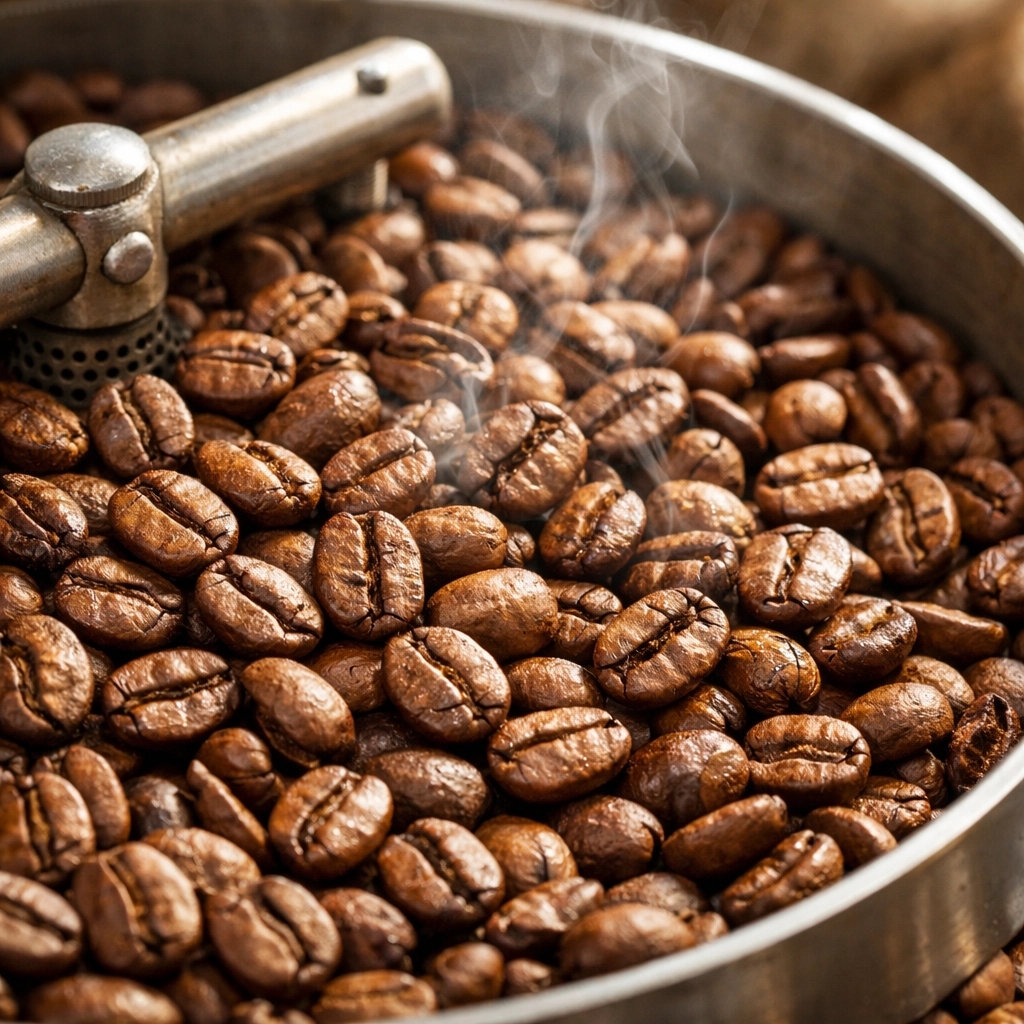
The most famous of these is the Maillard reaction (the same thing that happens when you sear a steak or toast bread). This process creates the complex flavours we love, the caramels, the chocolates, and the fruity notes. During this time, the beans also produce a lot of Carbon Dioxide (CO2).
Why is this important? Because that CO2 acts as a sort of protective shield. For the first few days after roasting, the beans are "degassing," or pushing that gas out. This is why coffee bags have those little one-way valves. They let the gas out without letting oxygen in.
But here is the kicker: once that gas is gone, the shield is down.
The Enemy at the Gates: Oxidation
If you’ve ever sliced an apple and left it on the counter, you know it turns brown. That is oxidation. The oxygen in the air reacts with the compounds in the apple, breaking them down. Coffee is exactly the same.
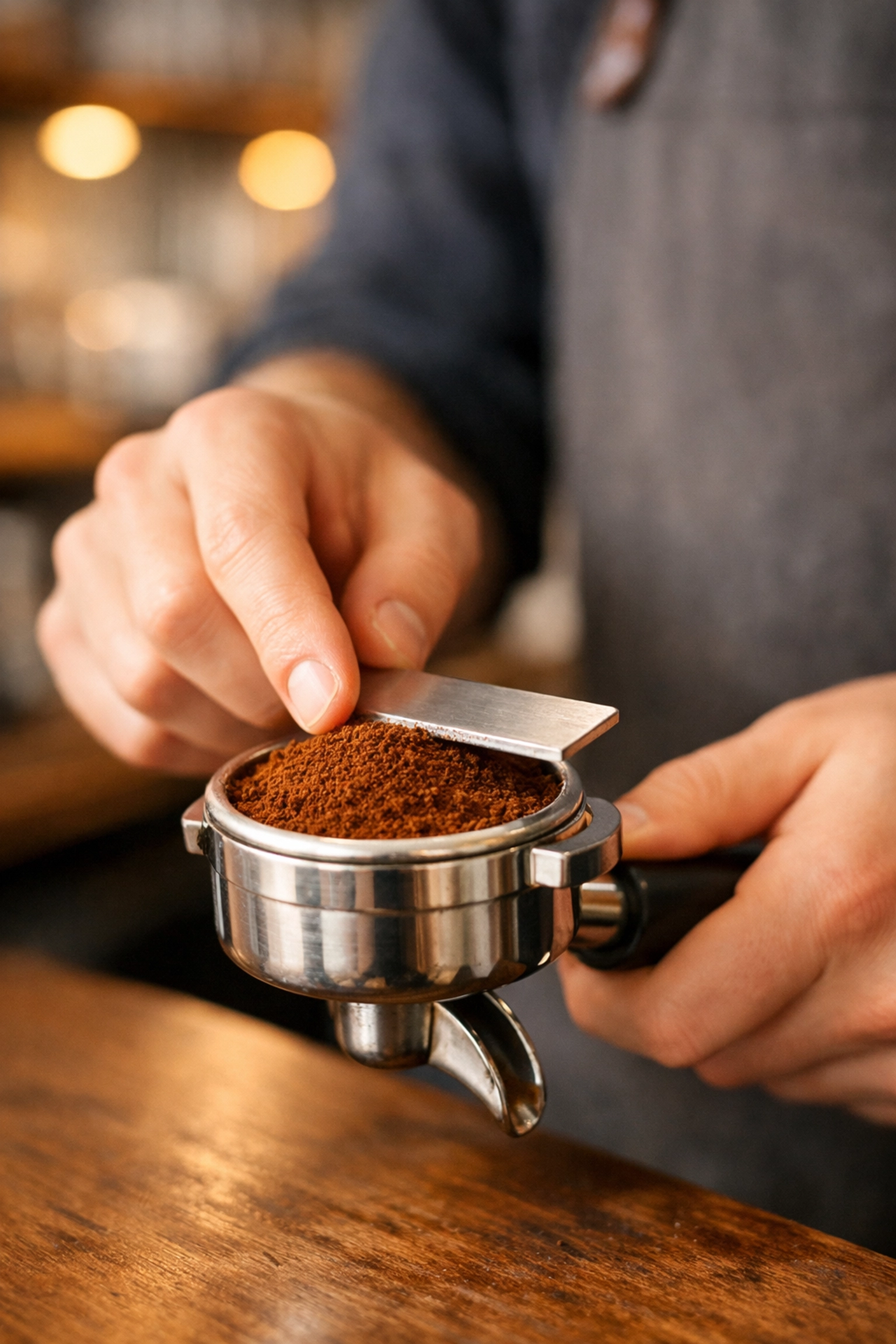
The oils in coffee beans (which carry most of the flavour and aroma) are highly volatile. As soon as they are exposed to oxygen, they start to go rancid. This is the primary reason why pre-ground coffee from the supermarket often tastes a bit "meh." When you grind coffee, you increase the surface area by thousands of percent, exposing every tiny particle to the air.
This means the oxidation process happens at warp speed. If you are looking for coffee suppliers who really care about your business, the first thing you should check is how they handle their roasting schedule. If the coffee has been sitting in a warehouse for months, the "soul" of the bean has already left the building.
It’s Not Just About Taste: The Health Factor
We usually talk about coffee in terms of caffeine and flavour, but it’s actually a powerhouse of antioxidants. Research shows that freshly roasted coffee retains significantly higher levels of beneficial compounds like polyphenols and chlorogenic acids.
These compounds are like little soldiers that fight oxidative stress in your body. However, these beneficial compounds begin breaking down immediately upon roasting. The longer that roasted coffee sits, the fewer active antioxidants it retains.
The Antioxidant Advantage by the Numbers
Studies have shown that fresh coffee delivers a substantially stronger antioxidant dose than aged beans. For example:
- Medium light roasts can see an increase in total antioxidant status of about 21% over a 4-week period compared to stale alternatives.
- Medium roasts can see up to a 26% increase.
This means that a cup of freshly roasted Limini Coffee isn't just a treat for your taste buds, it’s actually measurably better for your cardiovascular and metabolic health. Fresh coffee is also generally gentler on the stomach because the oils haven't had the chance to oxidize into those bitter, irritating compounds.
The "Sweet Spot" of Freshness
Now, you might think, "Okay, so I should drink it the second it comes out of the roaster?"
Not quite.
As we mentioned, coffee needs to degas. If you brew coffee that was roasted ten minutes ago, the high levels of CO2 will interfere with the water's ability to extract the flavour. It often tastes a bit metallic or "fizzy."
We believe the sweet spot for most coffees is between 5 and 14 days after roasting. This is when the flavours have settled, the gas has mostly dissipated, and the aromatics are at their peak. After about 30 days, you’ll start to notice a decline. By 60 days? It’s just a shadow of its former self. Which is just a real shame, to be honest.
Why This Matters for Wholesale Specialty Coffee
If you run a coffee shop or a restaurant, the freshness of your beans is your most important asset. You can have the most expensive espresso machine in the world, but if your beans are stale, your coffee will be mediocre. It's that simple.
When you are vetting coffee suppliers, you want to ensure they roast to order. At Limini, we don't believe in "stock" coffee sitting on shelves. We roast it, we bag it, and we send it. This ensures that by the time it reaches your hopper, it’s just entering that perfect window of flavour.
The Shelf Life Reality
| Coffee Type | Peak Freshness | Noticeable Decline | "The Danger Zone" |
|---|---|---|---|
| Whole Bean | 7 – 21 Days | 30+ Days | 60+ Days |
| Pre-Ground | 1 – 2 Days | 3+ Days | 1 Week+ |
Basically, if you aren't grinding fresh, you are missing out on about 50% of what makes specialty coffee "special."
Light vs. Dark: Does Roast Level Affect Freshness?
Interestingly, the science tells us that the roast level affects how quickly coffee loses its mojo.
Light roasts tend to be denser and have a more intact cellular structure. This means they hold onto their CO2 and their antioxidants (like chlorogenic acids) for a bit longer. Light roasts are fantastic for protecting LDL particles from oxidative damage and reducing cardiovascular inflammation.
Dark roasts, on the other hand, are more porous. The roasting process has broken down more of the bean's structure, which makes it easier for the oils to migrate to the surface. Once those oils are on the surface, they are in direct contact with oxygen. This is why oily, dark roasted beans tend to go stale and "fishy" much faster than lighter roasts.
How to Protect Your Freshness
So, how do you keep your coffee as fresh as possible? Whether you're a home enthusiast or a professional barista, the rules are the same. You need to protect your beans from the "Four Horsemen of the Coffee Apocalypse":
- Air (Oxygen): Keep it in an airtight container. The original bag with the valve is usually fine, provided you seal it tight.
- Light: UV rays are not your friend. Avoid those pretty glass jars on the windowsill. Keep it in the dark.
- Heat: Don't store your coffee above the oven or near a heater. Room temperature is best.
- Moisture: This is a big one. Some people recommend the freezer, but we generally advise against it unless you are using a vacuum sealer. Every time you open a frozen bag, condensation forms on the beans, which ruins them instantly.
If you’re interested in the finer details of how temperature affects your brew, you might enjoy our look at brewing calculators and ratios. It's all connected!
The Limini Promise
At the end of the day, we are obsessed with freshness because we are obsessed with quality. We want you to taste the blueberries in an Ethiopian coffee, or the buttery caramel in a Brazilian roast. You can only do that when the coffee is fresh.
If you’re looking to elevate your coffee game: whether that’s through better training or simply by sourcing better beans: we’d love to help. We believe that everyone deserves a great cup of coffee, and that starts with the science of a fresh roast.
So, next time you go to buy a bag of beans, check the "Roasted On" date. If it doesn't have one, or if it says it was roasted months ago, put it back. Your taste buds (and your heart) will thank you.
If you're ready to experience what truly fresh wholesale specialty coffee tastes like, come and see what we've got roasting today.
Fresh is best. Always.
Leave a Reply