Define your vision. Design the experience. Deliver the unexpected.
Managing a boutique hotel in 2026 isn't just about selling rooms; it’s about selling a feeling. The hospitality landscape has shifted from "standardized luxury" to "hyper-personalized authenticity." Guests no longer want a gold-plated lobby; they want a lobby that smells like local cedar, features art from the neighborhood, and knows their preferred espresso order before they even sit down.
With the right strategy, boutique properties are currently outperforming the big chains. Properties using integrated, agile platforms are seeing a 35% increase in direct bookings and revenue. It’s about being smarter, not bigger: all from one innovative platform.
The Soul of the Boutique: Brand and Design
In the boutique world, your story is your strongest currency. If a guest walks into your hotel and feels like they could be in a Marriott in Des Moines or a Hilton in Hamburg, you’ve already lost.
We believe that every design choice should tell a story. Whether your property is a converted 1920s post office or a minimalist eco-pod in the woods, the aesthetic must be intentional. In 2026, "Instagrammable" is the bare minimum; "meaningful" is the new goal.
How to nail your identity:
- Source locally. Partner with neighborhood artisans for everything from the soap in the showers to the spirits in the mini-bar.
- Lean into the architecture. Don’t hide the "quirks" of your building. Those uneven floorboards or exposed bricks are the character guests are paying for.
- Be bold. Neutral beige is for airports. Boutique hotels should have a point of view.
Hyper-Personalization: The 2026 Guest Standard
Data is the new concierge. In 2026, guests expect you to anticipate their needs without being creepy about it. This is where the intersection of AI and hospitality truly shines.
Research shows that 89% of travelers say tailored service directly influences their brand loyalty. If your PMS (Property Management System) isn’t talking to your guest messaging app, you’re leaving money: and guest satisfaction: on the table.
The three pillars of modern personalization:
- Pre-arrival intelligence. Use data to know if they’re visiting for a quiet anniversary or a high-energy business trip.
- Invisible tech. Digital check-in and smart room controls should work so seamlessly that the guest forgets the technology is even there.
- Curated experiences. Stop offering generic city tours. Offer a "Secret Speakeasy Walk" or a "Morning Surf with a Local Pro."
“Since we switched to a unified guest experience platform, our staff spends 10 hours less per week on paperwork and 10 hours more actually talking to guests,” says one boutique owner in London. That’s the transformation we’re talking about.
The Tech Stack: Your Operational Engine
If your back-office feels like a digital version of a messy desk, your guest experience will eventually feel messy too. Boutique management in 2026 requires a tech stack that is open, integrated, and cloud-native.
Disconnected workflows are the silent killers of boutique hotels. We think the best technology is the kind that gets out of the way. When your booking engine, channel manager, and payment gateway live in harmony, you reclaim hundreds of hours annually.
Why a modern PMS matters:
- Real-time Housekeeping: Assign tasks and track room status on the fly. No more walkie-talkies or paper lists.
- Automated Payments: Secure, instant, and frictionless.
- Deep Analytics: Access 270+ pre-built reports to see exactly where your revenue is coming from.
Hotels implementing these integrated systems see an average 20% increase in customer satisfaction. It turns out that when the front desk isn't staring at a glitchy screen, they can actually look the guest in the eye. You can see how Mews streamlines these operations to get you earning more revenue in no time.
Empowering Your Team: Culture-Driven Hiring
You can have the most beautiful velvet sofa in the world, but if the person checking the guest in is miserable, the sofa doesn't matter. In a boutique environment, your staff are the brand.
We believe in culture-driven hiring. You can teach someone how to use a PMS in 30 minutes, but you can’t teach them how to be genuinely curious about a guest’s day.
Steps to build a 2026 dream team:
- Hire for empathy. Look for "hospitality DNA": people who get a kick out of making someone else’s day better.
- Give them autonomy. If a guest’s flight was delayed, empower your staff to send up a free glass of wine without asking for a manager’s permission.
- Use tech to prevent burnout. Automate the boring, repetitive tasks so your team can focus on the high-value human moments.
Revenue Optimization: Beyond the Room Rate
Boutique hotels often underperform because they rely on manual, "gut-feeling" pricing. In 2026, that’s a recipe for empty rooms.
Smart boutique management uses revenue optimization tools that adjust rates dynamically based on real-time market trends. But it’s not just about the room. Think about "Total Revenue Per Available Room" (TRevPAR).
Ways to boost TRevPAR:
- Upsell meaningfully. Offer a late checkout or a breakfast add-on at the exact moment the guest is thinking about it.
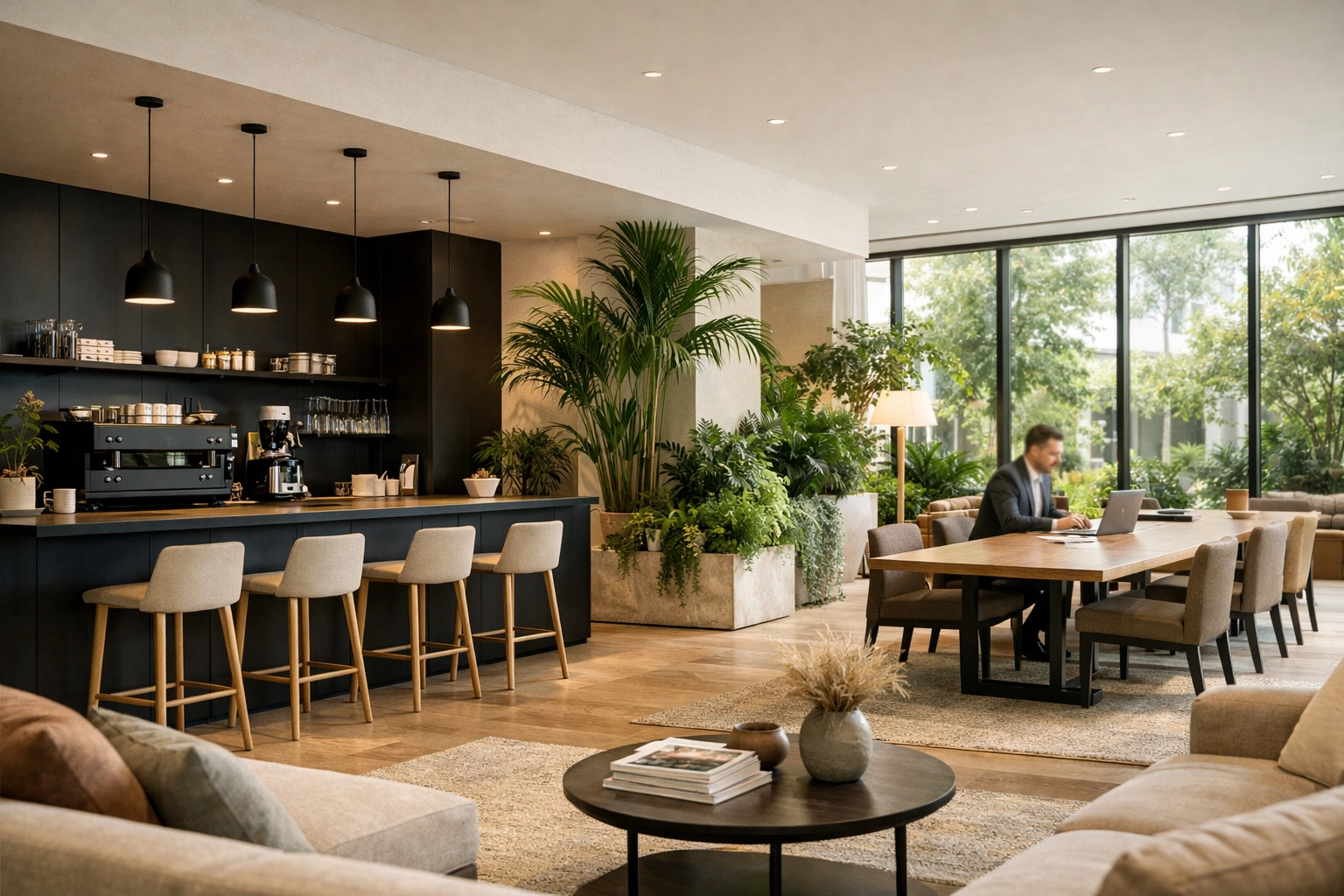
- Monetize your spaces. Can your lobby double as a co-working space for locals during the day?
- Direct booking perks. Give guests a reason to book on your site: like a free welcome drink or a room upgrade: to avoid those hefty OTA commissions.
Automation in revenue management saves roughly 4-6 hours of labor per property each week. That’s nearly an entire workday you get back.
Sustainability: Not a Trend, a Requirement
In 2026, sustainability is no longer a "nice-to-have" section in your brochure. It’s a core operational requirement. Eco-conscious guests are actively filtering for hotels that take environmental responsibility seriously.
But being green is also good for your bottom line. Energy-efficient systems, like motion-sensor lighting and smart thermostats, significantly reduce overhead costs.
Green wins for boutique hotels:
- Eliminate single-use plastics. High-end, refillable glass bottles are more "boutique" than plastic anyway.
- Smart HVAC. Use integrated tech to turn down the heat or AC when the PMS shows the guest has checked out.
- Local food loops. Source your kitchen ingredients from within a 50-mile radius to reduce your carbon footprint and support the community.
The Future is Personal
Boutique hotel management in 2026 is a balancing act. On one side, you have the need for radical efficiency and data-driven decisions. On the other, you have the human need for connection, storytelling, and "soul."
The properties that will win are the ones that use technology to become more human, not less. By automating the mundane, you free up the space for the magic: the unexpected gift, the perfectly timed recommendation, the feeling of being truly seen.
Success is about moving fast, staying agile, and keeping the guest at the center of every single decision.
Ready to see what a modern, innovative platform can do for your property? It’s time to move away from legacy systems and into the future of hospitality.
Leave a Reply