
So, you’ve decided to take the plunge into the world of home brewing. Welcome! We think it’s one of the most rewarding hobbies you can pick up. There is something truly special about waking up, weighing out some beautiful single-origin beans, and crafting a cup of coffee that rivals, or even beats, your local specialty cafe.
But we know it can be a bit intimidating at first. Between the jargon, the endless gadgets, and the scientific variables, where do you even start? Don't worry, we’ve got your back. At Limini Coffee, we believe that great coffee should be accessible to everyone, whether you're a seasoned barista or just starting your journey.
In this guide, we’re going to walk you through everything you need to succeed with specialty coffee at home. We’ll cover the "Golden Rules," explore the best brewing methods, and give you the tips you need to troubleshoot your brew like a pro.
Ready? Let's get brewing. And if you’re looking for the best starting point, you can find our freshly roasted coffee beans right here.
The Golden Rules of Home Brewing
Before we look at specific equipment, we need to talk about the fundamentals. You can have a £3,000 espresso machine, but if you ignore these basics, your coffee will still taste… well, disappointing.
1. Freshness is Everything
Coffee is a fresh agricultural product. Once it’s roasted, the clock starts ticking. We recommend using beans that were roasted within the last 4 weeks. Once you open a bag, try to use it within two weeks for the best flavour profile.
And please, grind your beans immediately before you brew! As soon as you grind coffee, the surface area increases dramatically, and those lovely volatile aromatics start to disappear. A burr grinder is your best friend here, it ensures a consistent particle size, which is essential for an even extraction.
2. Water Quality Matters
Coffee is roughly 98% water. If your tap water tastes like chlorine or is incredibly "hard" (full of minerals), your coffee will suffer. Hard water can make coffee taste dull and chalky, while very soft water can make it taste overly acidic and sharp.
We recommend using filtered water. Aim for a temperature between 92 °C and 96 °C (about 197 °F to 205 °F). If you don’t have a temperature-controlled kettle, just bring the water to a boil and let it sit for about 30 to 60 seconds.
3. Use a Scale (Yes, Really)
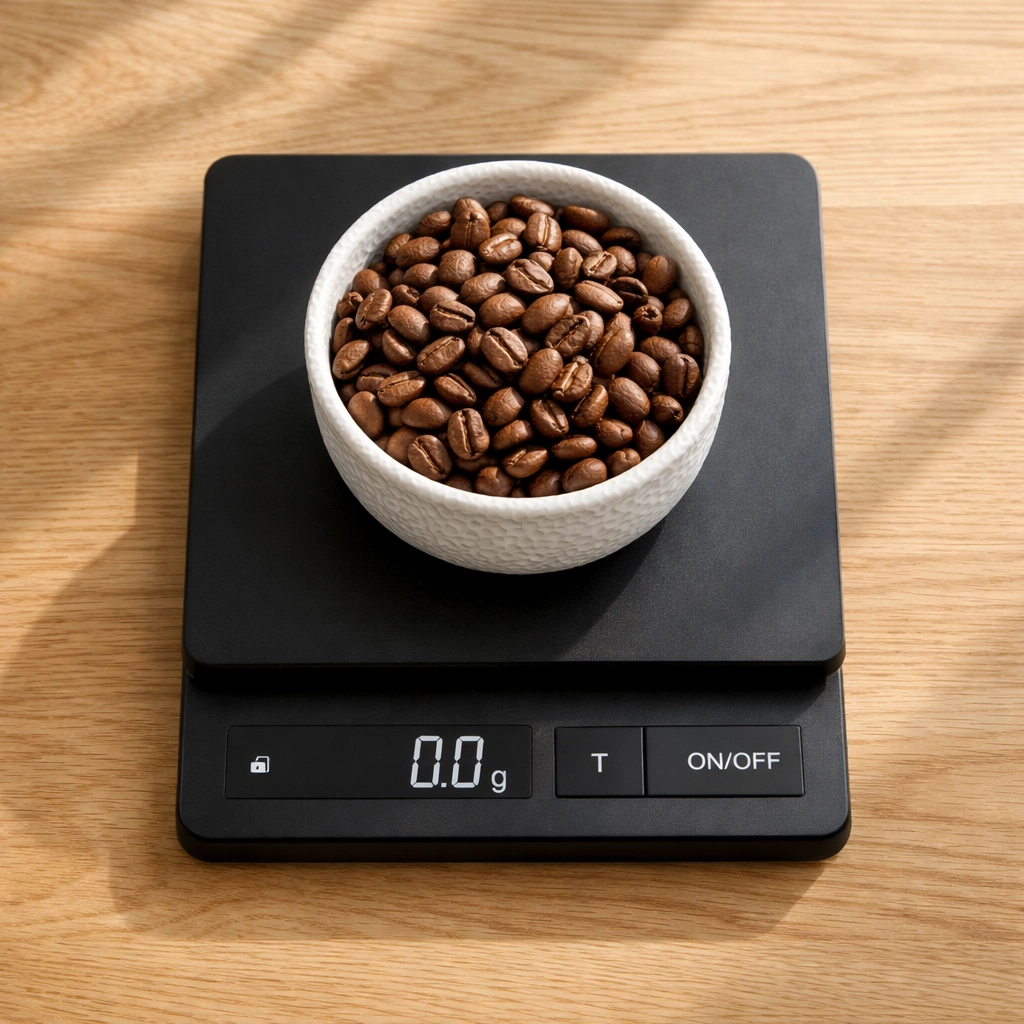
We know, it feels a bit "mad scientist" to weigh your coffee and water, but it’s the only way to be consistent. A "scoop" of coffee can vary in weight by several grams depending on the bean size and roast level. Using a scale allows you to hit the same brew ratio every single time.
Choosing Your Method: Which Brewer is Right for You?
Not all brewing methods are created equal. Some highlight the delicate, tea-like floral notes of an Ethiopian Yirgacheffe, while others produce a heavy, syrupy body that’s perfect for a rainy morning.
The Pour Over (V60, Chemex, Kalita)
Best for: Clarity, brightness, and tasting the unique "terroir" of single-origin coffees.
Skill Level: Intermediate.
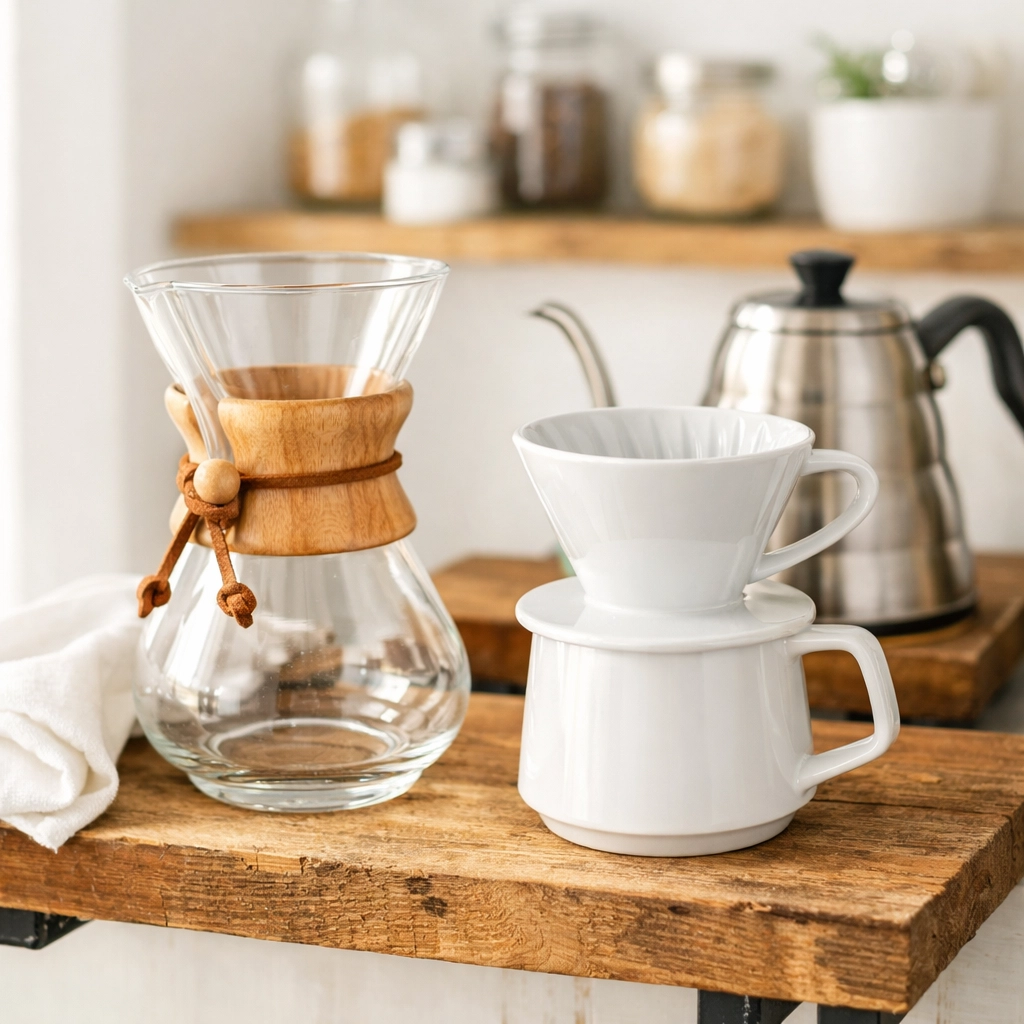
The pour-over is a "percolation" method, meaning water passes through a bed of coffee and a paper filter. This filter catches most of the oils and fine particles, resulting in a very clean cup.
- The Ratio: We usually recommend a 1:16 ratio (e.g., 15g of coffee to 240g of water).
- The Grind: Medium-fine, like table salt.
- The Secret: The "bloom." Pour about 30g of water over your grounds and wait 30 seconds. You’ll see bubbles, this is CO2 escaping, which allows the rest of the water to extract the flavour more effectively.
The French Press (Cafetière)
Best for: Bold body, rich mouthfeel, and ease of use.
Skill Level: Beginner.
The French Press is an "immersion" method. The coffee sits in the water for the entire brew time. Because the mesh filter is coarser than paper, more oils and "fines" end up in your cup, giving it that classic heavy texture.
- The Ratio: 1:12 or 1:15 depending on how strong you like it.
- The Grind: Coarse, like sea salt or breadcrumbs.
- The Tip: Don't press immediately at 4 minutes. Break the "crust" with a spoon, let the bits settle for another couple of minutes, then press gently. It makes for a much cleaner cup!
The AeroPress
Best for: Versatility, travelling, and indestructible durability.
Skill Level: Beginner to Expert.
We love the AeroPress. You can make anything from a concentrated, espresso-style shot to a clean filter-style coffee. It’s nearly impossible to break and cleans up in seconds. If you’re just starting out, this is often the first piece of kit we recommend picking up along with some Limini beans.
Mastering the Home Espresso
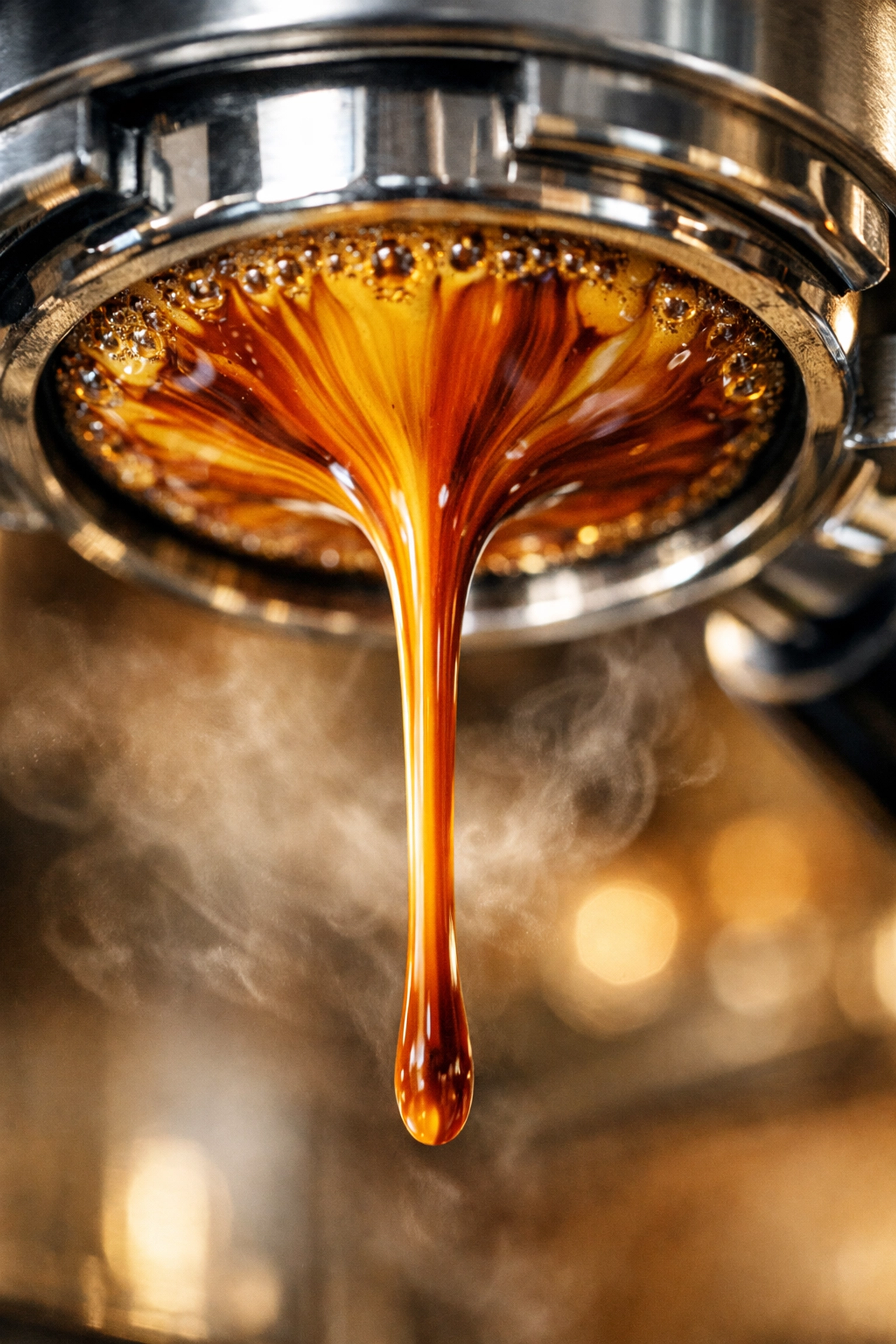
Espresso is the "final boss" of home brewing. It is finicky, demanding, and requires a bit of an investment in gear. However, there is nothing quite like pulling a perfect shot with a thick, tiger-striped crema.
If you’re looking at getting into espresso, we have a whole guide on choosing espresso equipment to help you navigate the world of boilers and group heads.
The Espresso Basics:
- The Dose: Usually 18g to 20g of finely ground coffee in a double basket.
- The Yield: We aim for a 1:2 or 1:2.5 ratio. So, 18g in, 36g to 45g of liquid out.
- The Time: This should take between 25 and 30 seconds.
- The Tamp: You need to compress the coffee evenly. If you tamp at an angle, the water will find the path of least resistance (channeling), and your coffee will taste thin and bitter. You can read more about proper tamping technique here.
Understanding Extraction: Why Does My Coffee Taste Weird?
This is the part where you become a real home barista. If your coffee doesn't taste right, you need to know which "lever" to pull to fix it. We call this balancing your extraction.
- Under-extracted (Sour): If your coffee tastes sharp, salty, or sour, it means the water didn't pull enough out of the beans.
- The Fix: Grind finer, use hotter water, or brew for longer.
- Over-extracted (Bitter): If your coffee tastes bitter, dry, or "ashy," it means the water stayed in contact with the coffee for too long or the grind was too fine.
- The Fix: Grind coarser, use slightly cooler water, or shorten your brew time.
It’s a balancing act! We always suggest changing only one variable at a time. If you change the grind and the temperature at once, you won’t know which one fixed the problem.
The Importance of Maintenance
We hate to be the "clean your room" people, but coffee oils are… well, oily. They go rancid over time. If you don't clean your French Press or backflush your espresso machine, that old, bitter oil will taint every fresh brew you make.
- For Filter Brewers: A simple rinse with hot water and occasional soap is usually enough.
- For Espresso Machines: You should be backflushing with water daily and using a dedicated cleaner weekly. Check out our La Spaziale workings guide if you want to see how the pros maintain their machines.
Why Specialty Coffee?
You might be wondering, "Why go through all this effort? Is it really better than the supermarket stuff?"
The short answer is: Yes.
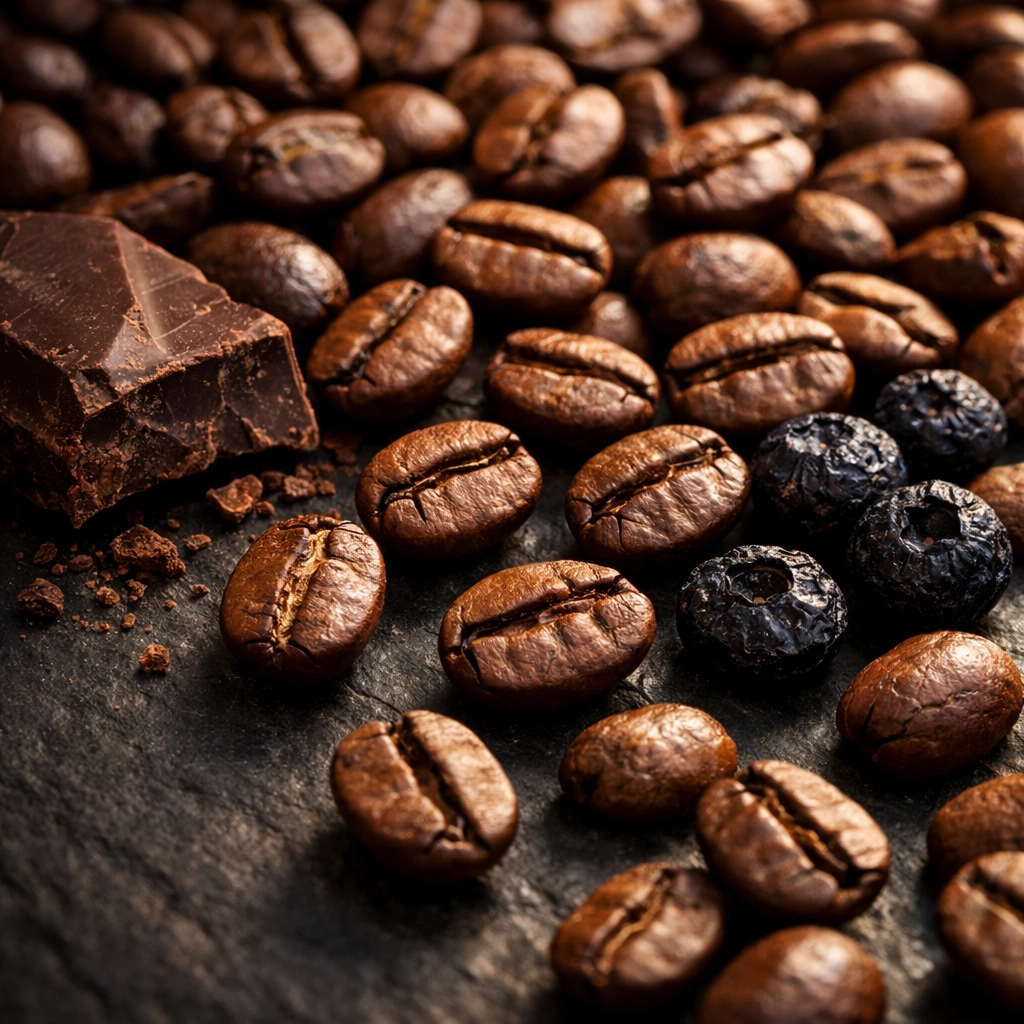
"Specialty Coffee" refers to the top 10% of coffee grown globally. It’s coffee that has been sourced ethically, roasted with precision, and graded 80 points or above on a 100-point scale. When you buy from a roaster like Limini Coffee, you aren't just getting "caffeine": you're getting a flavour profile that includes notes of jasmine, blueberries, chocolate, or stone fruit.
We take great pride in our sourcing process, ensuring that the farmers are paid fairly and the beans are of the highest quality. When you brew these beans at home, you’re honouring all the hard work that went into growing them.
Essential Gear Checklist
If you're looking to build your home coffee station from scratch, here is what we recommend as the "Essential Kit":
- A Burr Grinder: Consistency is king. Avoid blade grinders!
- Digital Scales: Precision to 0.1g is ideal.
- Your Brewer of Choice: AeroPress for beginners, V60 for clarity, or French Press for body.
- A Gooseneck Kettle: Essential for pour-over to control the flow of water.
- Fresh Beans: The most important ingredient. You can grab a bag from our shop here.
Closing Thoughts
Home brewing is a journey, not a destination. You will have days where you pull a perfect, God-shot of espresso, and days where you accidentally pour your V60 onto the counter because you haven't had enough caffeine yet. It’s all part of the fun!
The most important thing is to experiment. Try different ratios, try different beans, and most importantly, enjoy the process. If you ever find yourself stuck or want to level up your skills even further, we offer comprehensive barista training that’s perfect for home enthusiasts.
So, go ahead: put the kettle on, weigh out those beans, and start brewing. We can't wait to hear how you get on.
And remember, the best cup of coffee is the one you enjoy the most. Happy brewing!
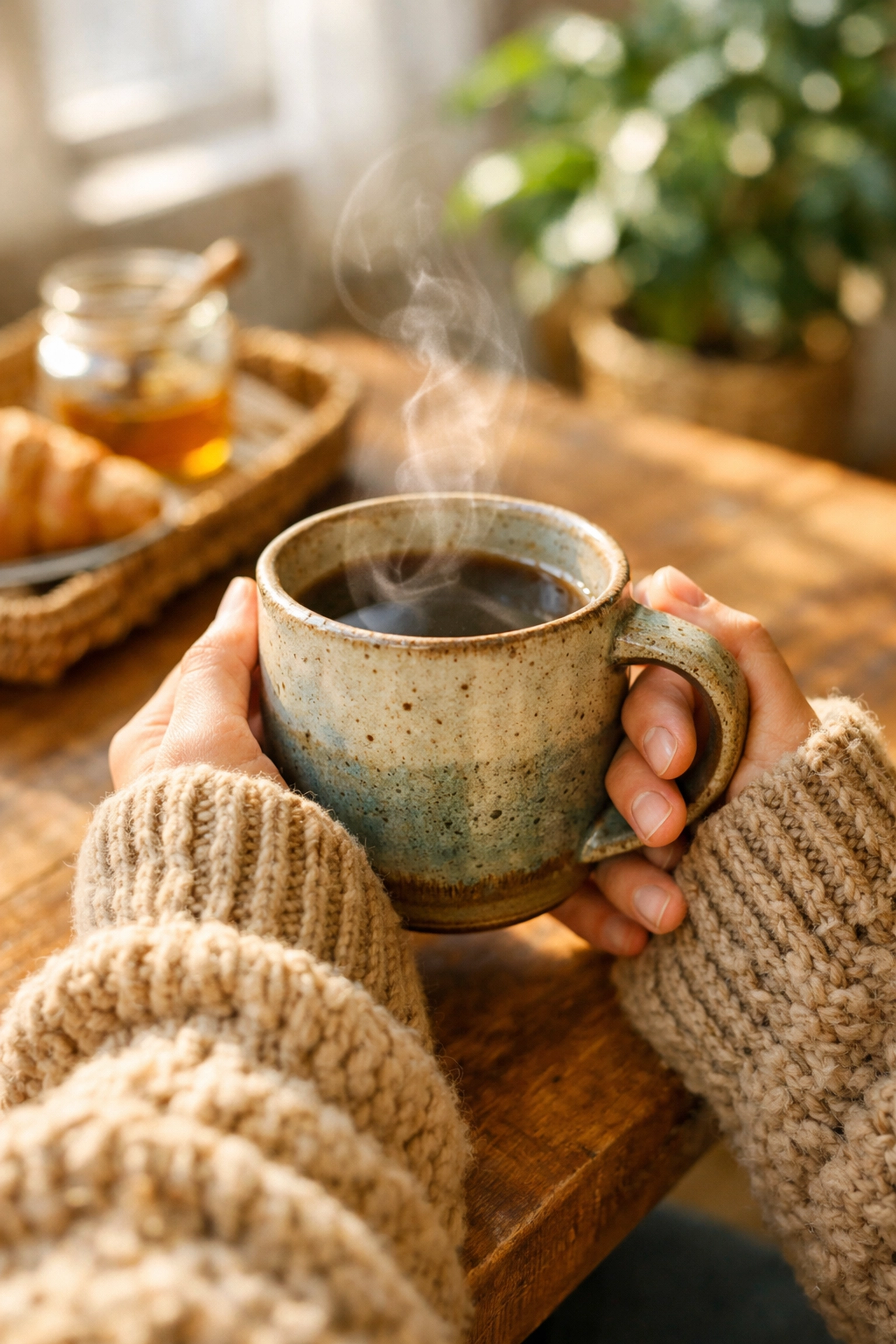
Want to stay updated with more brewing tips and single-origin reviews? Check out our full range of coffee and gear at Limini Coffee.
Leave a Reply