So, you’ve decided to take the plunge. You want to open a coffee shop. It’s a dream many share: the aroma of freshly roasted beans, the hiss of the steam wand, and a community of locals calling your space their "third home." But let’s be honest for a second: opening a café is about much more than just loving coffee. It’s a complex puzzle of logistics, branding, and, most importantly, finding the right partners to support your journey.
At Limini Coffee, we’ve helped hundreds of startups find their feet. We’ve seen what works, what fails, and what makes a customer come back for that second (or third) latte. Whether you are just sketching ideas on a napkin or you’ve already secured a lease, this guide is designed to walk you through every critical step. And if you’re looking for a partner to provide not just beans but a full support system, you can check out our wholesale coffee options here.
Defining Your Concept: Who Are You?
Before you buy a single teaspoon, you need to know what your shop stands for. Are you a high-speed "grab-and-go" spot near a train station? Or a slow-paced, artisanal sanctuary where people spend hours with a book?
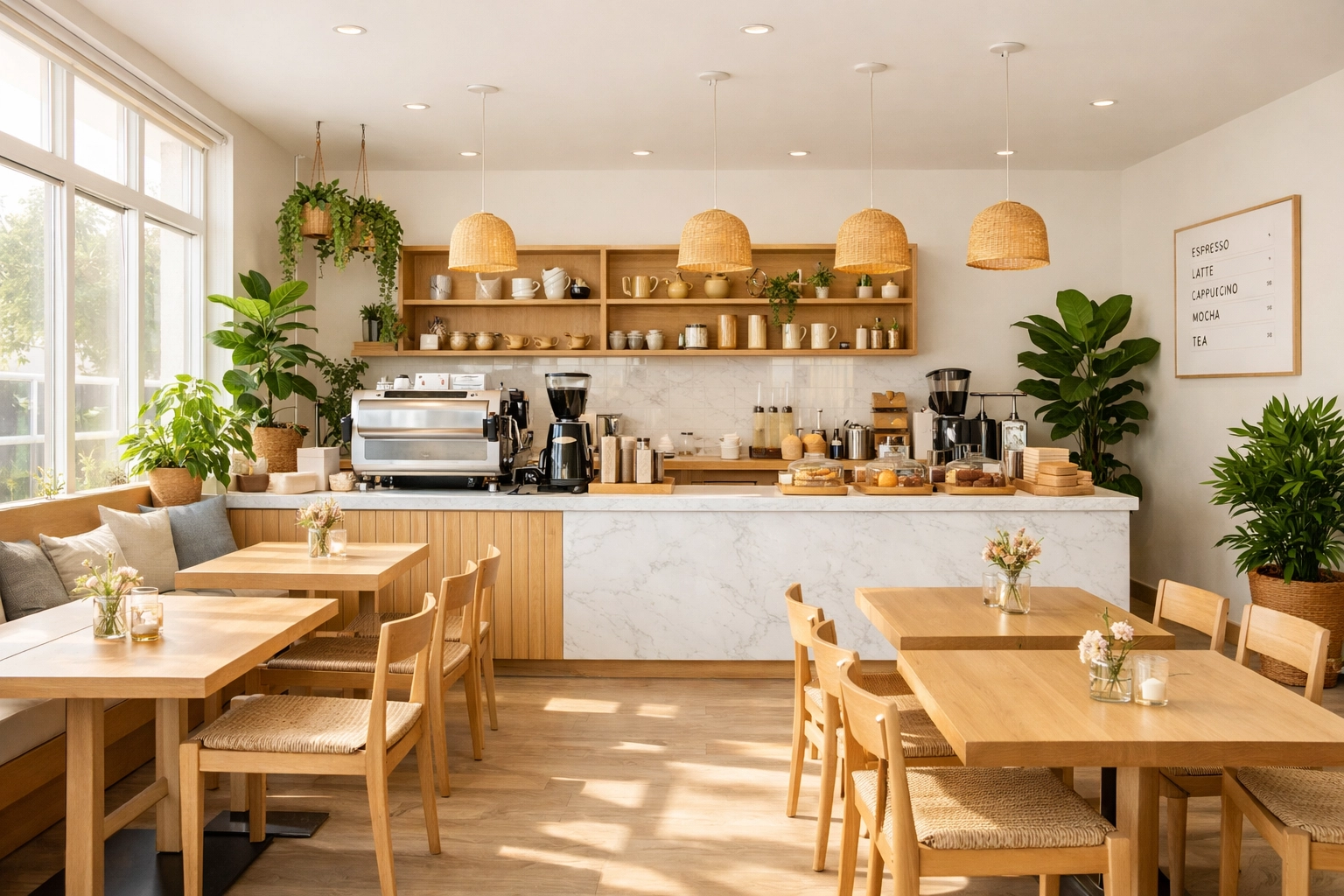
Your concept dictates everything: from the furniture you choose to the coffee cups you serve in. Think about your "vibe." Is it industrial and minimalist? Or warm, rustic, and cozy? We believe your brand identity should be a reflection of your passion. If you don't care about it, your customers won't either.
Niche down. Don't try to be everything to everyone. Maybe you specialize in vegan treats, or perhaps your USP is that you use the most incredible wholesale specialty coffee in the region.
Market Research: Don’t Guess, Know
You might think your neighborhood needs a specialty café, but do the numbers agree? Market research is about removing the guesswork.
- The Target Audience: Are you serving office workers who need caffeine at 8:00 AM sharp? Or parents on a school run? Your opening hours and menu should cater to them.
- Competitor Analysis: Visit every coffee shop within a mile. What are they doing well? Where are they dropping the ball? Maybe they have great coffee but terrible seating. That’s your gap.
- Foot Traffic: Stand outside your potential location at different times of the day. Count the people walking by. If the street is a ghost town at 10:00 AM, you might struggle.
Choosing the Right Partners: Wholesale Coffee Roasters
This is perhaps the most important decision you will make. Your coffee supplier isn't just someone who sends you boxes of beans; they are your primary business partner. When searching for coffee suppliers, don't just look at the price per kilo. Look at the support they offer.
We think a great wholesale coffee roaster should provide:
- Consistency: The coffee needs to taste the same every single time.
- Freshness: Coffee is a fresh product. We believe "fresh is best," and your beans should be roasted to order.
- Expertise: Can they help you with your equipment? Do they offer training?
- Relationship: You want someone who answers the phone when you have a crisis on a Saturday morning.
At Limini Coffee, we pride ourselves on being more than just a supplier. We are a support system for your business. You can learn more about how we work with wholesale partners here.
The Legal Stuff: Permits and Licenses
It’s the least "sexy" part of opening a shop, but ignoring it will shut you down faster than a broken espresso machine. You’ll need to navigate:
- Zoning Laws: Is your building actually allowed to be a café?
- Health and Safety: You’ll need a visit from the environmental health officer. They want to see clean surfaces, proper refrigeration, and hand-washing stations.
- Insurance: Public liability, employers' liability, and building insurance are non-negotiable.
- Music Licenses: If you want to play music (and you definitely do), you’ll need a license for that too.
Designing Your Layout and Shop Fitting
A beautiful café is great, but a functional one is better. Your baristas need to be able to move efficiently. This is what we call the "workflow."
Imagine the journey of a coffee bean: from the grinder to the machine, to the milk, to the customer. If your barista has to cross the shop to get milk, you’re losing time and money. We recommend looking into shop fitting and building early in the process to ensure your plumbing and electrics are exactly where they need to be.
Don’t forget the "theatre" of coffee. Customers love watching the process. Position your machine so they can see the magic happen, but not so it blocks your conversation with them. You can read more about creating theatre in your shop here.
Equipment: Your Tools of the Trade
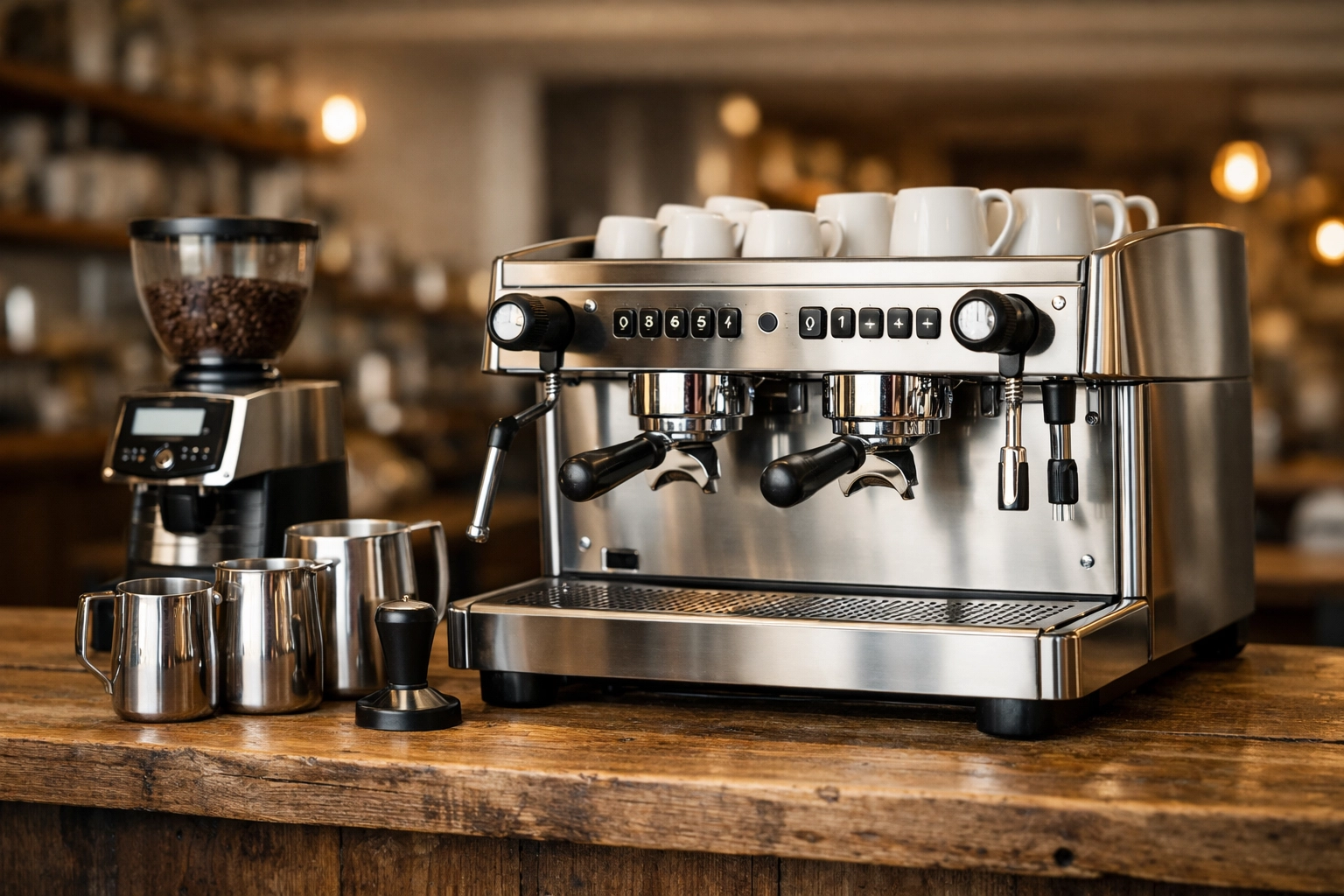
Your espresso machine is the heart of your business. It’s tempting to go for the cheapest option, but remember: this machine needs to perform 100+ times a day, every day.
We are big fans of La Spaziale machines. They use a unique steam-heat exchange system that provides incredible thermal stability. Whether you are looking at the La Spaziale S15 or a more traditional lever machine, quality matters.
Essential equipment list:
- Commercial Espresso Machine: Look for stability and ease of use.
- High-Quality Grinder: Honestly, the grinder is just as important as the machine. If the grind isn't consistent, the coffee won't be either.
- Water Filtration: UK water can be hard on machines. A good filter protects your investment and makes the coffee taste better.
- Milk Pitchers and Tampers: Small tools that make a big difference. Check out our guide on proper tamping technique.
If you’re feeling overwhelmed by the choices, our guide on choosing espresso equipment is a great place to start. And of course, we can supply and install everything you need via our wholesale service.
Developing Your Menu
Keep it simple to start. A massive menu usually leads to waste and slow service. Focus on doing the classics perfectly.
- The Basics: Espresso, Macchiato, Flat White, Latte, Cappuccino. Not sure of the difference? We’ve broken it down here.
- Milk Options: You absolutely must have high-quality dairy and at least two alternative milks (Oat and Soya are the standards). Understanding how milk interacts with coffee is key to that glossy microfoam.
- Food: Pastries, cakes, and simple sandwiches work wonders for your average transaction value.
Barista Training: The Human Element
You can have the best beans from the best wholesale coffee roaster and a £10,000 espresso machine, but if your barista doesn't know how to dial in the grind, the coffee will be mediocre.
Training is an ongoing investment. It’s about understanding extraction, mastering the "crema" (more on what crema actually is here), and providing top-tier customer service. We offer comprehensive barista training to ensure you and your staff are confident from day one.

The Financials: Counting the Beans
Let’s talk numbers. You need to know your margins. How much does a single latte cost you to produce? (Hint: Use our brewing calculator to help with your ratios).
Include everything:
- Coffee beans
- Milk (including the 10-20% wasted during steaming)
- Disposable cups and lids
- Staff wages
- Rent, rates, and utilities
Most coffee shops fail because they run out of cash, not because they run out of customers. Have a "buffer" of at least three to six months of operating costs in the bank before you open.
Launching Your Shop
Don't just flip the sign to "Open" and hope for the best.
- The Soft Launch: Invite friends, family, and local business owners for a free coffee a few days before the official opening. This is a "stress test" for your equipment and your staff.
- The Grand Opening: Make a splash. Use social media, local press, and maybe even some live music to draw people in.
- Feedback: Listen to your first customers. If everyone says the music is too loud or the chairs are uncomfortable, fix it immediately.
Final Thoughts
Setting up a coffee shop is a marathon, not a sprint. It’s hard work, but seeing a line of happy customers out the door makes it all worth it.
We believe that with the right passion and the right partners, anyone can succeed in this industry. If you’re ready to start your journey and need a hand with wholesale specialty coffee, equipment, or training, we’d love to chat. You can find everything we offer at Limini Coffee.
Opening a shop is a big step, but you don't have to do it alone. Let’s brew something great together. 🙂
Leave a Reply