So you're thinking about opening a coffee shop. Maybe you've been dreaming about it for years, or perhaps you've just realized the world needs another place serving proper specialty coffee. Either way, you're about to embark on one of the most rewarding (and challenging) ventures in the hospitality world.
Let's be honest, opening a coffee shop isn't just about serving great coffee. Though that's obviously crucial. It's about creating a business that works, finding the right wholesale coffee suppliers, managing costs, and building something sustainable. We've seen plenty of cafés launch with passion but without a solid plan, and it rarely ends well.
This guide walks you through everything you need to know, from sourcing your beans to unlocking those doors on day one.
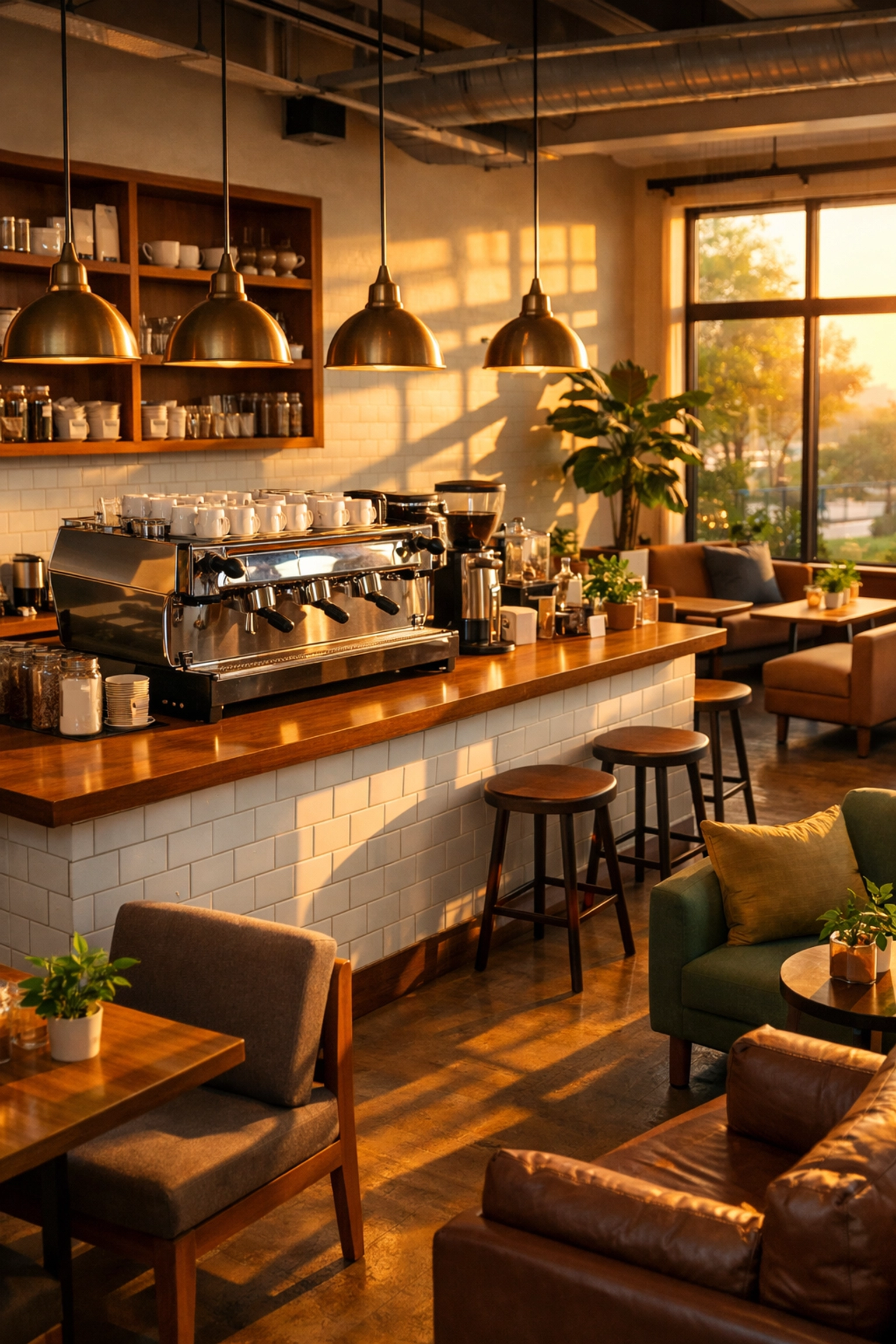
Start With Your Vision (And Make It Specific)
Before you do anything else, you need to know exactly what kind of coffee shop you're opening. And "a nice place that serves good coffee" isn't specific enough.
Are you creating a community hub with comfortable seating, Wi-Fi, and weekend events? Or a fast-paced grab-and-go spot for commuters who want quality but need speed? Maybe you're focusing on sustainability, or perhaps you want to showcase single-origin offerings from specific regions.
Your concept needs at least one clear differentiator. What makes you different from the established café down the street? This could be your coffee sourcing story, your approach to customer service, a unique menu offering, or your commitment to barista education.
Figure this out first. Everything else flows from this decision.
The Business Plan You Actually Need
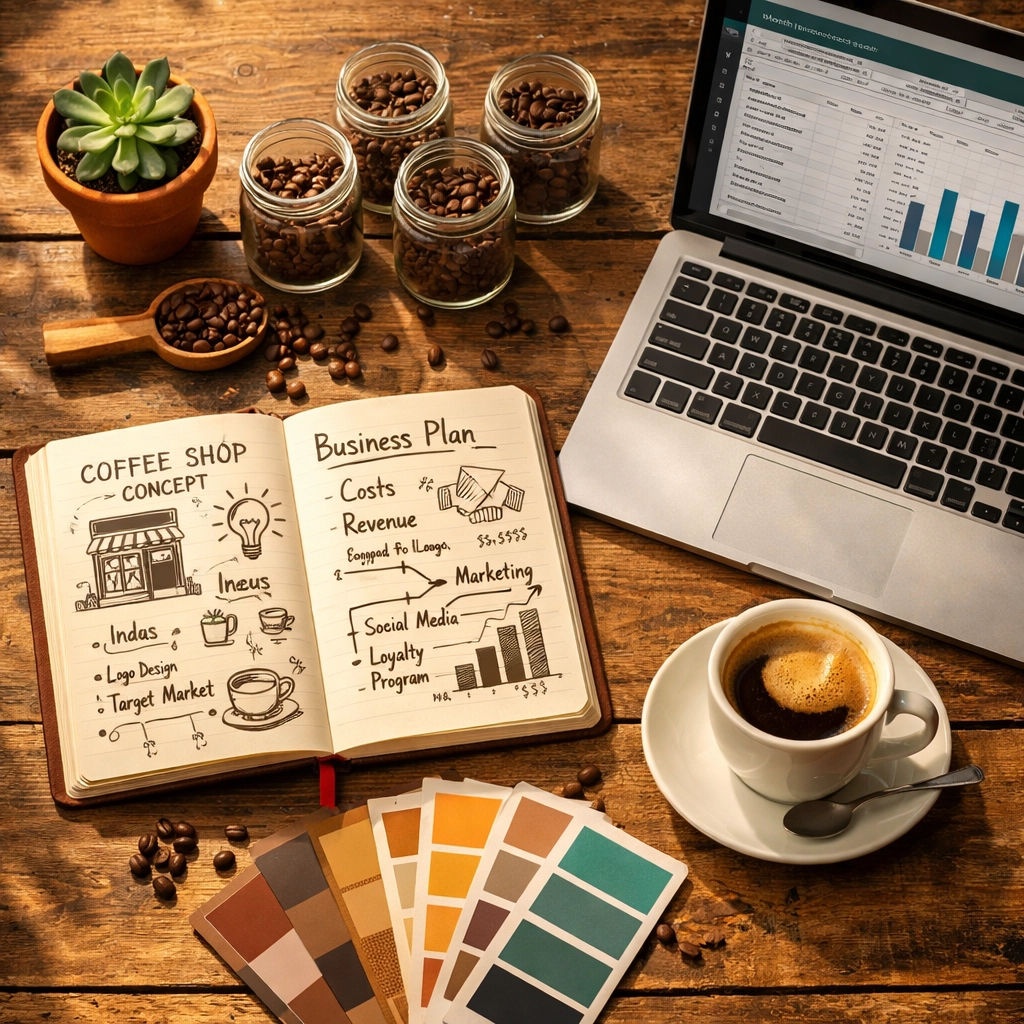
Right, let's talk about business plans. You've probably heard you need one, and you definitely do, especially if you're seeking funding. But it doesn't need to be a 50-page academic document. It needs to be thorough, realistic, and actually useful.
Your business plan should cover:
Your Executive Summary – Think of this as your elevator pitch in writing. What are you opening, why does it matter, and what makes it unique? Keep it to one page.
Market Analysis – Who are your customers? Office workers grabbing morning coffee? Students studying for hours? Local residents wanting a community space? And critically, who's your competition? Visit every coffee shop within a mile radius. Understand what they do well and where the gaps are.
Your Menu and Pricing – What are you serving, and at what price points? Your menu needs to reflect your concept while remaining profitable. And yes, you need to think about your wholesale coffee suppliers now, because bean costs significantly impact your pricing strategy.
Financial Projections – We'll get into the numbers shortly, but you need realistic projections for at least three years. Include startup costs, monthly operating expenses, and revenue forecasts. Be conservative. Extremely conservative.
Marketing Strategy – How will people discover you before and after launch? Social media matters, but don't underestimate traditional methods like local partnerships, community events, and simply being present in your neighborhood before opening day.
Location Matters More Than You Think
You've heard it before, location, location, location. But what does that actually mean for a coffee shop?
For a beginner operation, we're talking about 800 to 1,200 square feet. Enough space to work efficiently without overwhelming yourself or your budget. When evaluating potential spaces, consider:
-
Foot Traffic – High traffic is great, but only if they're your target customers. A busy office district is perfect for weekday morning trade but might be dead on weekends.
-
Accessibility and Parking – Can people actually get to you? Is there parking or good public transport links?
-
Infrastructure – This is crucial. You need proper electrical capacity (commercial espresso machines pull serious power), water supply, drainage, and ventilation. Get an inspector to verify the space is suitable before signing anything.
-
Rent – Your rent shouldn't exceed 10-15% of your projected revenue. If the numbers don't work, walk away. There will be other spaces.
Competition in the immediate area isn't necessarily bad, it proves there's demand for coffee. But you need to offer something distinctly different.
Choosing Your Coffee Suppliers (This Is Where It Gets Good)
Let's talk about arguably the most important decision you'll make: who roasts your coffee.
Your wholesale coffee roaster isn't just a supplier, they're a partner. The right roaster provides quality beans, yes, but they should also offer training, equipment support, and ongoing technical assistance. This is especially vital if you're new to the specialty coffee world.
When evaluating coffee suppliers, ask yourself:
-
Do they offer comprehensive barista training? Proper training makes the difference between serving mediocre coffee and exceptional coffee.
-
What's their sourcing story? Can they tell you where their beans come from, how they're processed, and why they've chosen those particular coffees?
-
Do they provide equipment support? Some roasters, like Limini Coffee, offer complete packages including equipment supply, installation, and ongoing maintenance support.
-
What's their minimum order quantity? Can they scale with you as you grow?
-
Are they responsive? You'll have questions, equipment issues, and occasional panic moments. Your roaster should be accessible and helpful.
We're obviously biased, but we believe in building genuine partnerships with the cafés we work with. It's not just about selling beans, it's about setting you up for long-term success. That means proper training, equipment guidance, and being there when things go wrong (because occasionally, they will).
Equipment and Operations (The Practical Stuff)
Your equipment list depends entirely on your menu complexity. Serving straight espresso drinks and filter coffee? Your needs are relatively straightforward. Adding complicated signature drinks or food? You'll need more kit.
Essential equipment includes:
-
Espresso Machine – This is your biggest single investment. For a new café, you're looking at a two or three group commercial machine. Understanding how to choose the right equipment is crucial.
-
Grinders – You need separate grinders for espresso and filter coffee. Never compromise on grinder quality. Ever.
-
Brewing Equipment – Depending on your offering: pour-over stations, batch brewers, or cold brew systems.
-
Refrigeration – For milk, food, and cold beverages.
-
Small Wares – Cups, pitchers, tampers, scales, timers, cleaning supplies, knock boxes… the list is long.
-
Point of Sale System – A modern POS that tracks inventory, sales, and labor costs.
Beyond equipment, establish your operational procedures early. How will you open and close? What are your cleaning protocols? How do you handle the morning rush versus quiet afternoon periods? Document everything.
The Numbers (Let's Be Realistic)
Coffee shops with seating typically cost between £80,000 and £280,000 to start (roughly $100,000 to $350,000). That's a significant investment, so let's break down where the money goes:
Major Startup Costs:
- Equipment purchases and installation
- Shopfitting and renovations
- Initial inventory (beans, milk, syrups, to-go supplies, food if applicable)
- Permits, licenses, and insurance
- Three to six months of operating expenses as a buffer
- Marketing and branding
- Contingency fund (add 15-20% to your total estimate)
Ongoing Monthly Costs:
- Rent and utilities
- Staff wages (usually your biggest ongoing expense)
- Coffee and other inventory
- Equipment maintenance
- Insurance
- Marketing
- Loan repayments if applicable
Your coffee cost should be roughly 15-20% of your drink price. If you're charging £3.50 for a cappuccino, your coffee cost should be around 50-70p. This is why choosing the right wholesale coffee roaster matters, you need consistent quality at a price that maintains healthy margins.
Funding options include self-funding through savings, small business loans, investor partnerships, or occasionally crowdfunding. Most new café owners use a combination of personal investment and bank financing.
The Legal Bits You Can't Skip
Nobody opens a coffee shop because they love paperwork, but these legal requirements aren't optional:
- Register your business structure (we generally recommend an LLC for liability protection and tax flexibility)
- Obtain your Employer Identification Number (EIN)
- Business license (requirements vary by location)
- Food service license
- Seller's permit for sales tax
- Food handler's permits for all staff members
- Verify zoning allows food service operations
- Public liability insurance
- Employer's liability insurance if you have staff
Set up a separate business bank account immediately. Never mix personal and business finances. Trust us on this one.
The process varies significantly by location, so check with your local council or small business administration for specific requirements in your area.
Building Your Team
You can't do this alone. Well, you technically can, but you'll burn out within six months.
Your team makes or breaks the customer experience. Hire people who genuinely care about coffee and customer service. Experience is valuable, but attitude and willingness to learn matter more. You can teach someone how to pull espresso shots; you can't teach them to be kind to customers.
Invest properly in training. Your staff should understand basic coffee theory, espresso extraction principles, milk technique, and customer service. Good wholesale coffee roasters will help with this training: it's in everyone's interest that your baristas can showcase the coffee properly.
Create clear job descriptions, establish fair wages, and build a positive work culture. The coffee industry has historically struggled with staff retention because of low pay and poor conditions. Be better than that.
Getting Ready to Launch
Start marketing before you open. Build anticipation through social media, engage with the local community, and create buzz around your launch date.
Consider hosting a soft opening for friends, family, and local influencers before your official launch. This lets you identify operational issues in a lower-pressure environment. You'll discover your espresso machine takes longer to warm up than expected, your POS system needs tweaking, or your workflow needs adjustment. Better to figure this out before the official opening day rush.
Plan a proper launch event. Free coffee samples, local partnerships, live music: whatever fits your brand and budget. The goal is creating memorable first impressions and encouraging people to return.
Document everything. Take photos, share your journey, and build your story. People connect with authenticity and passion.
So, Are You Ready?
Opening a coffee shop is genuinely challenging. The hours are long, the margins are tight, and the work is physically demanding. But if you do it right: with a solid plan, the right partners, and genuine passion: it's also incredibly rewarding.
Choose your coffee suppliers carefully, invest in proper training, understand your numbers, and never compromise on quality. The specialty coffee community is supportive and collaborative. Reach out to other café owners, ask questions, and learn from those who've gone before you.
And remember, success isn't about being perfect from day one. It's about building something sustainable, creating genuine connections with your customers, and continuously improving your craft.
If you're looking for a wholesale coffee roaster who genuinely supports café startups, we'd love to chat. We're not just about selling beans: we're about helping you build something brilliant.
Now, let's get brewing.
Leave a Reply