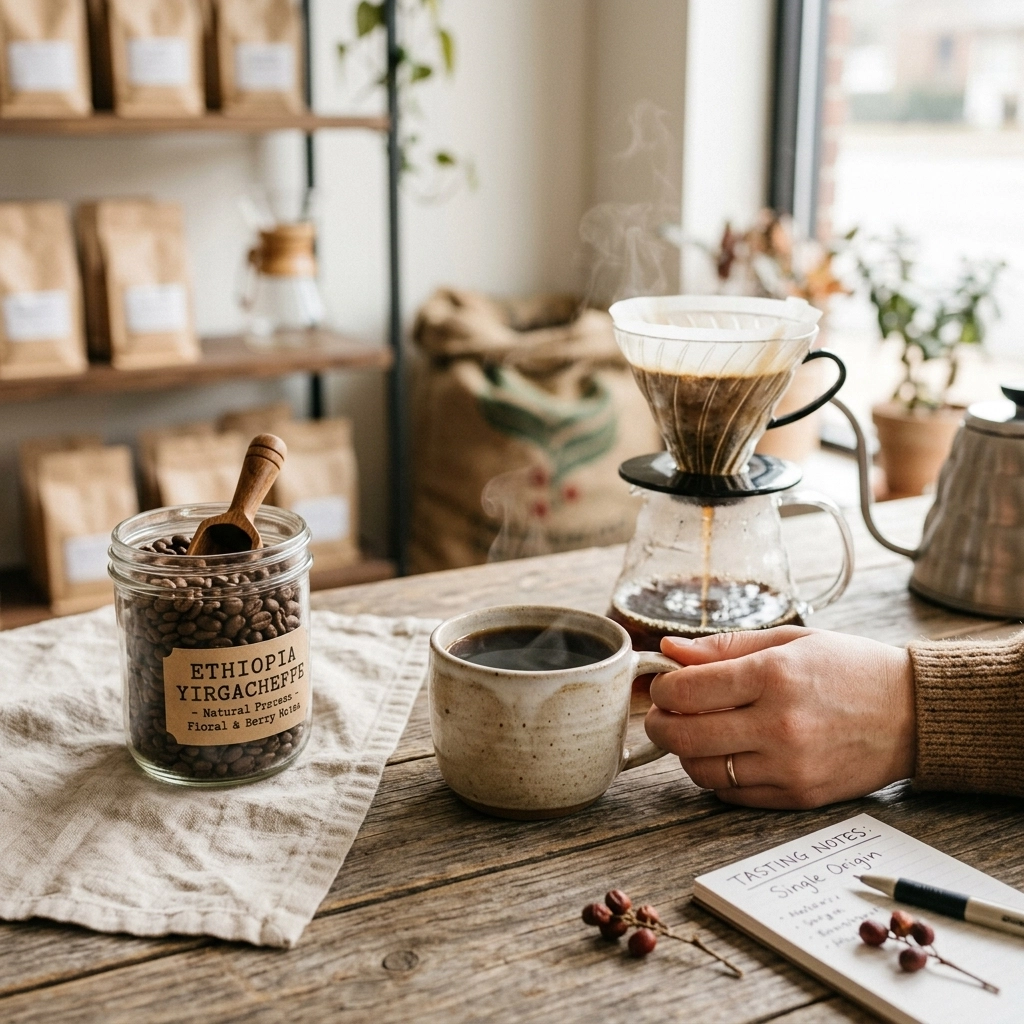
So, you’ve probably heard the term "single origin" tossed around your local coffee shop or seen it plastered all over the bags at the grocery store. It sounds fancy, right? A bit elite, maybe even a little intimidating. You might be wondering if you need a specialized degree or a perfectly manicured mustache to really "get" it.
Well, we have some good news for you. Single origin coffee isn't about being a snob. In fact, it’s the exact opposite. It’s about getting closer to the source, understanding where your morning brew actually comes from, and: most importantly: enjoying some seriously incredible flavours that you just can't get anywhere else.
At Limini Coffee, we believe that great coffee should be accessible to everyone, whether you’re brewing in a high-end espresso machine or a trusty old cafetière. So, let's pull back the curtain and dive into everything you need to know to master the world of single origin beans.
What Exactly is Single Origin Coffee?
Let’s start with the basics. What are we actually talking about here?
Simply put, single origin coffee is coffee that comes from one specific place. Now, "place" can be a bit of a broad term. It might mean a single country (like Ethiopia or Colombia), a specific region within that country, or even a single farm or estate. In the world of speciality coffee, we often take it a step further to "micro-lots," which are beans harvested from a specific plot of land on a farm during a specific time of year.
Why does this matter? Traceability.
When you buy a blend, you’re getting a mix of beans from various locations, usually chosen to create a consistent, repeatable flavour profile. There’s absolutely nothing wrong with a good blend: we love them for their reliability. But single origin coffee is about celebrating the unique "terroir" of a specific location.
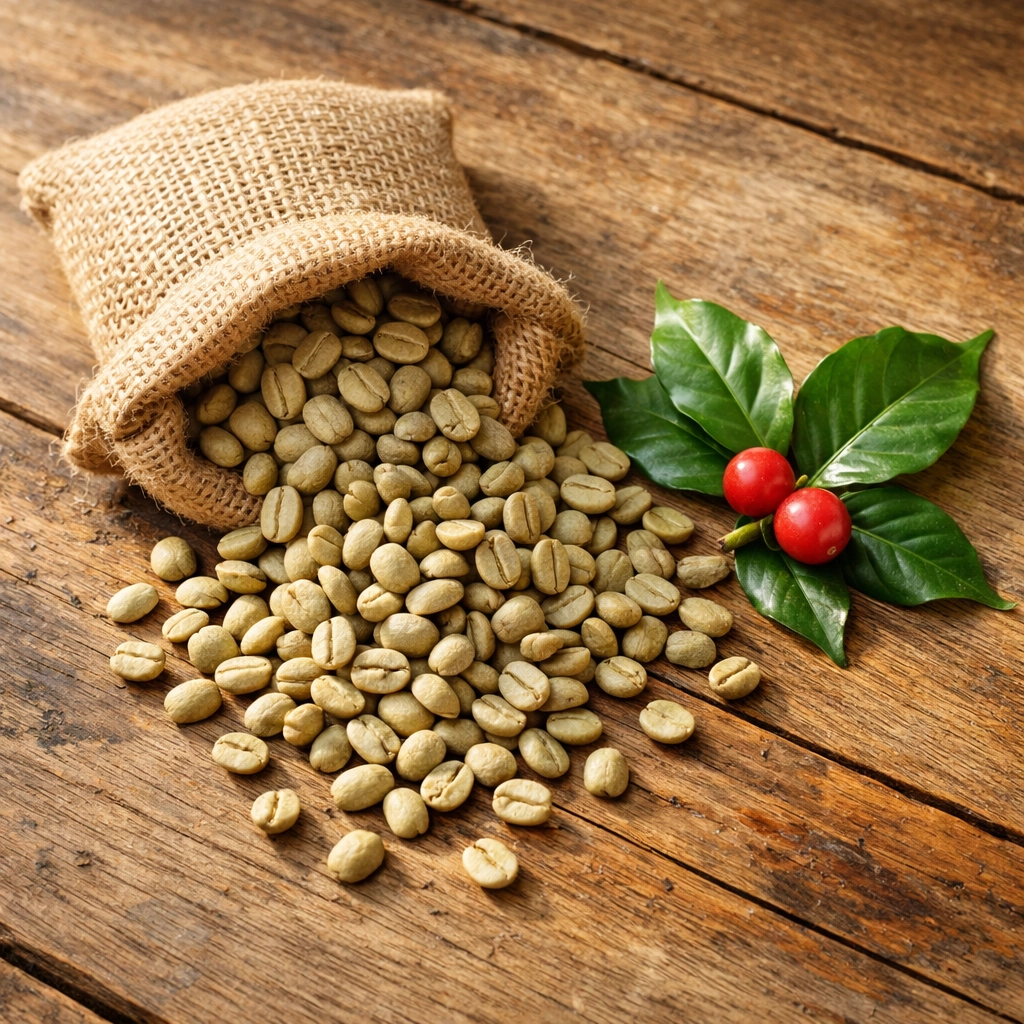
Terroir (a fancy French word we’ve borrowed from the wine world) refers to how the soil, climate, altitude, and even the surrounding vegetation affect the taste of the coffee cherry. When you drink a single origin, you’re tasting a specific moment and place in time.
The Flavour Map: A Whirlwind Tour
If you’re just starting your single origin journey, the sheer variety of flavours can be overwhelming. To help you out, we’ve broken down the general characteristics of some of the world’s most famous coffee-producing regions. Keep in mind, these are generalities: every farm is different: but they’re a great starting point for your taste buds.
Africa: The Bright and Floral
If you like coffee that tastes like tea, flowers, or a basket of fresh berries, African single origins are for you.
- Ethiopia: Often considered the birthplace of coffee, Ethiopian beans are famous for their blueberry, jasmine, and citrus notes. They are usually light-bodied and incredibly fragrant.
- Kenya: Known for a bold, wine-like acidity and juicy flavours like blackcurrant and grapefruit.
The Americas: The Crowd Pleasers
These are often the most "approachable" single origins because they tend to have that classic coffee taste we all know and love, but with a refined twist.
- Colombia: Expect a beautiful balance of acidity and sweetness. You’ll often find notes of caramel, nuts, and a gentle citrus finish. You can learn more about how we think about these beans in our section on sourcing our coffee.
- Brazil: Usually lower in acidity with a heavy body. Think chocolate, peanut butter, and toasted nuts. These make for incredible espresso.
Asia: The Earthy and Bold
If you prefer something deep, dark, and spicy, look toward Southeast Asia.
- Sumatra: Known for an earthy, herbal, and almost woody flavour profile. They are very low in acidity and have a thick, syrupy mouthfeel.
How to Choose the Right Beans (Without Losing Your Mind)
Walking into a shop or browsing online can feel like a minefield. Here is our "cheat sheet" for picking the best beans for your home setup.
1. Check the Roast Date
This is non-negotiable. Coffee is a fresh produce item. For single origins, you generally want to hit the "sweet spot" between 7 and 21 days after roasting. If a bag doesn't have a roast date, put it back. You can find our latest, freshest roasts at Limini Coffee.
2. Read the Flavour Notes
Roasters include these to give you a hint of what to expect. If you see "lemon and floral" and you hate sour things, move on. If you see "milk chocolate and hazelnut," you’re probably on the right track.
3. Whole Bean is King
We cannot stress this enough: buy whole beans and grind them right before you brew. Coffee begins to lose its aromatic compounds (the stuff that makes it taste good) within minutes of being ground. If you’re looking for a new setup, check out our guide on choosing espresso equipment.
Brewing Like a Pro at Home
You’ve got your beans from Limini Coffee, and now it’s time to brew. Single origins can be a little more "temperamental" than blends, but that’s just because they have more personality.
The Golden Ratio
We recommend starting with a ratio of 1:16. That’s 1 gram of coffee for every 16 grams of water. If you’re brewing a liter of coffee, that’s about 60 grams of coffee. To make your life easier, we actually have a coffee brewing calculator on our site to help you get the numbers perfect every time.
Temperature Matters
Don't use boiling water! It can scorch the delicate notes of a single origin. We recommend a temperature between 195°F and 205°F (90°C to 96°C). If you don't have a thermometer, just let your kettle sit for about a minute after it clicks off.
The Method
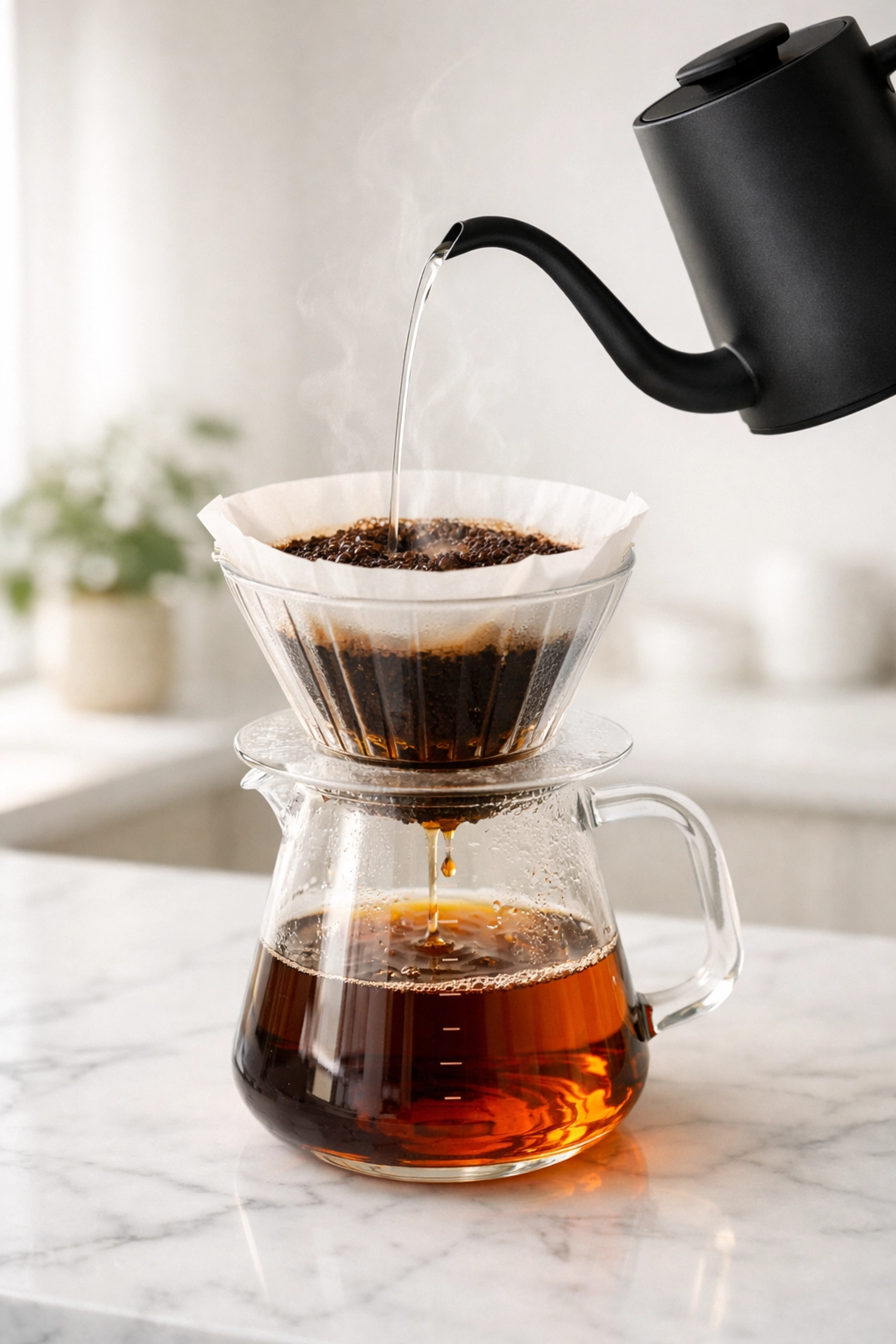
- Pour-Over (V60/Chemex): This is the best way to highlight the delicate, fruity notes of African coffees. It produces a clean, tea-like cup.
- French Press: Great for Brazilian or Sumatran coffees. It highlights the body and sweetness.
- Espresso: A bit more of a challenge. Single origin espresso can be very bright (acidic), which some people love and others… not so much. If you're struggling with your shots, check out our tips on tamping and understanding crema.
Dispelling the Snobbery: A Few Truths
We promised a guide without the snobbery, so here are a few honest takes from us here at Limini.
"You must drink it black."
Look, we believe single origins taste best black because you can actually taste the nuances. But if you want to add a splash of milk, go for it! Just know that heavy milk can drown out the delicate jasmine notes of an Ethiopian Yirgacheffe. If you are a milk lover, check out our guide on understanding milk to see how different fats affect the flavour.
"Expensive always means better."
Not necessarily. Price is often driven by rarity and labor costs rather than just flavour. Find what you like. If you prefer a £10 bag of Colombian beans over a £40 bag of Geisha, that doesn’t mean your palate is "wrong." It just means you know what you like.
"It's too complicated."
It's just beans and water, friend. Don't let the jargon get in the way of a good morning.
Why We Care About Sourcing
At Limini Coffee, we aren't just selling beans; we’re telling a story. When we source our single origins, we’re looking for quality, sustainability, and fair relationships with farmers. It's extremely important to us that the people growing this incredible coffee are treated with the respect they deserve.
If you're curious about how we pick our beans or want to try some for yourself, head over to the Limini Coffee shop. Whether you're a home brewer or looking for wholesale options for your business, we’ve got something that will blow your mind.
Summary Checklist for Success
To wrap things up, here is your quick-start guide to single origin success:
- Buy Fresh: Check those roast dates on our website.
- Match Method to Bean: Bright/Fruity = Pour-over. Chocolatey/Nutty = French Press or Espresso.
- Use Good Water: If your tap water tastes like a swimming pool, your coffee will too. Use filtered water.
- Experiment: Try a different region every month. Your taste buds will thank you.
- Relax: It's just coffee. If it tastes good to you, you've succeeded.
If you ever find yourself wanting to go deeper into the craft, we offer barista training that covers everything from basic brewing to advanced latte art. We’d love to see you there.
Happy brewing! Remember, the best cup of coffee is the one you enjoy most. No snobbery required. 🙂
Leave a Reply