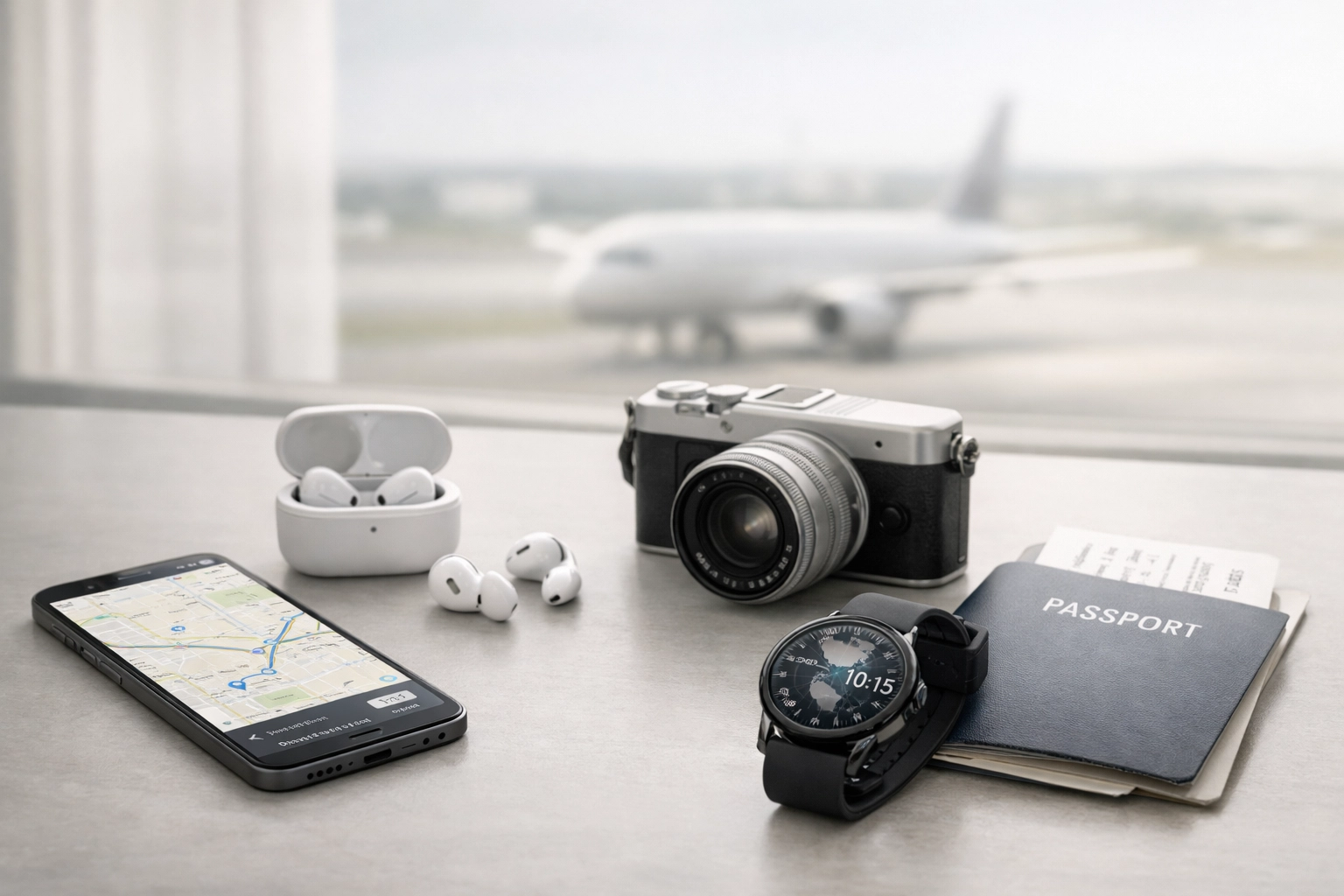
Automate every interaction. Personalize every journey. Scale every property.
The travel landscape in 2026 isn't just changing; it has fundamentally reset. We’ve moved past the era of "digital transformation" as a buzzword and entered the era of operational reality. If you’re still thinking about AI as a chatbot that answers FAQs, you’re already behind.
Today, 39% of travelers are actively using AI to plan their entire trips. In EMEA, that number jumps to 50%. This isn’t a trend for the tech-savvy youth: it’s the new standard for everyone from Gen Z to retirees. The goal for any modern hotelier or travel tech innovator is simple: become AI-native or become obsolete.
Here is how you win.
From Chatbots to Agentic AI
We believe the era of the "helpful assistant" is over. It’s time for the "autonomous agent."
In 2026, the industry has shifted from generative AI that simply talks to agentic AI that actually acts. An agentic system doesn’t just suggest a hotel; it checks your loyalty status, cross-references your corporate travel policy, books the room, and handles the expense report before you’ve even finished your coffee.
New infrastructure like the Model Context Protocol (MCP) and integrated payment frameworks from Visa and Google have turned AI into a high-functioning concierge. Success in 2026 requires moving your data into environments where these agents can "read" your availability and "write" new bookings without a human middleman.
- Execute complete processes. Move beyond answering questions to completing transactions.
- Infrastructure integration. Connect your booking engine directly to AI-native ecosystems.
- Zero-touch planning. Enable systems that handle itinerary adjustments in real-time.

The Invisible Infrastructure
We think the best technology is the kind your guests never actually see.
The "invisible hotel" is no longer a concept: it's a requirement. Travelers today demand a frictionless experience that starts long before they reach your lobby. They want biometric check-ins, digital keys delivered to their wallets, and room preferences set automatically based on their previous stays across your entire portfolio.
At the heart of this is your Property Management System (PMS). If your PMS is just a digital ledger, it’s a liability. An innovative PMS like Mews functions as the central nervous system of your property, automating dynamic pricing and resource management while you focus on the guest. It’s about creating a "zero-touch" environment where the operational heavy lifting happens in the background.
See how Mews can transform your operations at https://referrals.mews.com/umqhyito.
Personalization Through Behavior, Not Buckets
Forget broad demographic categories. The old way of marketing to "Millennials" or "Business Travelers" is dead.
In 2026, success is driven by behavior-based personalization. AI now analyzes real-time data: from booking patterns to geolocation and social preferences: to offer flexible experiences. If a guest consistently books spa treatments on rainy days, your system should proactively offer a wellness package the moment the forecast shifts.
This level of detail requires a unified data layer. You cannot personalize at scale if your restaurant software doesn’t talk to your spa software, and your spa software doesn’t talk to your PMS. When your systems are integrated, you can move from reactive service to proactive hospitality.
- Real-time data loops. Use geolocation and live weather patterns to trigger offers.
- Behavioral triggers. Shift from "who they are" to "what they are doing right now."
- Unified guest profiles. Keep one single source of truth across all touchpoints.

Biometrics and the Death of the Front Desk
We believe the front desk is a relic of the past.
By mid-2026, digital boarding passes and facial recognition have become the global standard for travel. At the property level, this means the end of the "queue to check-in." Travelers expect to walk from the curb to their room without stopping to talk to a human: unless they actually want to.
Voice-activated assistance in rooms is also reaching its peak. Guests can now arrange late check-outs, order room service, or book a local tour using hands-free devices that are fully integrated with the hotel's operational software. This isn’t just cool tech; it’s a labor-saving miracle. It allows your staff to transition from "data entry clerks" to "experience curators."
"Since we moved to a fully automated check-in process, our staff spends 10 hours a week more on direct guest interaction rather than staring at screens. It changed the vibe of the whole lobby."
Navigating the Innovation-Focused Destination
Travelers are now flocking to "smart cities" where technology and creativity intersect. Destinations like Shenzhen or the tech hubs of Europe are seeing massive spikes in flight searches because travelers want to experience the future.
These destinations use smart tools to manage overtourism and resource allocation. For hotel owners, this means your property needs to be a "smart" participant in the local ecosystem. Using real-time data to manage guest flow not only helps the planet: it improves the guest experience by ensuring they aren't stuck in a crowd.
- Smart travel health checks. Use AI to predict and manage peak visitor flows.
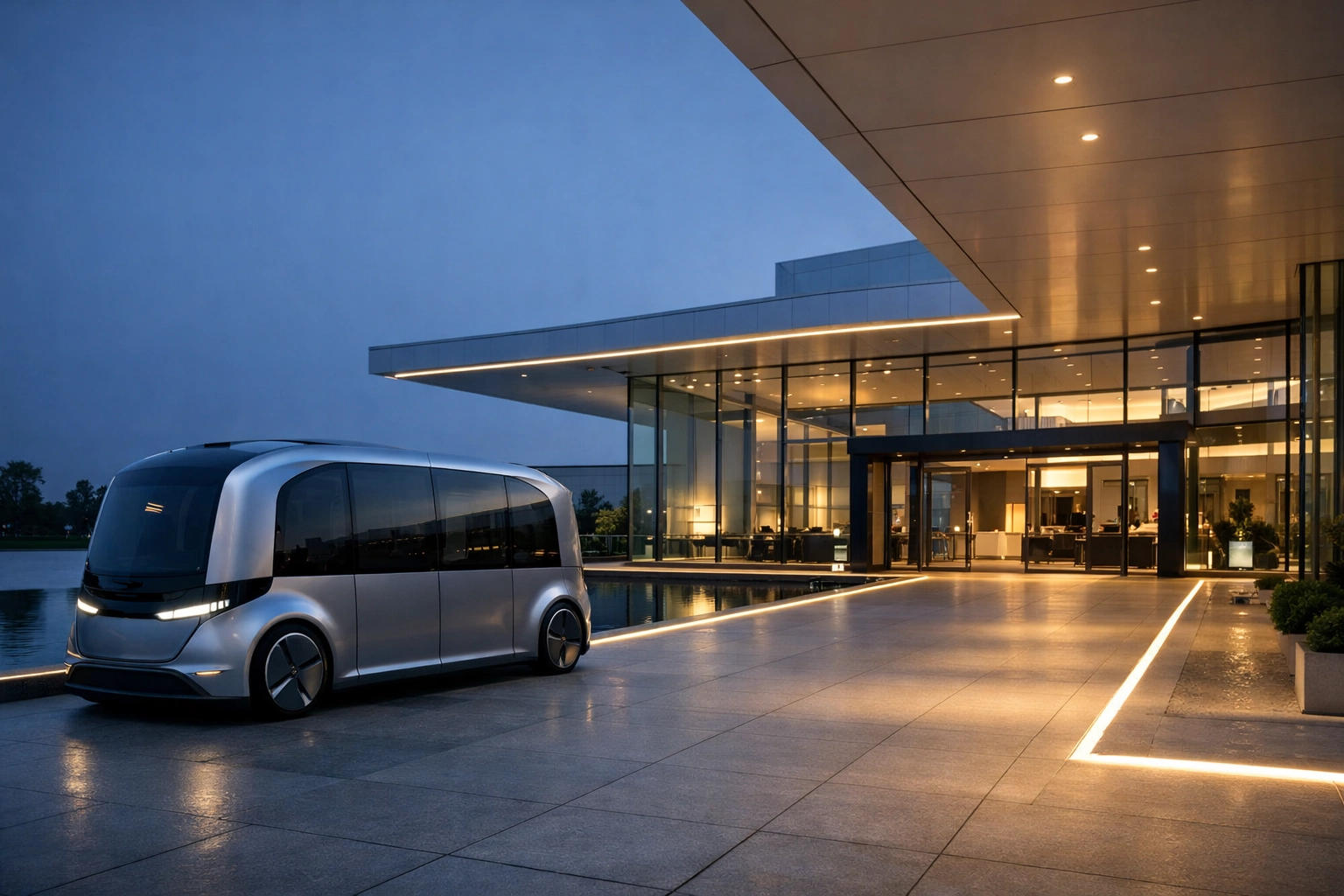
- Autonomous integration. Prepare your property for the arrival of autonomous shuttle services.
- Biometric health scans. Offer next-gen wellness facilities that integrate with wearable tech.
How to Succeed: The 2026 Checklist
The pace of change is now measured in months, not years. If you aren't iterating, you're stagnating. To win in this environment, you need to be agile and willing to let go of "how we've always done it."
- Audit your AI compatibility. Is your content structured so that an AI agent can actually book a room? If not, fix it.
- Go biometric. Replace physical keys and manual ID checks with facial recognition and digital wallets.
- Embed AI everywhere. Don't treat AI as a standalone project. It should be inside your PMS, your CRM, and your energy management system.
- Prioritize data accuracy. AI is only as good as the data it feeds on. Clean up your guest profiles and unify your systems.
- Focus on "The Why." Technology should solve a problem or enhance a feeling. Don't buy tech just because it's shiny.
The Bottom Line
The winners of 2026 are those who have moved from experimental AI adoption to operational reality. It’s no longer about testing the waters; it’s about diving in. Organizations that treat technology as a peripheral tool will continue to struggle with labor shortages and rising guest expectations.
Those who reorganize around agentic capabilities and invisible automation will capture the market. You need a platform that doesn't just manage rooms but orchestrates the entire guest experience: all from one innovative platform.
Ready to lead the next wave of hospitality innovation?
Explore how Mews can get you earning more revenue and saving more time in no time at https://referrals.mews.com/umqhyito.
Leave a Reply