So, you’re thinking about jumping into the world of professional coffee? Whether you are sketching out a business plan for a brand-new café or you are looking to level up your current establishment, one decision stands taller than all the rest: choosing your wholesale coffee roaster.
It’s a big deal. Honestly, it’s probably the most significant partnership you’ll form in your business life. Your roaster isn't just a person who sends you brown beans once a week; they are your consultant, your technician, your trainer, and your biggest cheerleader. At Limini Coffee, we’ve spent years perfecting this relationship because we know that when you succeed, we succeed.
If you're ready to start that journey, you can check out our wholesale coffee options here to see how we do things differently.
Why the "Wholesale" Label Matters
When people hear "wholesale," they often think of massive warehouses and palettes of generic product. In the specialty coffee world, it’s the exact opposite. Wholesale specialty coffee is about precision, freshness, and relationship-driven business.
Choosing a wholesale supplier means you are looking for consistency. You need the coffee you serve on a Tuesday morning to taste exactly like the coffee you served on Saturday afternoon. A dedicated wholesale coffee roaster provides the infrastructure to make that happen.
But it’s not just about the beans. A true partner helps with everything from the initial shop fit-out to the technical specs of your espresso machine.
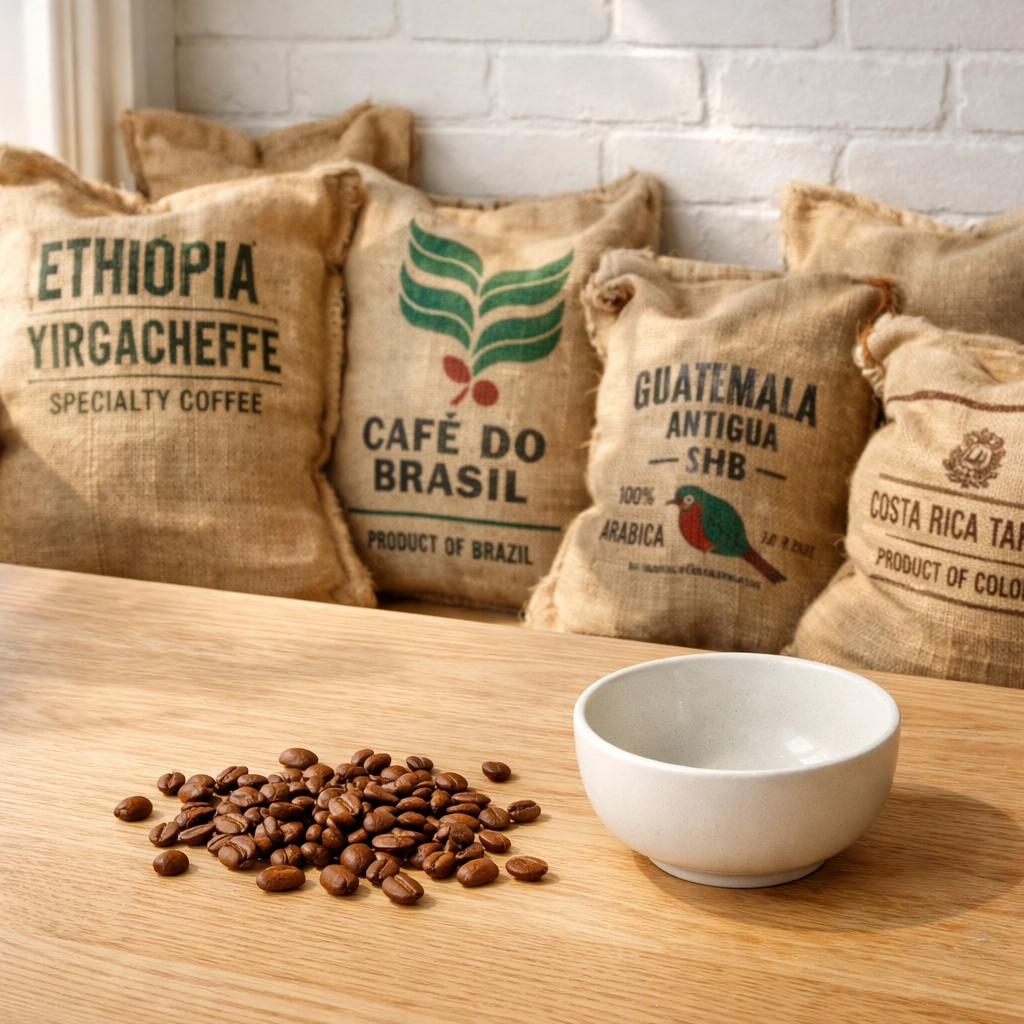
More Than Just Beans: The Support System
Imagine this: It’s 8:00 AM on a Monday, you have a queue out the door, and your espresso machine decides to stop building pressure. Who do you call? If you’ve just bought beans from a supermarket or a tiny micro-roaster with no support staff, you’re in trouble.
A full-service wholesale partner provides:
- Equipment Advice: Knowing whether you need a two-group or three-group machine is vital. We often help clients with choosing espresso equipment that actually fits their volume.
- Technical Training: You can have the best beans in the world, but if your team doesn't know how to tamp or dial in the grind, the coffee will be mediocre.
- Business Consultation: From building a coffee shop to workflow design, we’ve seen what works and what doesn't.
And let’s be real, having that safety net is priceless. If you want to see the kind of support we offer at Limini Coffee, take a look at our wholesale and dropshipping services.
The Technical Essentials: Understanding the Gear
So, let's talk shop. You can't run a professional coffee business on home-grade gear. You need equipment that can handle the heat, literally.
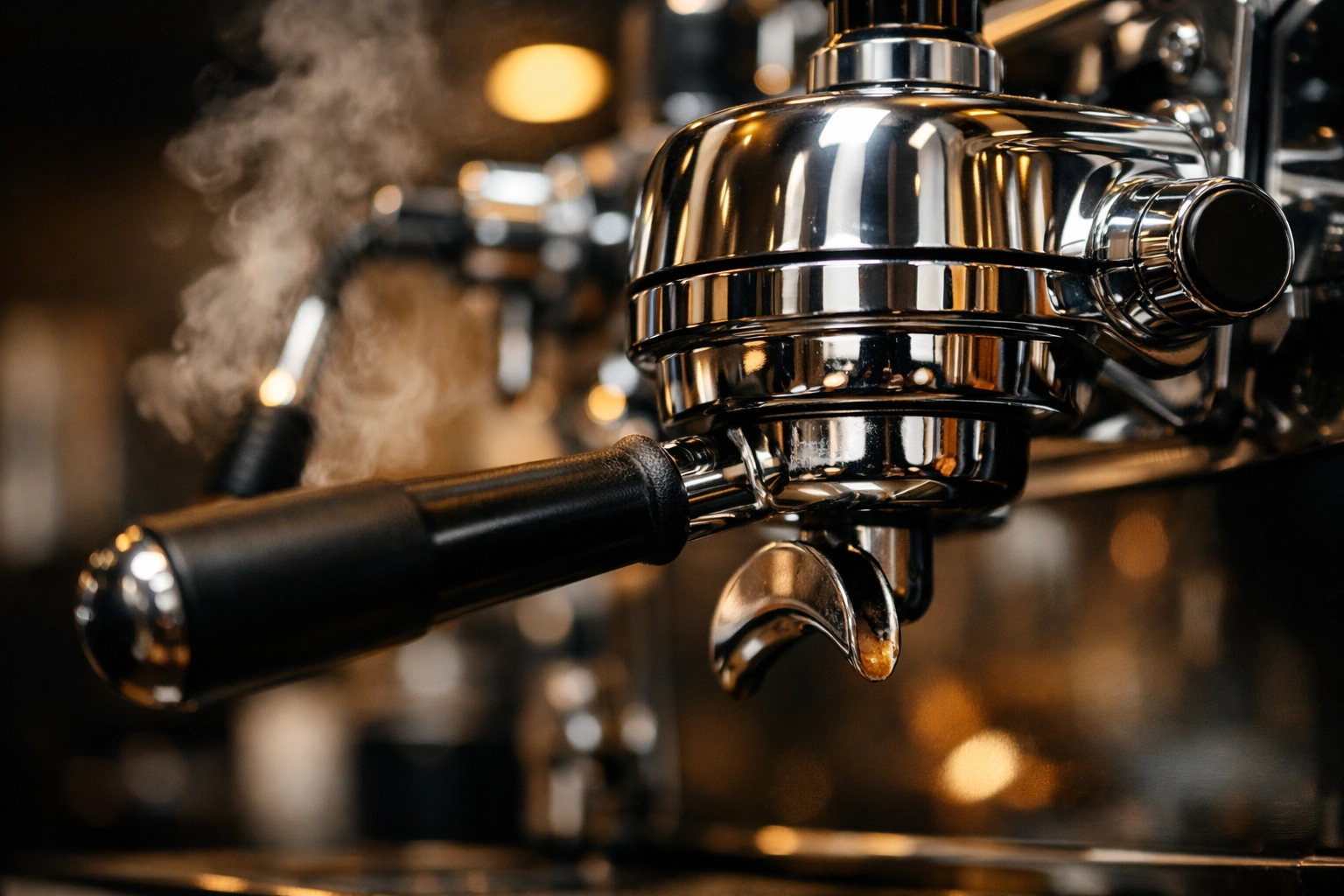
When we talk about professional espresso machines, we’re looking at serious specs. We’re talking about machines that can maintain a steady 9 BAR of pressure and hold a consistent temperature (usually between 88 ºC to 95 ºC / 190 ºF to 203 ºF).
We are massive fans of La Spaziale machines. Why? Because they use a unique steam heat exchange system that is incredibly stable. Whether you are looking at how a La Spaziale works or exploring the internal makings, the consistency is what wins us over every time.
Lever vs. Automatic
This is a classic debate. Do you want the "theatre" of a lever machine, or the precision and ease of an automatic?
- Automatic: Great for high-volume shops where consistency across different baristas is key.
- Lever: Beautiful to watch and offers a unique pressure profile, but requires a more skilled hand.
You can read more about the theatre of coffee here or compare lever vs. automatic machines to see which fits your brand’s vibe.
Training: The Secret to Longevity
We believe that a coffee shop is only as good as its worst barista. It sounds harsh, but it’s true. You are selling an experience, and that experience relies on technical skill.
One of the biggest mistakes café startups make is neglecting training. They spend £10,000 on a machine and £0 on learning how to use it. This is why we include barista training as a core part of our wholesale offering.
What should your team know?
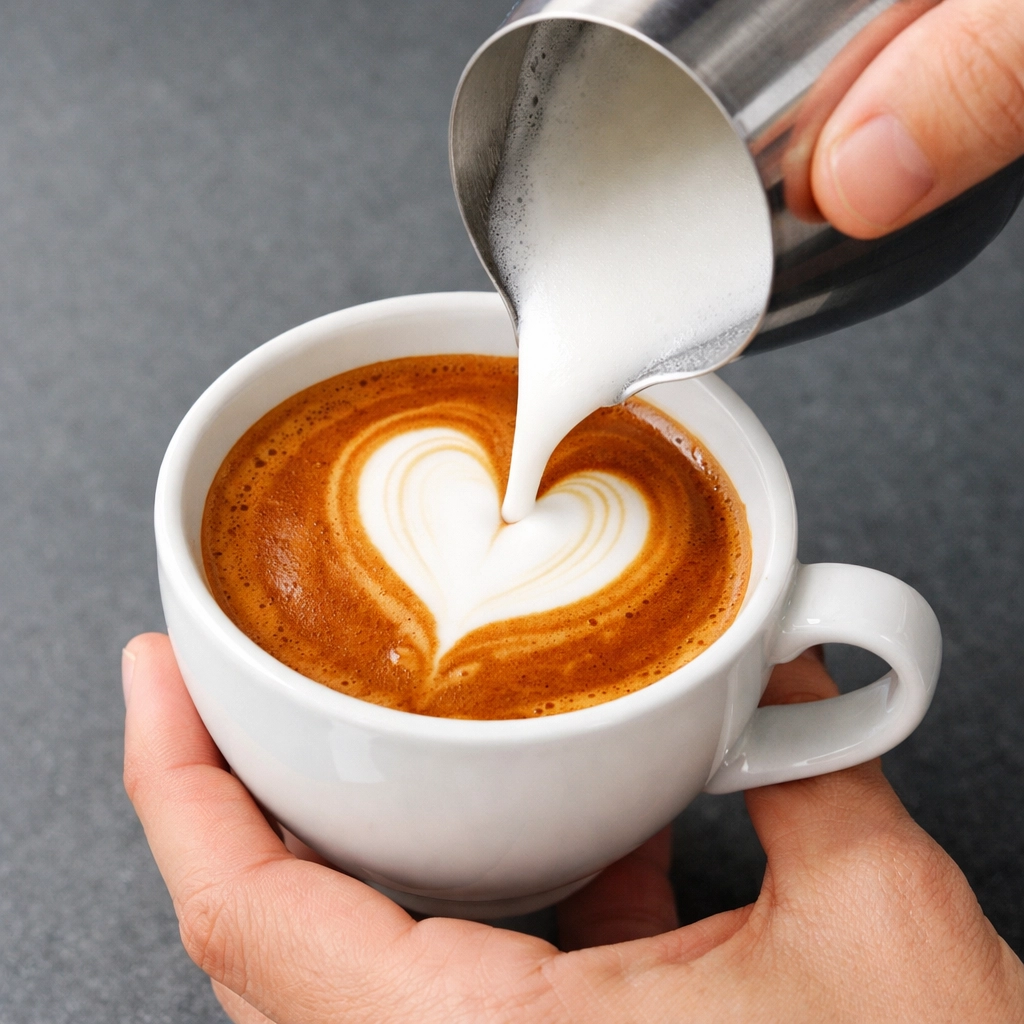
- The Science of Milk: Understanding proteins and fats to create that perfect micro-foam (around 140 °F / 60 ºC is the sweet spot). We have a deep dive into understanding milk here.
- Dosing and Tamping: It’s not just about pushing hard; it’s about level distribution. Check out our guide on tamping.
- The Menu: Knowing the difference between a flat white, a latte, and a cappuccino isn't as simple as it sounds. We break down the different drinks here.
Investing in an overview of training early on prevents expensive mistakes and ensures your customers keep coming back.
Sourcing and Quality Control
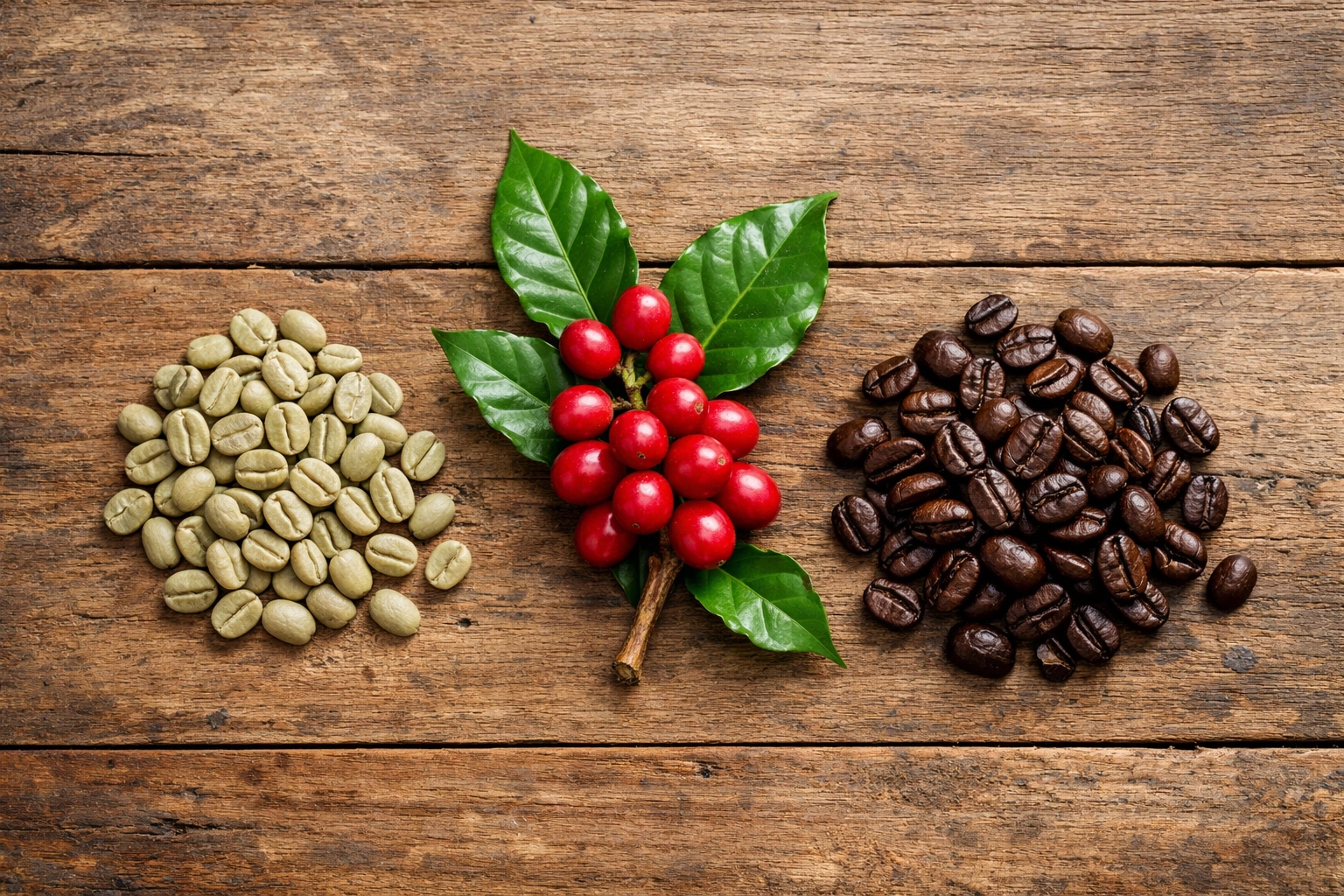
Where does your coffee actually come from? In the B2B world, your customers are becoming more educated. They want to know about the origin, the process, and the ethics behind the cup.
At Limini Coffee, we take sourcing our coffee very seriously. We look for coffees that aren't just high-scoring on the SCAA scale, but also sustainable for the farmers.
And then there’s the roast. Freshness is everything. Coffee is a seasonal fruit, and it should be treated as such. When you work with a specialty roaster, you're getting beans that were roasted days (not months) ago. This ensures you get that beautiful crema that signifies a fresh, well-extracted shot.
Managing the Numbers
Let's talk about the boring-but-essential stuff: the margins. To succeed in the wholesale coffee world, you need to know your costs down to the penny.
We recommend using tools like a coffee brewing calculator to figure out exactly how much coffee you’re using per shot and what your wastage looks like. Even small things, like the cups you choose, can impact your bottom line and the customer's perception of value.
When you’re looking at suppliers, don’t just look at the price per kilo. Look at the "total cost of ownership."
- Does the roaster offer free delivery?
- Is technical support included?
- Do they provide point-of-sale materials?
A slightly more expensive bean from a roaster who provides exceptional support will almost always save you more money in the long run than "cheap" beans from a supplier who vanishes once the invoice is paid.
Building a Partnership That Lasts
Starting a coffee business is a marathon, not a sprint. You want a roaster who is going to be there for you in year five, not just month one.
We pride ourselves on being that partner. We love hearing about our clients' successes, and we’re always here to help troubleshoot the failures. If you're looking for a team that's as passionate about your café as you are, we’d love to chat.
You can learn more about us and our philosophy, or if you're ready to take the plunge, head over to Limini Coffee and let's get started.
Final Thoughts for the Road
So, what’s the takeaway?
- Don't settle for a supplier; find a partner.
- Invest in your gear and your people.
- Focus on consistency above all else.
The world of specialty coffee is vibrant, challenging, and incredibly rewarding. With the right wholesale coffee roaster by your side, you aren't just opening a shop: you're building a community. And honestly? That's the best part of the job.
If you have questions about layouts, machines, or just want to talk about beans, reach out to us. We’ve been doing this for a long time, and we’d love to share what we’ve learned.
Ready to level up? Start your wholesale journey with Limini Coffee today.
Leave a Reply