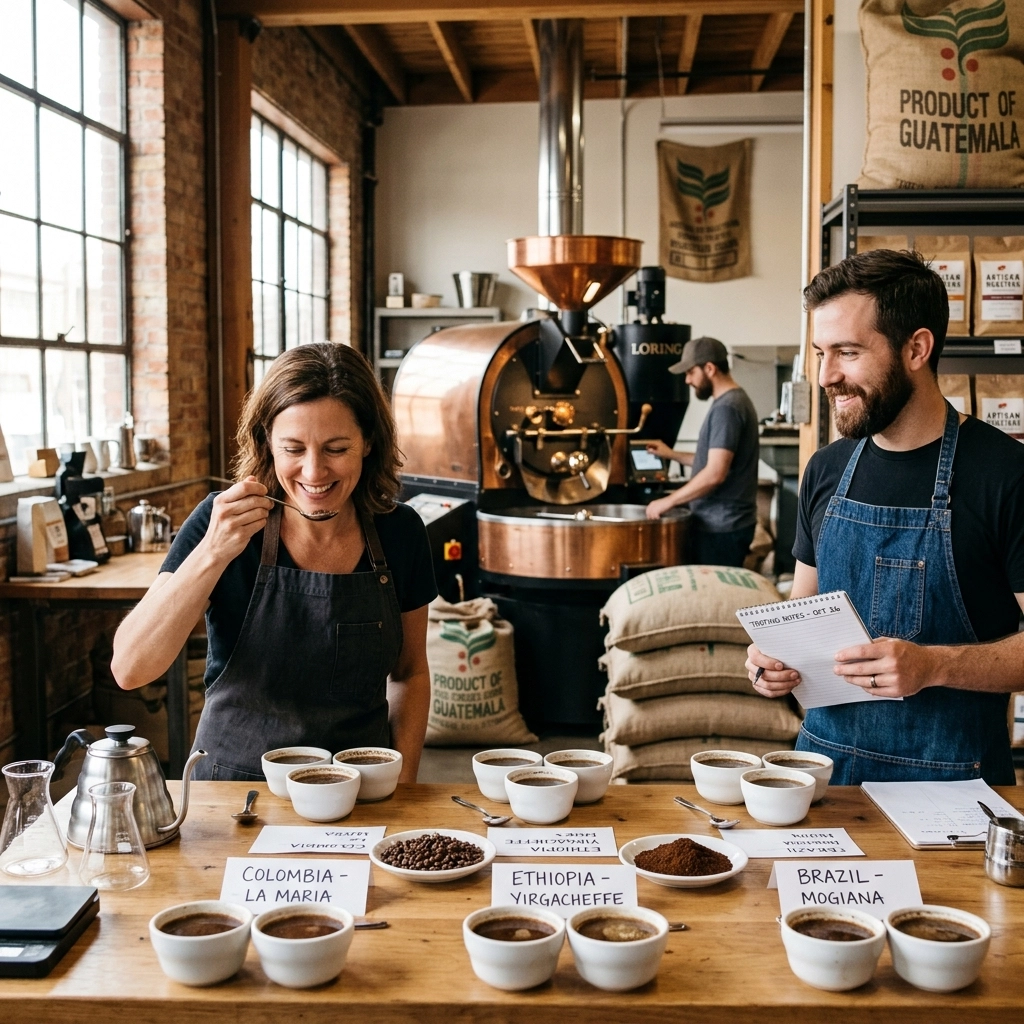
So, you’re thinking about diving into the world of specialty coffee? Whether you are just starting to sketch out your café layout on a napkin or you’re a seasoned pro looking to level up your bean game, choosing the right partner is probably the biggest decision you’ll make. It’s not just about buying bags of beans; it’s about building a relationship that keeps your grinders humming and your customers coming back for that second (or third) flat white.
At Limini Coffee, we’ve seen it all. We’ve helped hundreds of café startups find their feet, and if there is one thing we know for sure, it’s that the quality of your coffee is the foundation of everything. You can have the prettiest interior in town, but if the espresso is thin and bitter, people won’t return.
In this guide, we’re going to walk you through everything you need to know about wholesale specialty coffee, from understanding those fancy SCA scores to choosing the right coffee suppliers that actually have your back.
What exactly is "Specialty Coffee" anyway?
You’ll hear the term thrown around a lot, but in the industry, it has a very specific meaning. It’s not just a marketing buzzword used to justify a higher price tag.
Basically, coffee is graded on a 100-point scale. To be officially "specialty," a coffee must score 80 points or higher by a certified Q-Grader (think of them as the sommeliers of the coffee world). These beans are grown in ideal climates, harvested at the peak of ripeness, and processed with extreme care to avoid defects.
Commercial-grade coffee, the stuff you often find in supermarkets or big chains, usually scores below 80. It’s often roasted dark to hide inconsistencies. Specialty coffee, however, is all about celebrating the unique "terroir" of the region. Whether it’s a fruity Ethiopian or a chocolatey Brazilian, you’re looking for clarity, complexity, and a clean finish.
Why does this matter for your business? Because customers are getting smarter. They know what good coffee tastes like, and they are willing to pay for it. Positioning yourself as a specialty destination sets you apart from the "brown water" served down the street.
Choosing the Right Wholesale Coffee Roasters
When you start looking for wholesale coffee roasters, it’s easy to get overwhelmed. You’ll find dozens of suppliers claiming to be the best. So, how do you narrow it down?
We believe you should look for the "complete package." A great roaster isn't just a warehouse; they should be your silent partner. Here is what we think you should look for:
1. Roast Freshness
Fresh is best. Period. Coffee starts to lose its vibrant aromatics and oils shortly after roasting. You want a supplier that roasts to order. Ideally, your beans should arrive within a few days of being roasted. We usually recommend using beans that have rested for about 7 to 10 days to allow CO2 to escape, but anything older than a month is starting to lose its soul.
2. Consistency is King
It’s one thing to have a brilliant bag of coffee once. It’s another thing to have it taste exactly the same every Tuesday morning for six months. This is where professional roasters shine. They use sophisticated software and sensory analysis to ensure the profile remains stable, regardless of ambient temperature or humidity changes in the roastery.
3. Ethical Sourcing
Your customers care about where their coffee comes from, and you should too. We prefer working with suppliers who use direct trade models. This means the roaster has a direct relationship with the farmers or cooperatives, ensuring they get paid well above the "Fair Trade" minimums. Not only is this the right thing to do, but it also results in much higher quality beans. You can learn more about how we handle sourcing our coffee to see the difference it makes.
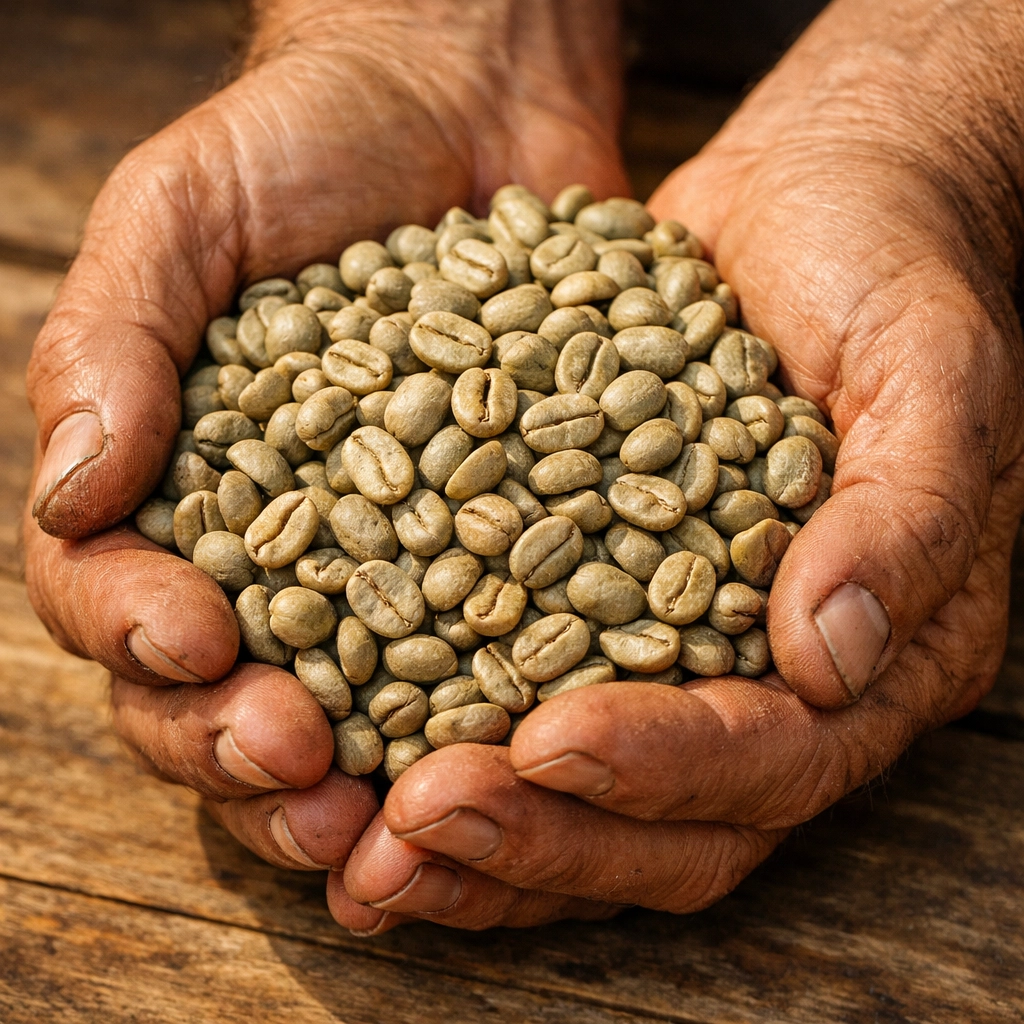
Single Origin vs. Blends: The Great Debate
One of the first questions we get from café startups is: "Should I serve a blend or a single origin?"
The answer, honestly, is usually "both," but for different reasons.
Coffee Blends are the workhorses of the wholesale world. By mixing beans from different origins (say, a nutty Brazilian with a bright Colombian), roasters can create a balanced, complex profile that is easy to dial in. Blends are generally more "forgiving" for baristas and offer a consistent flavor profile that customers can rely on day after day. They usually cut through milk beautifully, making them perfect for lattes and cappuccinos.
Single Origins, on the other hand, are the rockstars. These beans come from a single farm or region and showcase a very specific flavor profile. They are brilliant for black coffee, think V60 pour-overs or long blacks. They can be a bit more temperamental to brew, but they offer that "wow" factor for the coffee geeks among your clientele.
We usually suggest starting with a solid house blend for your milk-based drinks and maybe rotating a single origin as a "guest" espresso or filter option. It gives you the best of both worlds.
Support Beyond the Bean: Why Your Supplier Choice Matters
Let’s be real: at 8:00 AM on a Monday morning when your espresso machine starts leaking or your new barista can’t seem to get the milk texture right, you don't need a coffee roaster; you need a lifeline.
This is where many coffee suppliers fall short. They’ll ship you the beans, but then they vanish. When you’re choosing a partner, ask about their support services:
- Barista Training: Even the best beans in the world will taste like battery acid if they aren't brewed correctly. We are huge believers in education. Whether it’s basic barista training or advanced sensory skills, your supplier should be helping your team grow.
- Equipment Maintenance: Espresso machines are high-pressure, high-heat environments. Things break. Does your supplier have technicians? Can they help you with choosing espresso equipment that actually fits your volume?
- Café Workflow: A good roaster can look at your shop floor and tell you if your grinder is in a "clumsy" spot. Efficiency equals profit.
The Technical Nitty-Gritty: Brewing for Success
In the specialty world, we don't just "make coffee." We manage extractions. It sounds a bit scientific because, well, it is.
When you’re setting up your wholesale operation, you need to keep a few numbers in mind. We generally aim for a water temperature between 88 C and 95 C (about 190-203 °F). Any hotter and you risk burning the coffee; any cooler and you won't extract enough sweetness.
The standard pressure for espresso is 9 BAR. If your machine is fluctuating, your taste will fluctuate too. This is why we often talk about understanding milk and the physics of the machine: it all works together to create that perfect "crema" (that silky, golden-brown layer on top of your espresso).
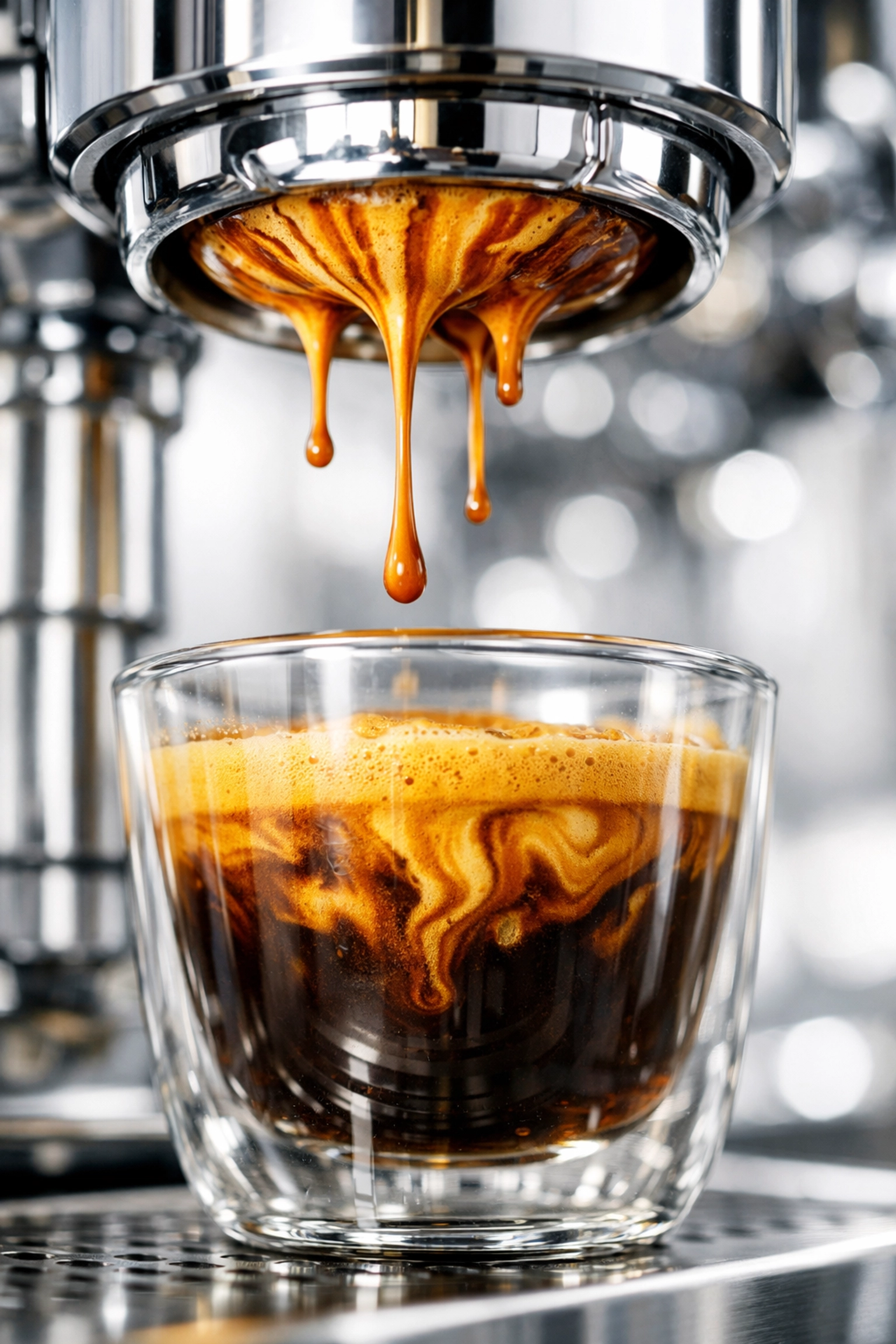
Creating "Theatre" in Your Coffee Shop
We often tell our wholesale partners that they aren't just selling caffeine; they are selling an experience. We call this the article theatre of coffee.
When a customer walks in and sees a barista carefully weighing out a dose of specialty beans, using a precision tamping technique, and pouring a perfect heart into the microfoam, they know they are somewhere special. It builds trust. It justifies the price.
This "theatre" starts with the equipment. Seeing a beautiful La Spaziale machine on the counter tells the customer you mean business. It’s an investment in your brand’s personality.
How to Get Started with Wholesale
If you’re feeling a bit overwhelmed, don’t worry. Every successful coffee business started exactly where you are right now. The key is to take it one step at a time.
- Taste everything: Request samples from 3 or 4 different roasters. Brew them on the equipment you plan to use.
- Visit the Roastery: You can tell a lot about a company by how they keep their space. Is it clean? Are they passionate?
- Run the numbers: Use a coffee brewing calculator to understand your margins. Specialty coffee costs more per kilo, but the reduced waste and higher customer loyalty usually mean better profits in the long run.
- Invest in Training: We can’t say this enough. Your staff are your biggest asset.
At Limini Coffee, we love nothing more than helping new businesses thrive. We offer everything from the beans themselves to complete shop fitting advice.
If you want to see how we can help your business grow with some of the best beans in the UK, check out our wholesale specialty coffee options here.
Final Thoughts
Building a coffee business is a marathon, not a sprint. It takes patience, a lot of tasting (tough job, we know), and a partner who cares about your success as much as you do. By focusing on quality, education, and the right equipment, you are already miles ahead of the competition.
The specialty coffee community is a welcoming one, and we are always here to help. Whether you’re curious about the difference between a latte and a cappuccino or you need a deep dive into water chemistry, just ask.
Happy brewing!

Leave a Reply