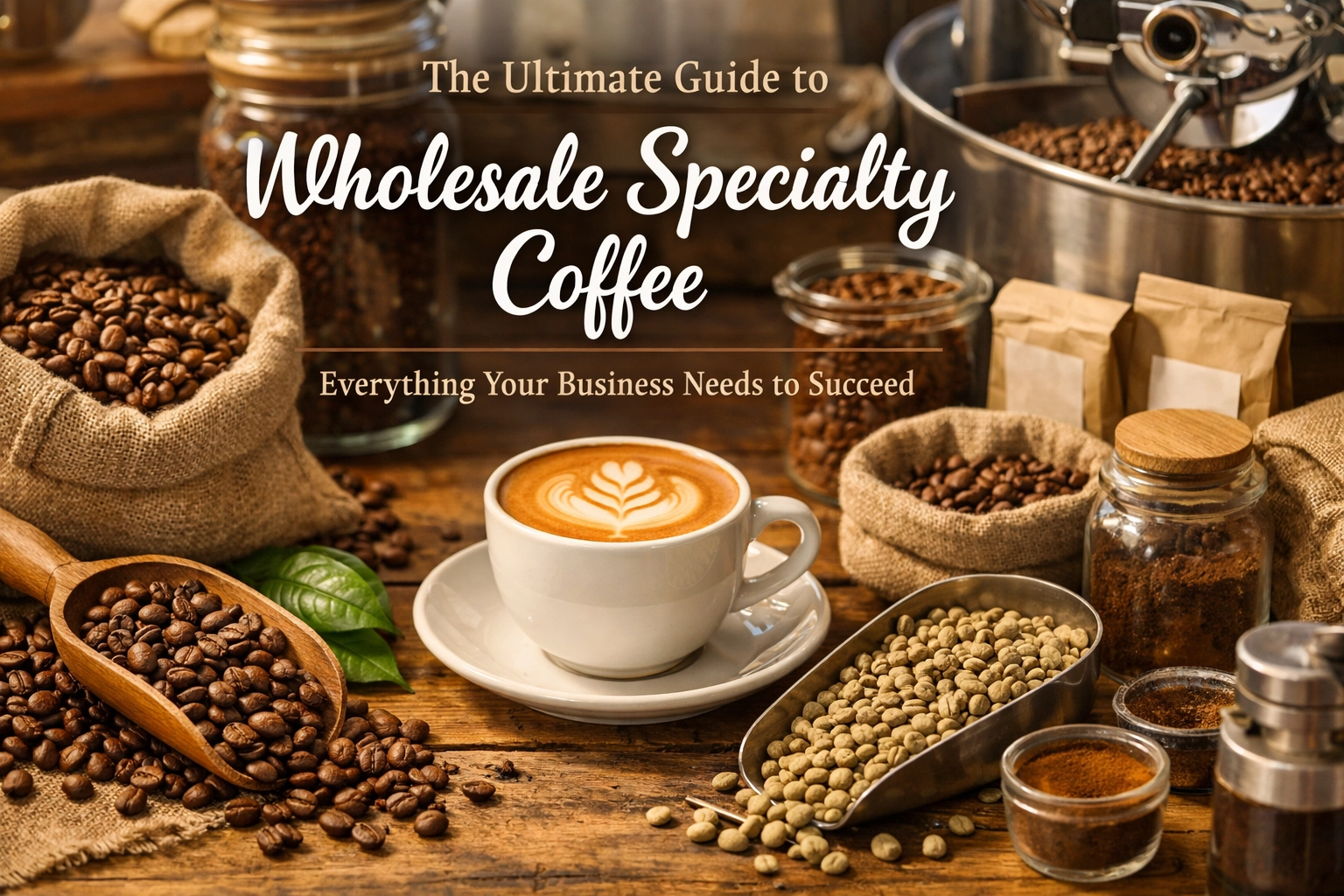
So, you’re thinking about opening a café, or perhaps you’re looking to level up the brew in your existing business? That is a brilliant move. But here’s the thing: coffee isn't just a commodity you buy in bulk and shove into a hopper. In the world of specialty coffee, your roaster is more than just a vendor, they are essentially your most important business partner.
Choosing from the sea of coffee suppliers out there can feel a bit like trying to dial in an espresso shot on a Monday morning before you’ve had your own caffeine fix. It’s overwhelming. You want the best beans, sure, but you also need reliability, training, and maybe a bit of hand-holding when the steam wand decides to act up.
At Limini Coffee, we’ve spent years working with café startups and seasoned pros alike. We’ve seen what works and, quite honestly, what becomes a total nightmare. This guide is here to walk you through everything you need to know about wholesale specialty coffee so you can build a business that people actually want to visit.
What Exactly is "Specialty" Coffee?
Before we dive into the logistics, let's get our definitions straight. When we talk about "specialty coffee," we aren't just using a fancy marketing buzzword. It actually refers to coffee that has been graded 80 points or above on a 100-point scale by a certified Q Grader.
Basically, this means the coffee is free of primary defects and has a distinct personality in the cup. It’s about quality, traceability, and ethics. When you partner with wholesale coffee roasters who focus on specialty grades, you are telling your customers that you care about the craft.
You might be wondering, "Does my average customer really care about the SCA score?" Probably not. But they will notice that your flat white doesn't taste like burnt rubber. That’s the specialty difference. We believe that once a customer tastes a well-extracted, high-quality bean, they rarely go back to the supermarket stuff.
Finding the Right Wholesale Partner
Finding a roaster is a bit like dating. You need to make sure your values align before you sign on the dotted line. You’re looking for someone who doesn't just drop off bags of beans and vanish into the sunset.
1. Quality and Consistency
Consistency is the holy grail of wholesale. You need to know that the bag of beans you open on Tuesday tastes exactly like the one you opened two weeks ago. Ask potential suppliers about their quality control. Do they cup every roast? (We certainly do).
2. Sourcing Ethics
Where is the coffee coming from? Transparency is key in the specialty world. You want to know that the farmers are being paid a fair price, well above the "C-market" price. You can learn more about how we handle sourcing our coffee here. It’s not just about feeling good; it’s about ensuring a sustainable future for the entire industry.
3. Support and Training
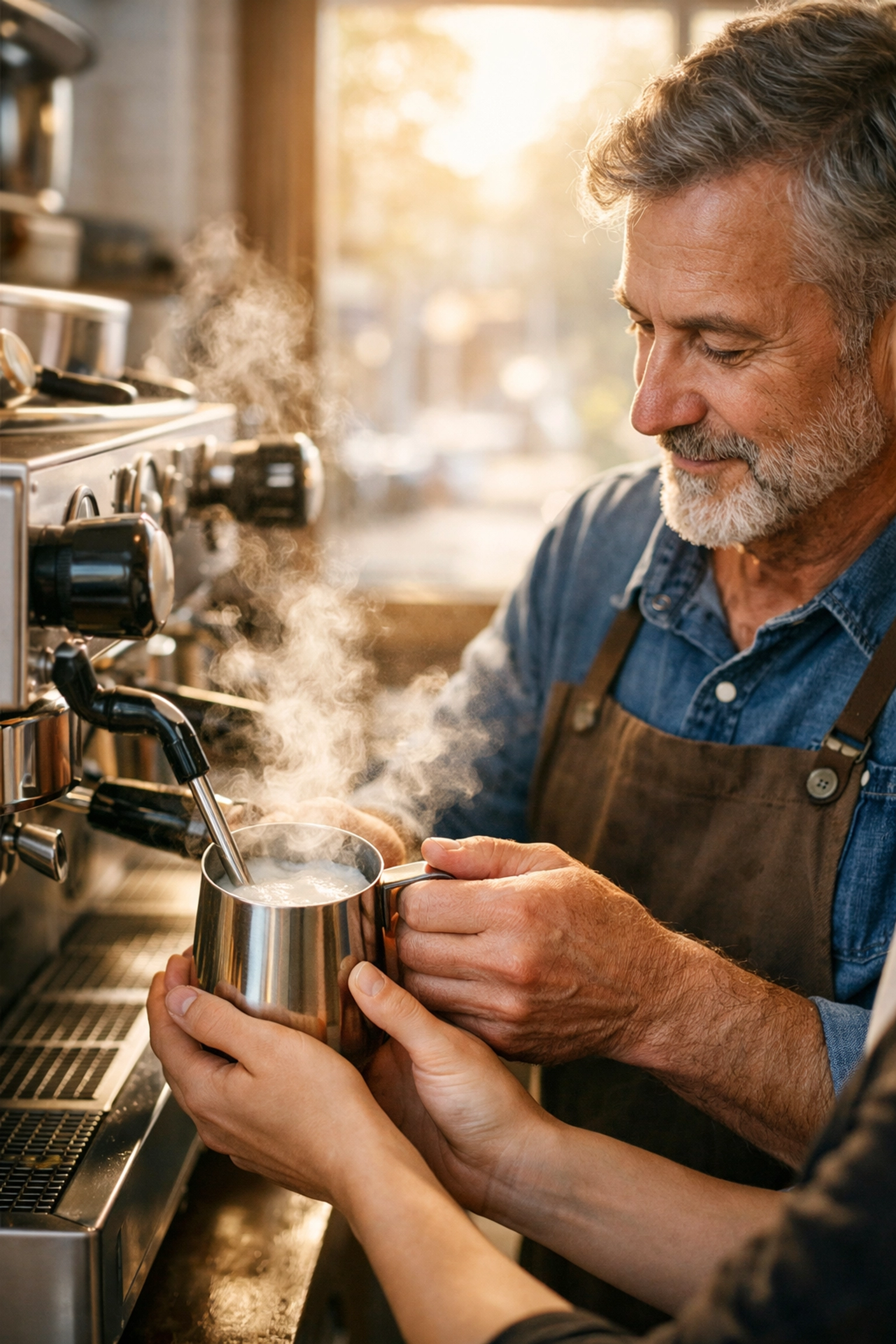
This is where many businesses trip up. You can have the best beans in the world, but if your staff doesn't know how to tamp correctly or dial in the grinder, the coffee will be mediocre. A great wholesale partner should offer comprehensive barista training.
The Equipment Equation
You wouldn't put budget tyres on a Ferrari, right? The same logic applies to coffee. To get the most out of wholesale specialty beans, you need the right kit.
When you’re looking at coffee suppliers, check if they offer equipment packages or leasing. At Limini Coffee, we often help businesses navigate the maze of choosing espresso equipment.
Essential Gear for Your Shop:
- The Espresso Machine: Do you want a traditional lever machine or something automatic? (Check out the lever vs automatic debate for more).
- The Grinder: Often more important than the machine itself. You need a commercial-grade burr grinder that can handle your volume without overheating.
- Water Filtration: Coffee is 98% water. If your water is hard (looking at you, London), your coffee will taste flat and your machine will scale up and die a slow, painful death.
Precision matters here. We’re talking about 9 BAR of pressure and temperatures held steady at exactly 92 ºC (197.6 °F). If your equipment can't hold those variables, your consistency will suffer.
Single Origin vs. Blends: Which is Right for You?
This is a question we get asked constantly. Should you go for a single origin or a blend?
Blends are the backbone of most wholesale operations. By combining beans from different regions (say, a nutty Brazilian with a chocolatey Colombian), roasters can create a balanced, reliable flavor profile that works beautifully with milk. They are dependable and usually offer a more consistent price point throughout the year.
Single Origins, on the other hand, are the rockstars. They come from one specific farm or cooperative and showcase the unique "terroir" of that place. They can be incredibly fruity, floral, or acidic.
We think the best approach for most cafés is to have a solid house blend for your milk-based drinks (lattes, cappuccinos, etc.) and perhaps a rotating single origin for those customers who prefer black coffee or want to try something a bit more "out there."
Beyond the Beans: Business Support
A wholesale relationship shouldn't end with a delivery. Starting a café is hard work, like, "forgetting what a weekend looks like" hard. You need a supplier who understands the business side of things.
Café Layout and Shop Fitting
The flow of your shop is vital. If your barista has to walk five steps to get to the fridge every time they need milk, you’re losing money and time. We actually offer advice on building a coffee shop and shop fitting because we want our partners to succeed. If you win, we win.
Understanding the Menu
Do you know the difference between a flat white and a latte? Does your staff? Having a clear understanding of your drink recipes is essential for customer satisfaction.
Technical Support
Machines break. It’s an annoying fact of life. When your machine goes down during a Saturday morning rush, you don't want a "we'll get back to you in 48 hours" response. Ask your roaster about their maintenance and repair services. Understanding how your machine works, like the workings of a La Spaziale, can save you a lot of stress in the long run.
The Logistics: Pricing, Contracts, and MOQs
Let's talk about the "boring" stuff that actually keeps the lights on.
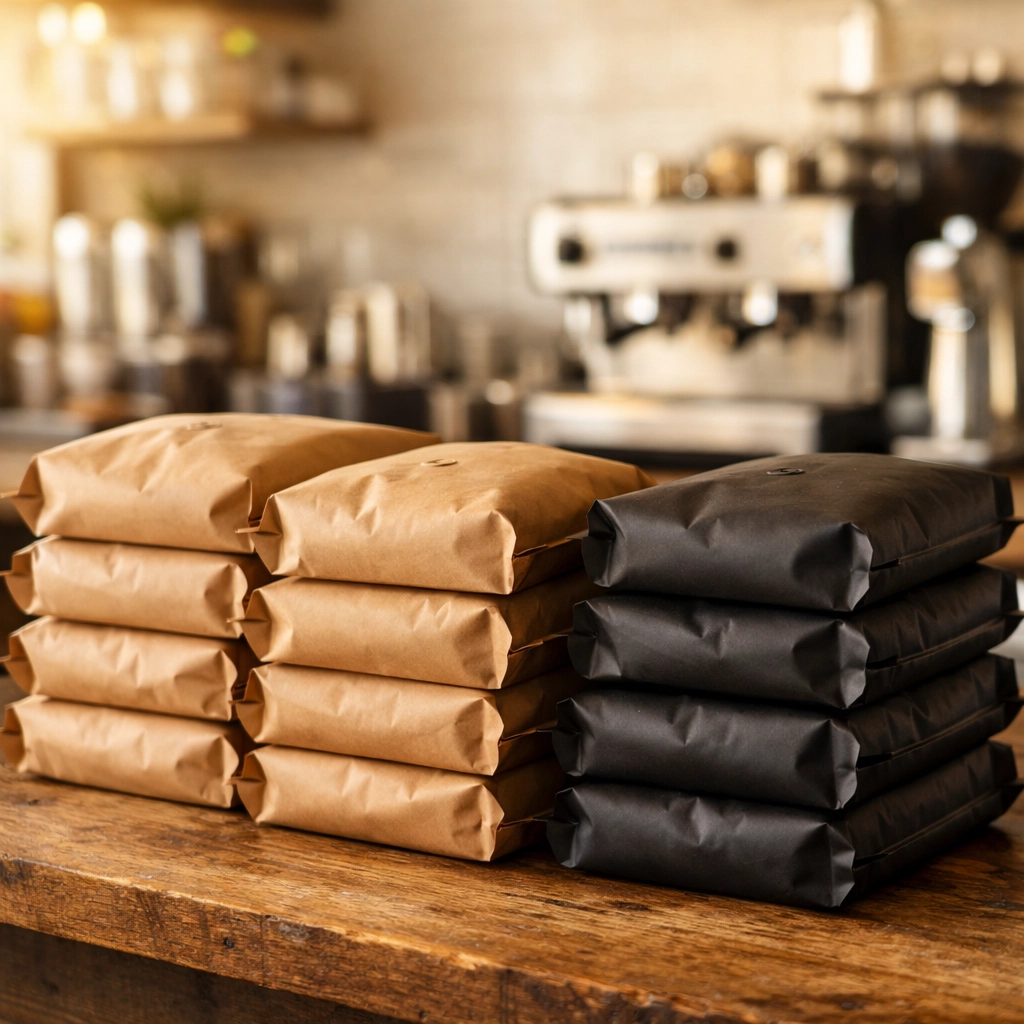
Minimum Order Quantities (MOQs): Some large wholesale coffee roasters will only talk to you if you’re ordering 50kg a week. Smaller specialty roasters are usually more flexible, but keep in mind that shipping costs can eat into your margins if you order too frequently in small amounts.
Pricing Structures: Don't just look at the price per kilo. Look at the value. Does that price include training? Does it include emergency call-outs for your machine? Sometimes a "cheaper" bean ends up being more expensive when you have to pay for all the extras separately.
Freshness: This is non-negotiable. Fresh-roasted coffee should ideally be used within 2 to 4 weeks of the roast date. If a supplier is offering you coffee roasted three months ago, run. Fast.
Creating a Brand Experience
In a saturated market, your "vibe" matters. People don't just come for the caffeine; they come for the experience. This is what we call creating theatre in the café.
Whether it's the latte art, the way you explain the notes of the coffee, or even the choice of cups, every detail counts. Your wholesale partner should be able to help you refine this.
If you're looking to stand out, you might even consider "white labeling", where the roaster creates a custom blend just for your brand. It gives you an exclusive product that customers can't get anywhere else.
Is Specialty Coffee Worth the Investment?
To be honest, yes.
The market is shifting. Customers are more educated than ever. They know what a good espresso looks like (and they definitely know what good crema looks like). By choosing to work with high-quality coffee suppliers, you are future-proofing your business.
It’s about building a community of regulars who trust you. And that trust starts with the quality of the product in the cup.
If you are ready to take the next step and want a partner who is as passionate about your success as you are, we’d love to chat. You can check out our wholesale offerings here or explore more about who we are at Limini Coffee.
Starting a coffee business is a wild ride. It's caffeinated, exhausting, and incredibly rewarding. Just make sure you've got the right people in your corner.
Frequently Asked Questions
How much coffee should I order for a new café?
It's always better to start lean. We usually recommend looking at your projected cup sales and calculating from there. A standard double shot uses about 18-20g of coffee. Use our coffee brewing calculator to help with the math!
Do I need a contract?
Some roasters require them, especially if they are providing equipment. Contracts can be great because they lock in pricing and service levels, but make sure you read the fine print regarding exclusivity.
Can you help with milk?
Actually, yes. Milk is just as important as the coffee for 80% of your drinks. We’ve even written a guide on understanding milk to help you get that perfect silky texture every time.
What about training?
We cannot stress this enough: training is vital. We offer a range of courses to make sure you and your staff are ready for the floor.
At the end of the day, we’re all here for the same reason: we love great coffee. Let’s make sure your customers do too. Visit Limini Coffee today to see how we can help your business thrive.
Leave a Reply