Transform your operations. Delight your guests. Scale your brand.
The hospitality landscape in 2026 isn't just evolving; it’s being rewritten. We’ve moved past the "digital transformation" buzzwords of the early 2020s and landed firmly in an era where technology is the silent partner in every guest interaction. Today, being "ahead of the curve" doesn’t mean having a pretty website: it means running a hyper-automated, data-obsessed, and deeply human operation.
At Mews, we see over 12,500 properties worldwide pushing the boundaries of what a hotel can be. The winners in 2026 are those who trade manual checklists for AI agents and generic rooms for attribute-based experiences.
Ready to see where the industry is headed? Let's dive in.
1. The Rise of the Autonomous AI Agent
The chatbot is dead. Long live the AI Agent. In 2026, we’ve moved beyond basic FAQ bots that get confused by a simple "Can I have more towels?" Modern AI agents are autonomous. They don't just talk; they do.
We believe the best technology is the kind you don't have to manage. These agents handle complex booking modifications, trigger upsell opportunities based on real-time sentiment, and even monitor energy usage across your property.
- Reduces manual administrative load by up to 70%.
- Handles real-time revenue management shifts without human intervention.
- Operates 24/7 across every digital touchpoint.
2. Hyper-Personalization as a Standard
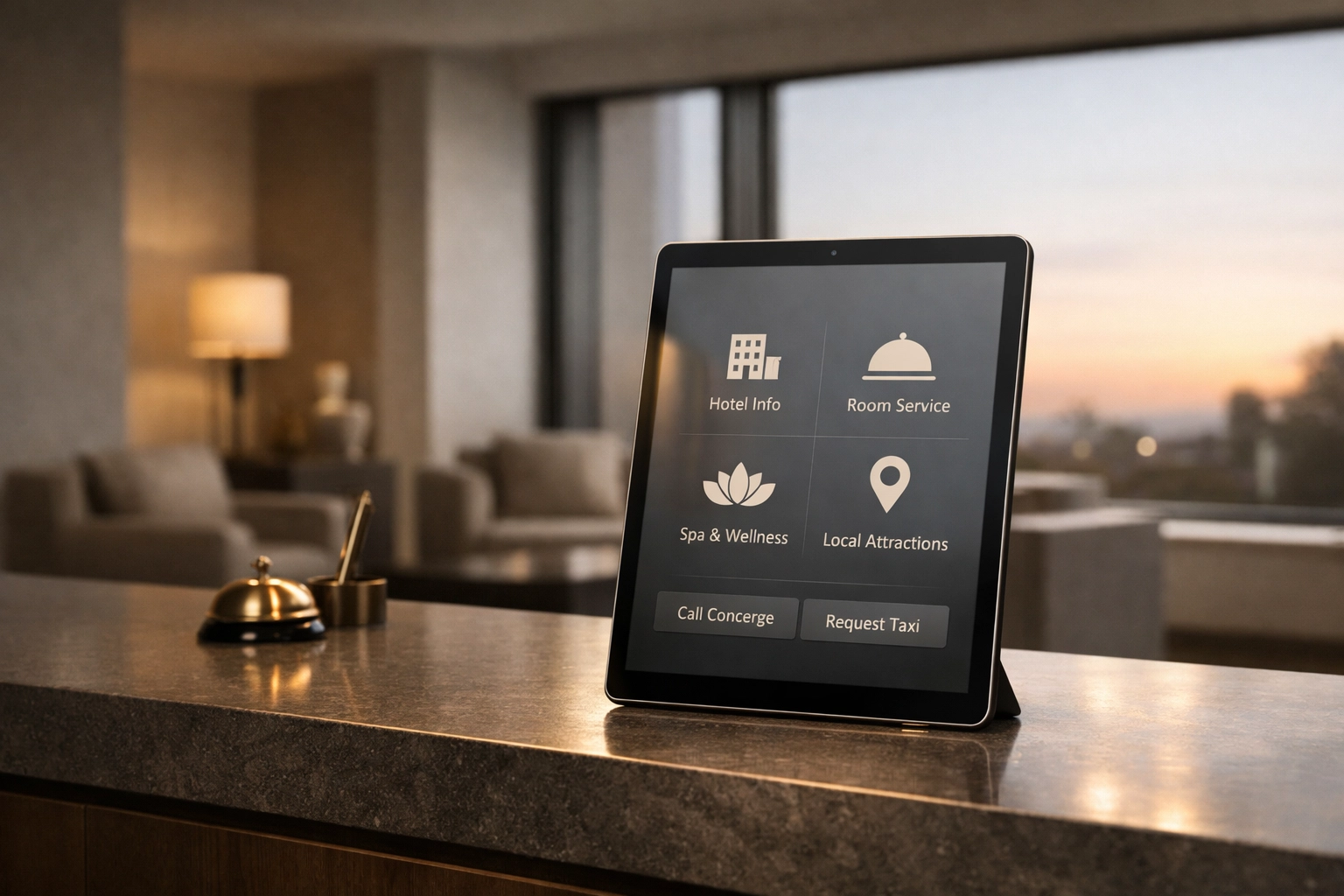
Generic "Welcome back" emails are the new junk mail. Hyper-personalization is the industry's defining trend this year. It’s about moving beyond broad market insights to deep, granular segmentation.
You need to know not just who your guests are, but how they book and what makes them click "confirm." Are they booking because of your spa’s organic tea selection or your lightning-fast Wi-Fi?
- Predictive dining recommendations based on past stay data.
- Wellness promotions tailored to specific guest recovery goals.
- Tailored pre-arrival offers that actually convert.
3. Attribute-Based Selling (ABS)
The traditional "Standard Room vs. Deluxe Room" model is crumbling. Guests in 2026 want to pay for exactly what they value. Attribute-based selling allows you to unbundle your inventory.
Instead of selling a category, you’re selling features: a high floor, a balcony, a sunrise view, or an espresso machine. This approach increases perceived value and allows you to capture ancillary revenue that was previously hidden.
- Higher guest satisfaction through "build-your-own" stay models.
- Increased RevPAR by monetizing specific room features.
- Clearer differentiation from competitors.
4. Agentic Commerce: Booking via LLMs
Search engines are becoming answer engines. More travelers are using Large Language Models (LLMs) like ChatGPT or Gemini to plan and book their entire trips. This is "Agentic Commerce."
If your hotel's data isn't exposed to these AI systems, you don't exist in the search results of the future. The shift is from SEO to AIO (AI Optimization). Brands that integrate seamlessly with these agents will capture bookings directly through voice and chat interfaces.
5. The Premiumization of Travel
Luxury isn't about gold leaf anymore; it's about time, access, and exclusivity. In 2026, the premium sector is the primary growth engine of the hospitality industry.
Luxury travelers now expect a holistic experience that combines high-tech convenience with "high-touch" service. Ultra-high-net-worth guests are seeking discreet, private accommodations and access to cultural moments that money can’t usually buy: think private concerts or after-hours museum tours.
- Focus on wellness-centric room design.
- Exclusive partnerships with local artisans.
- Priority access to "niche" cultural events.
6. Renewable Energy and Smart Monitoring
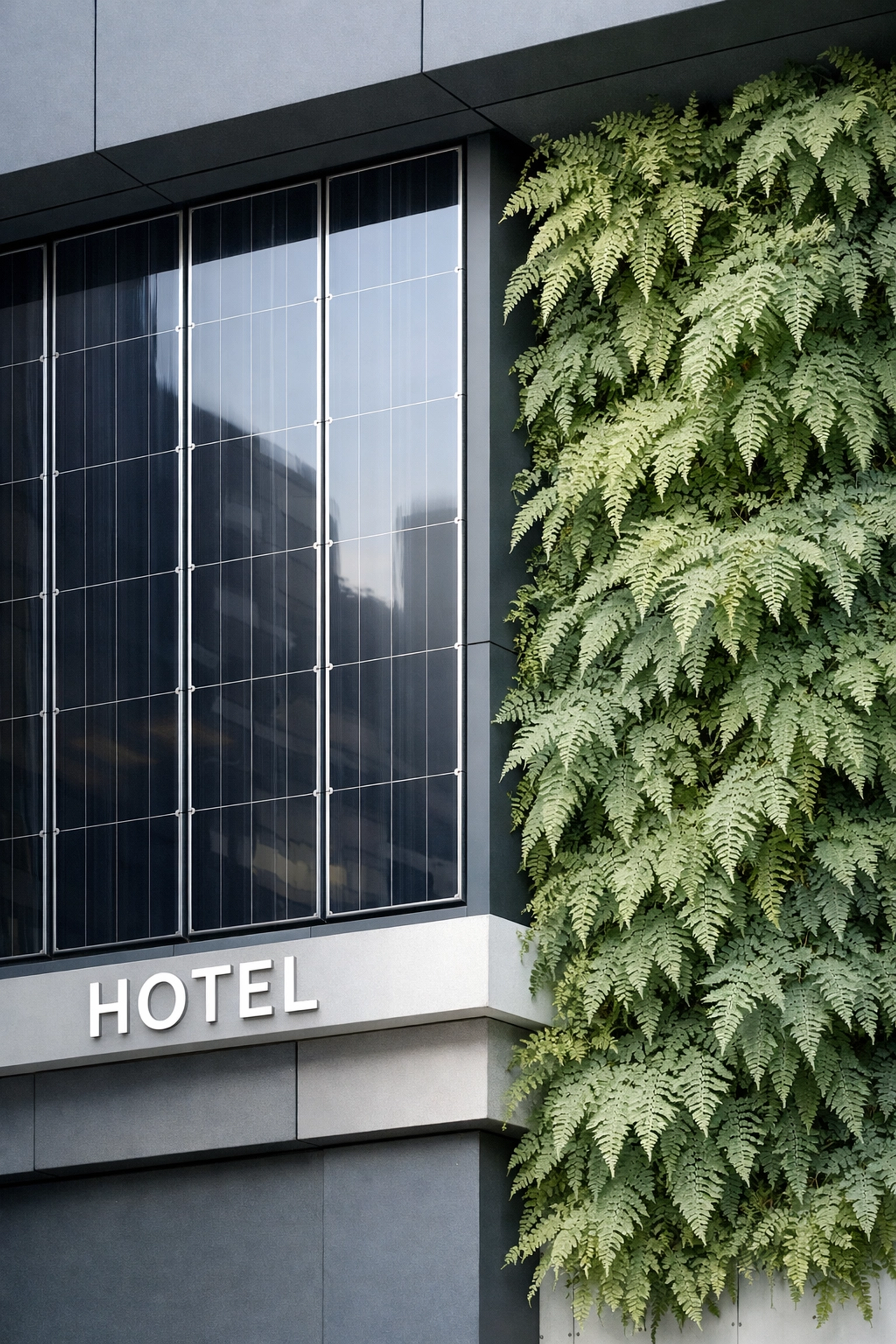
Sustainability is no longer a PR play; it’s an operational necessity. With rising energy costs and stricter regulations, hotels are turning into mini-power plants.
We’re seeing a massive uptick in properties implementing solar panels, wind turbines, and geothermal systems. But it's not just about generation: it's about conservation. Smart monitoring systems now detect a leak or an inefficient HVAC unit before your maintenance team even checks their email.
- Significant reduction in long-term operational costs.
- Appeal to the 80% of travelers who prefer eco-certified stays.
- Real-time data visualization of carbon footprints.
7. The Era of the "Whycation"
Intentionality is the theme of 2026. Travel has shifted toward the "Whycation": trips rooted in a specific purpose or cultural niche. Whether it's a "sleep retreat," a "creative sabbatical," or a "heritage tour," guests are aligning their trips with their personal values and hobbies.
Hotels must design experiences that go beyond the four walls of the room. If you aren't facilitating a meaningful memory, you're just a bed.
- Partner with local experts to lead niche workshops.
- Curate "purpose-driven" stay packages.
- Focus marketing on the feeling of the stay, not just the amenities.
8. Community-Centric Hospitality
The hotel of 2026 is a neighborhood hub. The lines between "tourist" and "local" are blurring. Leading hotels are partnering with local farmers, artisans, and small businesses to create an ecosystem that benefits everyone.
This isn't just about sourcing local honey for breakfast. It’s about hosting community events, featuring local art in the lobby (available for purchase), and directing guests to under-the-radar local gems.
- Stronger brand loyalty through authentic storytelling.
- New revenue streams from local foot traffic (cafes, co-working).
- Deeply integrated social responsibility.

9. Smart Water and Waste Management
While energy gets the headlines, water is the quiet crisis. Smart hotels are leading the charge with greywater recycling and sensor-activated everything.
In housekeeping, the trend is "chemical-free." Biodegradable products and high-efficiency laundry systems that use 50% less water are becoming the standard. Guests are no longer just "invited" to reuse towels; they are actively participating in the property's conservation goals through gamified apps and rewards.
10. Operational Excellence via Integrated Tech
Finally, none of these trends matter if your tech stack is a mess of disconnected legacy systems. Operational excellence in 2026 is about a unified platform.
The most successful hotels have moved away from "all-in-one" systems that do everything poorly, toward "best-of-breed" ecosystems connected by a powerful PMS core. You need a system that talks to your AI agents, your smart thermostats, and your guest’s smartphone without skipping a beat.
- Eliminate data silos for a single guest view.
- Automate 90% of routine check-in/out tasks.
- Scale your brand with a few clicks, not a few months.
See what Mews can do
The future of hospitality is already happening. It's faster, smarter, and more personal than ever before. To keep your hotel ahead of the curve, you need a partner that lives at the intersection of innovation and guest experience.
We believe that by automating the mundane, we can humanize the hospitality experience. Let us help you get back to what matters: taking care of your guests.
Ready to transform your property?
Get started with Mews today.
It only takes a 30-minute demo to see how our platform can save your team 10 hours a week and get you earning more revenue in no time. All from one innovative platform.
Leave a Reply