
You know what's brilliant about brewing coffee at home? You don't need expensive equipment or barista-level skills to make a genuinely excellent cup. Seriously. Most people are about four simple tweaks away from coffee that'll make them wonder why they ever bothered with that drive-through queue.
We're not talking about investing in a £2,000 espresso machine here. These are dead simple changes you can make today, like, right now, that'll transform your morning brew from "meh, it's caffeine" to "wait, I made this?"
Let's dive in.
Start With Better Water (Yes, Really)
Here's the thing nobody tells you: your coffee is about 98% water. So if your water tastes a bit off, your coffee's going to taste a bit off too. Makes sense, right?
Tap water in most places is perfectly safe to drink, but it often contains chlorine, minerals, and other bits that can mess with your coffee's flavour. That slight metallic taste? That weird flatness? Often, it's the water.
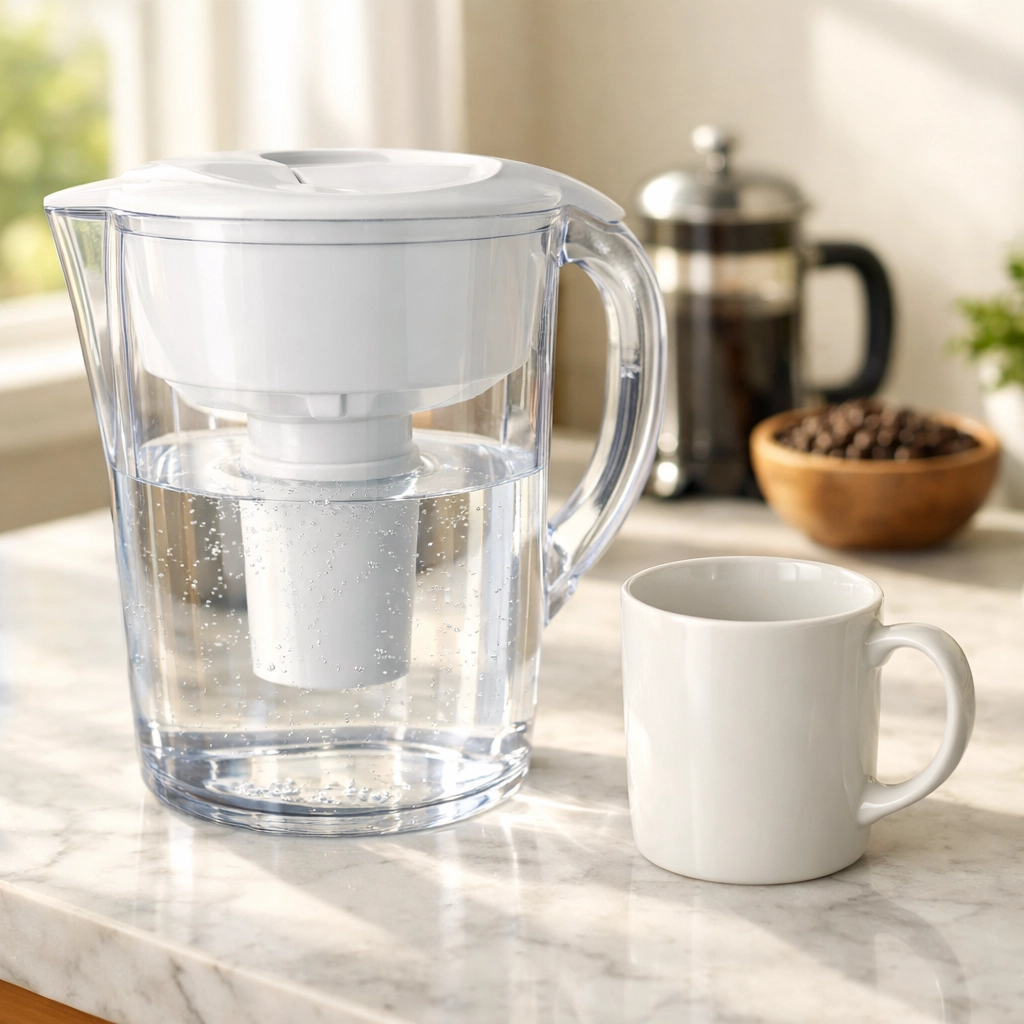
The fix is stupidly simple: use filtered water. You don't need anything fancy, a basic Brita jug from the supermarket will do the job. Or if you've got a filter on your tap, brilliant, use that. The difference is genuinely noticeable, especially if you're brewing lighter roasts where the delicate flavours really shine through.
We've tested this loads here at Limini, and honestly, the same beans brewed with tap water versus filtered water can taste like two completely different coffees. The filtered version is cleaner, brighter, and lets those fruity or floral notes actually come through instead of getting buried under chlorine.
One quick note though: don't use distilled or completely demineralized water. Coffee actually needs some minerals to extract properly. Filtered water hits that sweet spot, clean but not stripped bare.
Ditch the Spoon, Grab the Scales
Alright, this one might sound a bit nerdy, but stick with us: weighing your coffee instead of using spoons is an absolute game-changer. And no, you don't need to be a precision-obsessed coffee geek to appreciate this.
Here's why it matters. Coffee beans are wildly inconsistent in size and density. A scoop of light roast Ethiopian beans will weigh completely different to a scoop of dark roast Brazilian beans. So if you're using spoons or scoops, you're basically guessing every single time. Some days you'll get a strong cup, other days it'll taste weak, and you'll have no idea why.
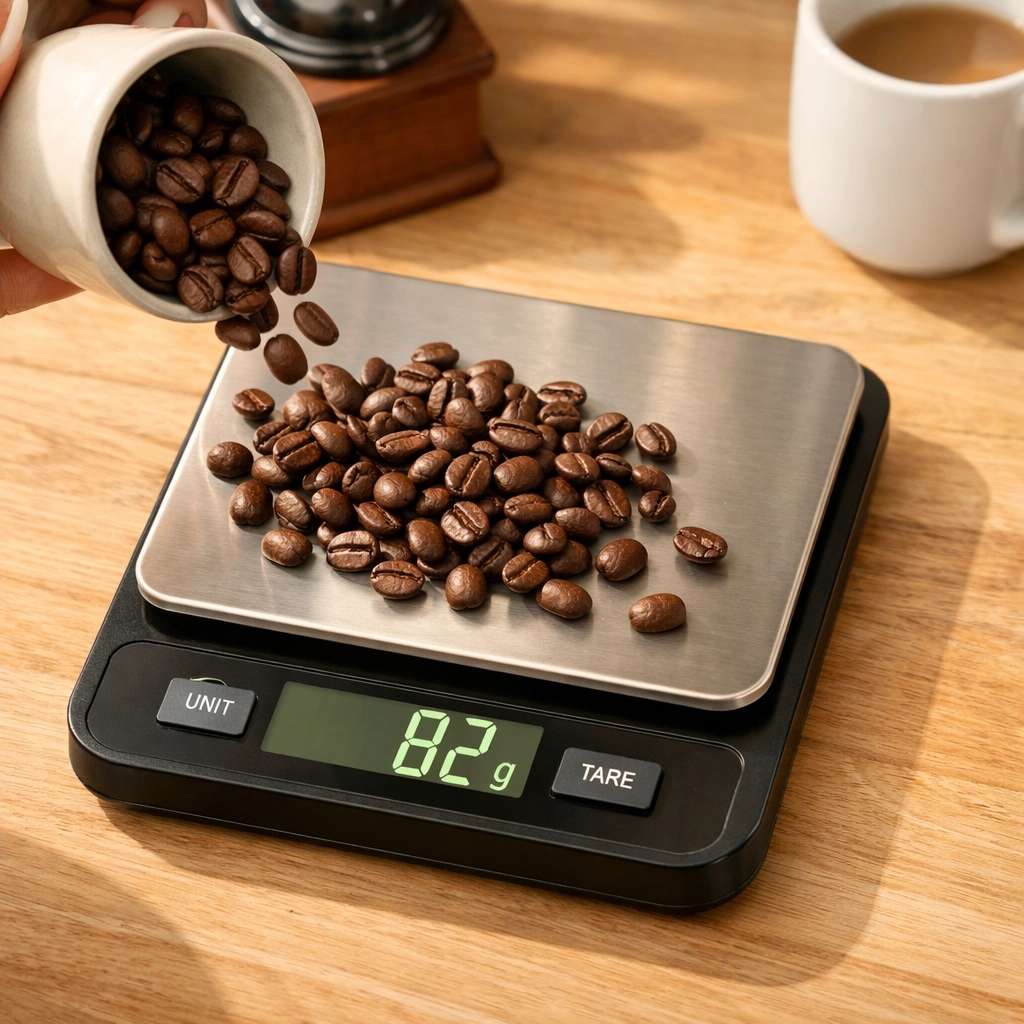
With a basic digital scale (you can grab one for under a tenner), you can use the same ratio every time: roughly 60 grams of coffee per litre of water is a solid starting point. That's about 15 grams for a standard 250ml cup. Adjust from there based on your taste, want it stronger? Bump it up to 17 or 18 grams. Prefer it lighter? Drop it to 13 or 14.
The magic here is consistency. Once you find your sweet spot, you can recreate it every single morning without thinking. No more "yesterday's coffee was perfect, today's is rubbish" confusion.
And honestly, weighing is faster than faffing about with spoons anyway. You just stick the brewer on the scale, zero it out, pour beans until you hit your number, done. Takes five seconds.
Preheat Everything (It's Not Just Theatre)
This one sounds a bit fancy, but it's genuinely important, especially in the winter. If you're brewing into a cold mug or using a cold brewing device, you're immediately dropping the temperature of your coffee. And temperature matters. A lot.
Think about it: you've carefully heated your water to the proper brewing temperature (ideally somewhere around 92-96°C for most methods), extracted all those lovely flavours, and then you pour it into a freezing cold mug that instantly sucks 10 degrees out of it. Your coffee goes lukewarm before you've taken your first sip. Bit gutting, really.
The fix? While your water's heating up, pour some of that hot water into your mug or brewing device. Let it sit for 30 seconds to a minute, warming everything up. Then dump that water out right before you brew.
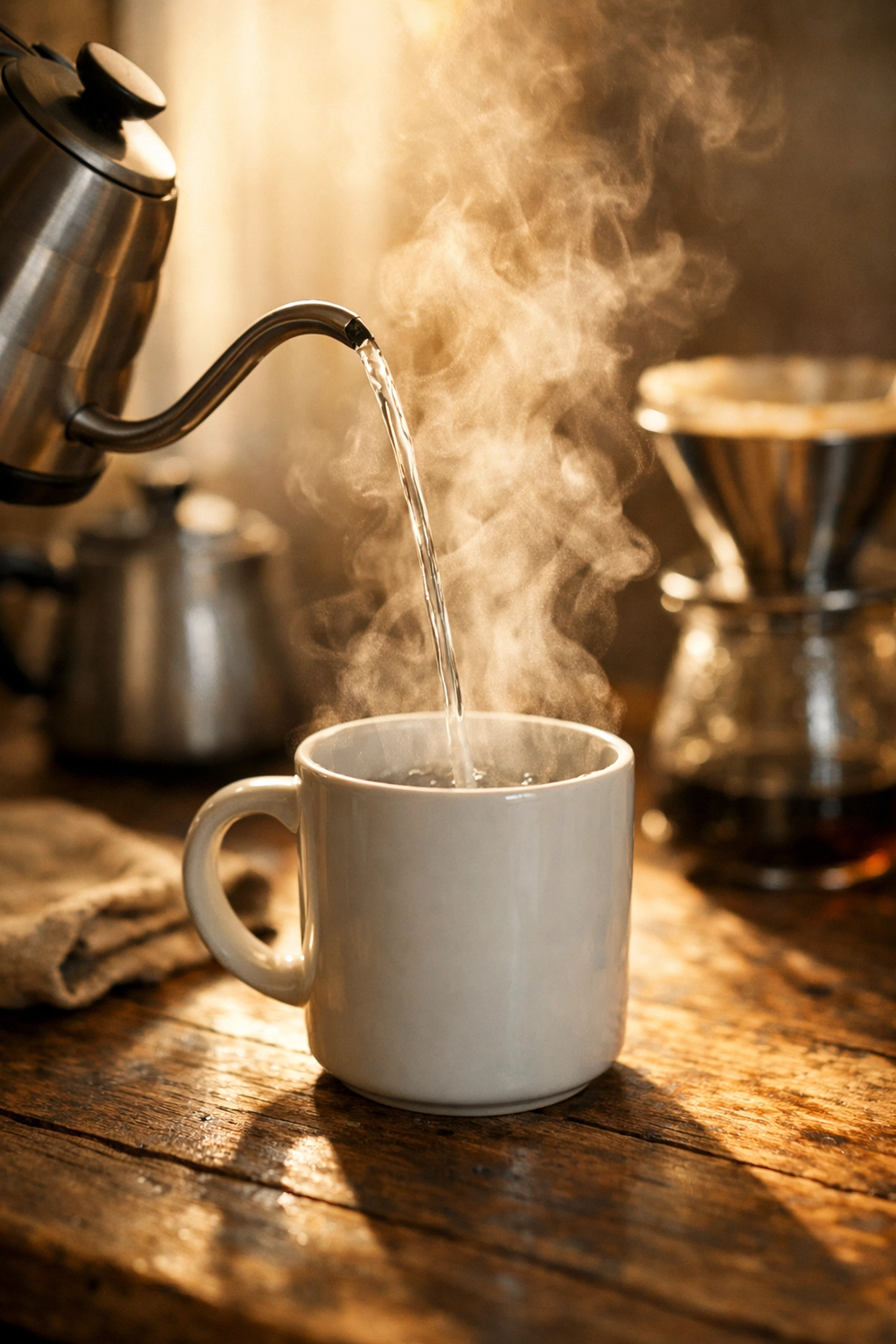
Same goes for French presses, V60s, cafetieres, basically any brewing kit you're using. Give it a quick preheat. This keeps your coffee at the optimal drinking temperature for longer, and it also helps with extraction if you're doing pour-over methods, since the brewing device itself isn't stealing heat from the process.
Takes maybe an extra minute. Completely worth it.
Buy Fresh Beans (Not Supermarket Stuff)
Right, this is probably the biggest one. If you're still buying pre-ground coffee from the supermarket, we need to have a chat.
Coffee starts losing flavour the moment it's roasted, and it accelerates dramatically once it's ground. Those bags sitting on supermarket shelves? They were probably roasted months ago, ground weeks ago, and have been slowly going stale ever since. The bag might say "fresh," but by the time it hits your kitchen, most of the aromatic compounds that make coffee actually taste good have already done a runner.
Fresh, properly roasted speciality coffee is a completely different beast. We're talking beans that were roasted within the last few weeks, sometimes days. You can actually smell the difference when you open the bag, there's this incredible aroma that supermarket coffee just doesn't have anymore.
Here's what we recommend: buy whole beans from a proper speciality roaster (hello, we've got some excellent options at Limini Coffee), and grind them right before you brew. If you don't have a grinder yet, that's your next purchase. Even a basic hand grinder will give you coffee that tastes leagues better than pre-ground stuff.
When you're buying beans, look for a roast date on the bag. If there isn't one, that's usually a red flag. Good roasters are proud of their roast dates because they know freshness matters. Aim to use beans within 2-4 weeks of roasting: that's when they're at their absolute peak.
And if you're feeling adventurous, try different origins and roast profiles. Ethiopian beans will taste completely different to Colombian ones. Light roasts showcase fruity and floral notes, while medium roasts give you more balance and chocolate-y sweetness. Part of the fun is exploring what you actually like.
Browse our selection at Limini Coffee and you'll find detailed tasting notes for each coffee, so you can pick something that matches your vibe.
A Few Quick Bonus Hacks
Since we're on a roll, here are a few more small things that make a surprising difference:
Clean your equipment regularly. Old coffee oils build up and go rancid, making everything taste a bit funky. Give your brewer a proper wash with hot soapy water at least once a week.
Don't reheat coffee. We know it's tempting when you've made too much, but reheated coffee tastes rough. The heat breaks down compounds that were perfectly balanced the first time around. Just make less, or commit to drinking it at room temperature if you must (cold brew is a different story: that's lovely chilled).
Store your beans properly. Keep them in an airtight container, away from light, heat, and moisture. Not in the fridge or freezer: just a cool, dark cupboard is perfect.
Adjust your grind. If your coffee tastes sour or weak, try grinding finer. If it's bitter and harsh, grind coarser. Small adjustments make a big difference, especially with pour-over methods.
Give It a Go
Look, you don't need to implement all of these at once. Pick one: maybe start with filtered water or weighing your coffee: and see what happens. We reckon you'll be genuinely surprised at how much better your morning brew tastes.
The beautiful thing about these hacks is they're not complicated or expensive. They're just small intentional choices that show a bit of respect for the coffee you're making. And honestly, when you're starting your day with something that actually tastes excellent rather than just tolerable, it sets a completely different tone.
So tomorrow morning, before you hit that brew button, try one of these tricks. Your taste buds will thank you. And if you're ready to really level up, grab some freshly roasted beans and taste what coffee's supposed to be like.
Your mornings are about to get significantly better.
Leave a Reply