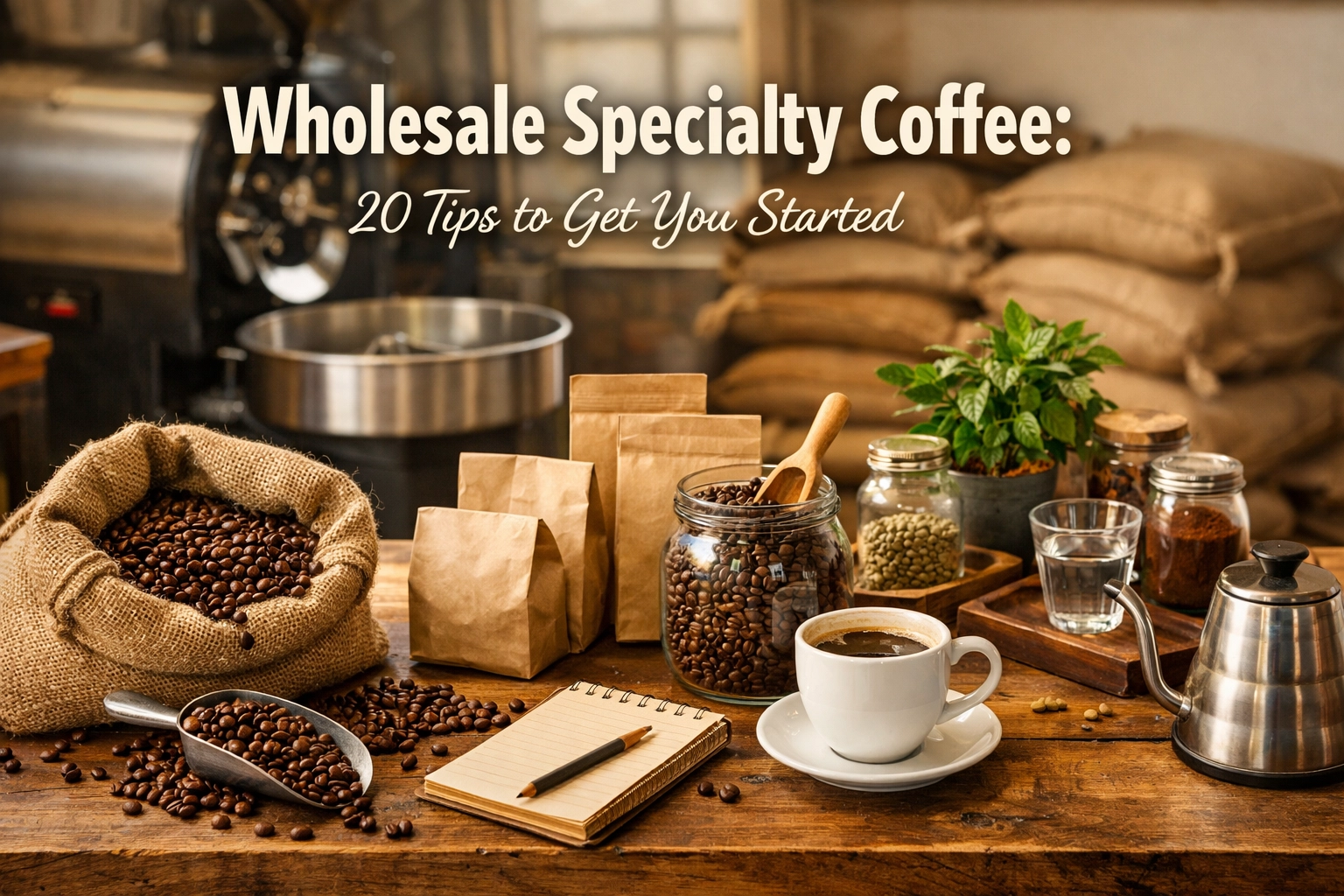
So, you’ve decided to take the plunge into the world of wholesale specialty coffee? That is a bold, exciting, and occasionally caffeinated-to-the-point-of-jitters move. Whether you’re a roaster looking to expand your reach or a café startup trying to navigate the complex web of coffee suppliers, getting the foundations right is the difference between a thriving business and one that’s just, well, lukewarm.
At Limini Coffee, we’ve spent years working alongside wholesale partners, helping them navigate the highs and lows of the industry. It’s not just about roasting beans; it’s about building a sustainable ecosystem. To help you on this journey, we’ve put together 20 essential tips to get you started on the right foot. And if you’re looking for a partner who lives and breathes this stuff, you can always find us right here at Limini Coffee.
1. Master the Coffee Fundamentals
You can’t sell what you don’t understand. Before you even think about signing a wholesale contract, you need to understand the journey from seed to cup. This means learning about coffee botany, harvesting methods, and the drying process. Why? Because when a potential client asks why your Ethiopian Yirgacheffe is more expensive than the "Italian Blend" from the local supermarket, you need to be able to explain the value of high-altitude growing and hand-sorting without breaking a sweat.
2. Research Your Market Segments
Not every coffee shop is your target customer. Some businesses want the cheapest possible beans to serve in 16oz paper cups with three pumps of syrup. Others want to highlight the floral notes of a light-roast washed Gesha. Decide who you are for. Are you looking to supply high-end boutique retailers, or are you aiming for high-volume restaurants? Knowing your segment helps you tailor your sales pitch and your roast profiles.
3. Develop a Bulletproof Business Plan
"Roast good coffee and they will come" is a lovely sentiment, but it isn’t a business plan. You need to conduct deep market research. Who are the existing wholesale coffee roasters in your area? What is their pricing? What are they missing? Your plan should outline your sourcing strategy, your marketing budget, and your growth milestones. It keeps you grounded when things get hectic.
4. Choose Your Specialty Focus
In the beginning, it’s tempting to try and be everything to everyone. You’ll want to offer twenty different origins and five roast levels. Don't. It’s a recipe for wasted stock and inconsistent quality. Instead, pick a few standout origins, perhaps a solid Brazilian for espresso and a rotating African single-origin, and master them. Specialization builds authority.
5. Decide on Your Product Format
Are you selling whole beans, ground coffee, or both? In the specialty world, whole bean is king because it preserves freshness. However, some wholesale clients (like small delis or offices) might require pre-ground options. Just remember: once coffee is ground, the clock starts ticking much faster. We generally recommend pushing whole beans whenever possible to ensure the end customer gets the best experience.
6. Strategy Behind Roast Profiles
Roasting is as much a science as it is an art. You need to determine which roast levels your target market prefers. If you’re targeting traditional cafés, they might want a medium-dark roast that cuts through milk. If you’re targeting "third-wave" shops, they’ll likely want something lighter and more acidic. Conduct cupping sessions with potential buyers to see what actually resonates with their palates.
7. Partner with Quality Suppliers Directly
Cutting out the middleman is a great way to ensure quality and better margins. We believe in building long-term relationships with coffee farms and reputable importers. This allows you to tell a story about where the coffee comes from, which is a massive selling point in the specialty industry. If you want to see how we handle this, take a peek at how we're sourcing our coffee.
8. Understand Cupping Scores
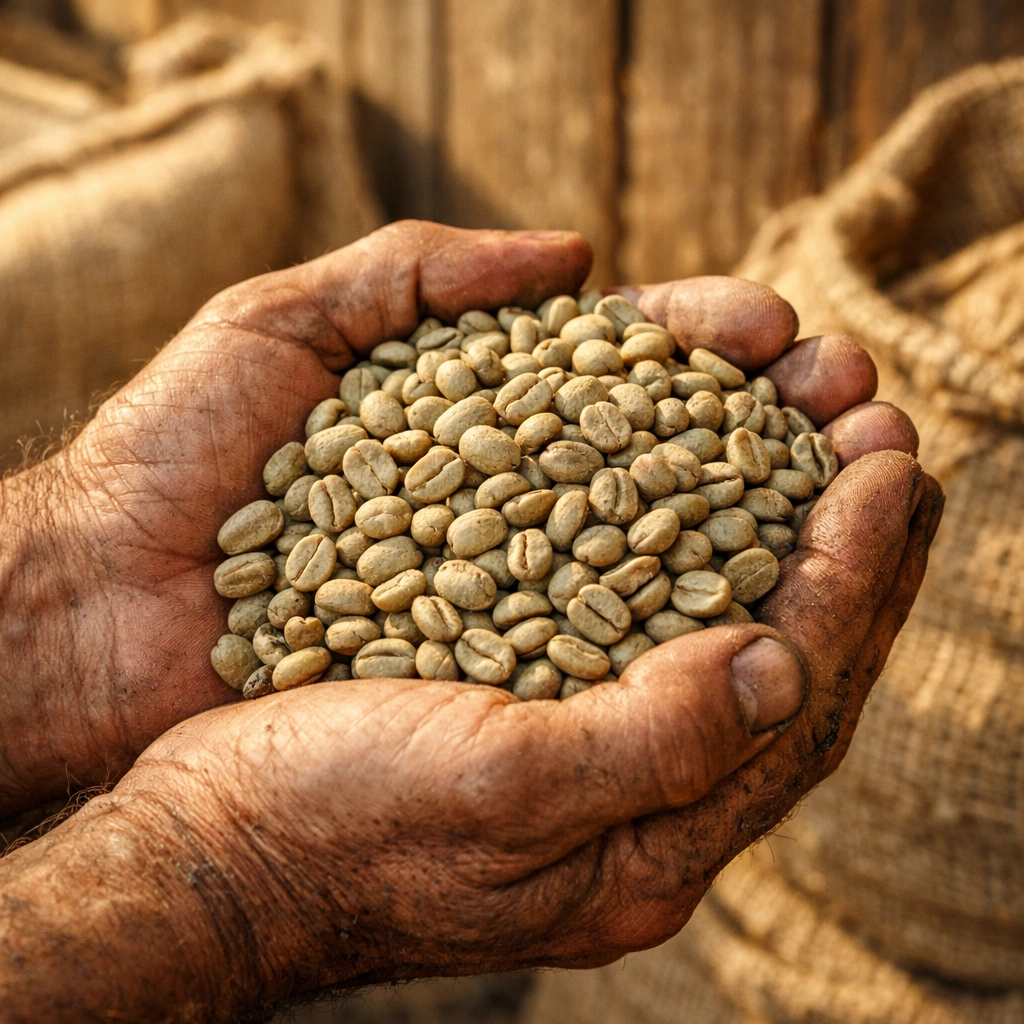
Specialty coffee isn’t just a buzzword; it’s a technical grade. Anything scored above 80 points by a Q-Grader is considered specialty. Knowing these scores helps you justify your pricing. If you’re selling an 86-point coffee, you’re selling a premium product. Learn to cup coffee professionally so you can verify the quality of the green beans you’re buying.
9. Invest in Proper Storage
Green coffee is a seasonal, organic product. It doesn’t like humidity, and it definitely doesn’t like heat. You need a warehouse or storage area that is temperature-controlled and dry. If your green beans age too quickly or pick up "baggy" taints from a damp floor, your roast quality will suffer regardless of how good your roaster is.
10. Master Green Coffee Pricing
Green coffee prices fluctuate based on the "C Market" (the global commodity price) plus a "specialty premium." You need to understand how this works so you aren't caught out by price spikes. Bulk inventory is usually your biggest cost, so managing it wisely is crucial for cash flow.
11. Calculate Your Total Costs
It’s easy to look at the price of green coffee and think you’re making a fortune. But have you factored in the weight loss during roasting (usually 12-18%)? What about packaging, labels, energy costs, and delivery? And don't forget the manpower. To stay profitable, you need a clear grasp of your gross profit margins. If you’re struggling with the math, tools like our coffee brewing calculator can help you understand ratios, though the business side requires even more scrutiny!
12. Set Clear Pricing Guidelines
Don’t make up prices on the fly. Establish a clear price list for different volume tiers. If a café buys 20kg a week, they should get a better rate than a small office buying 2kg. Having these guidelines in place prevents awkward negotiations and ensures all your clients feel they are being treated fairly.
13. Professional Ordering Systems
In the early days, you might take orders via WhatsApp or a scribbled note. That won't scale. Set up a professional system, whether it’s an online portal or a dedicated ordering email. Reliability is the number one thing wholesale clients look for in coffee suppliers. If you’re easy to work with, they’ll stay with you for years.
14. Start Local and Small
Don’t try to land a national supermarket chain in your first month. Start with the independent grocery store down the road or the local bistro. These businesses often love supporting local roasters, and the logistics are much easier to manage. It’s also a great way to get feedback and refine your product.
15. Cold Calling with Samples
Yes, cold calling is terrifying, but it works. When you visit a potential client, don't go empty-handed. Bring fresh samples and a "sell sheet", a one-page document that explains who you are, what your coffee tastes like, and why it will make their customers happy. Let the coffee do the heavy lifting.

16. Craft a Compelling Brand Story
In a crowded market, your story is your edge. Why did you start? What do you believe in? Maybe you’re focused on ethical sourcing, or perhaps you’re obsessed with technical roasting precision. Whatever it is, weave it into your branding. People don't just buy coffee; they buy into the people behind it. Check out our about us page to see how we tell our story.
17. Target Quality-Focused Businesses
If a business is fighting over a 50p difference in price per kilo, they might not be the right fit for specialty coffee. Target the businesses that prioritize the "in-cup" quality. These are the partners who will appreciate your expertise and work with you to ensure the coffee is brewed correctly.
18. Understand Different Client Needs
A high-volume café needs consistency and fast delivery. A boutique hotel might need beautiful packaging and staff training. A restaurant might need help with their equipment. Tailor your service to solve their specific problems. This turns you from a "supplier" into a "partner."
19. Buy Green Coffee Forward
Once you know which coffees are your best sellers, talk to your importers about "buying forward." This means committing to a certain amount of coffee from a future harvest. It locks in the price and ensures you won't run out of your flagship espresso blend halfway through the year.
20. Emphasize Reliability and Service
At the end of the day, you can have the best coffee in the world, but if the delivery is late or the bags are leaking, you’ll lose the client. Success in wholesale is built on trust. Be the roaster who answers the phone, who helps calibrate the grinder when it’s acting up, and who never misses a delivery.
Starting a wholesale specialty coffee business is a marathon, not a sprint. It requires patience, a lot of cupping, and a genuine love for the craft. If you’re feeling overwhelmed, remember that you don't have to do it alone. Whether you need barista training for your team or you're looking for high-quality wholesale coffee roasters to supply your new venture, we’re here to help.
If you’re ready to take the next step and want to partner with a team that actually cares about your success, check out what we do at Limini Coffee. And hey, if you want to support more content like this, feel free to use Scott's link right here: https://www.liminicoffee.co.uk/?af=1471531379787.
Now, go forth and brew something amazing!
Leave a Reply