You’ve spent months: maybe years: obsessing over the floor plan. You’ve argued over the exact shade of teal for the walls, agonized over the height of the bar, and spent a small fortune on a sound system that delivers the perfect "chill-but-vibey" playlist.
But then, when it comes to the actual product you're selling, you decide to "save a bit of cash" by going with a bulk, commodity-grade coffee supplier.
We see it happen all the time. And to be honest, it’s a real shame.
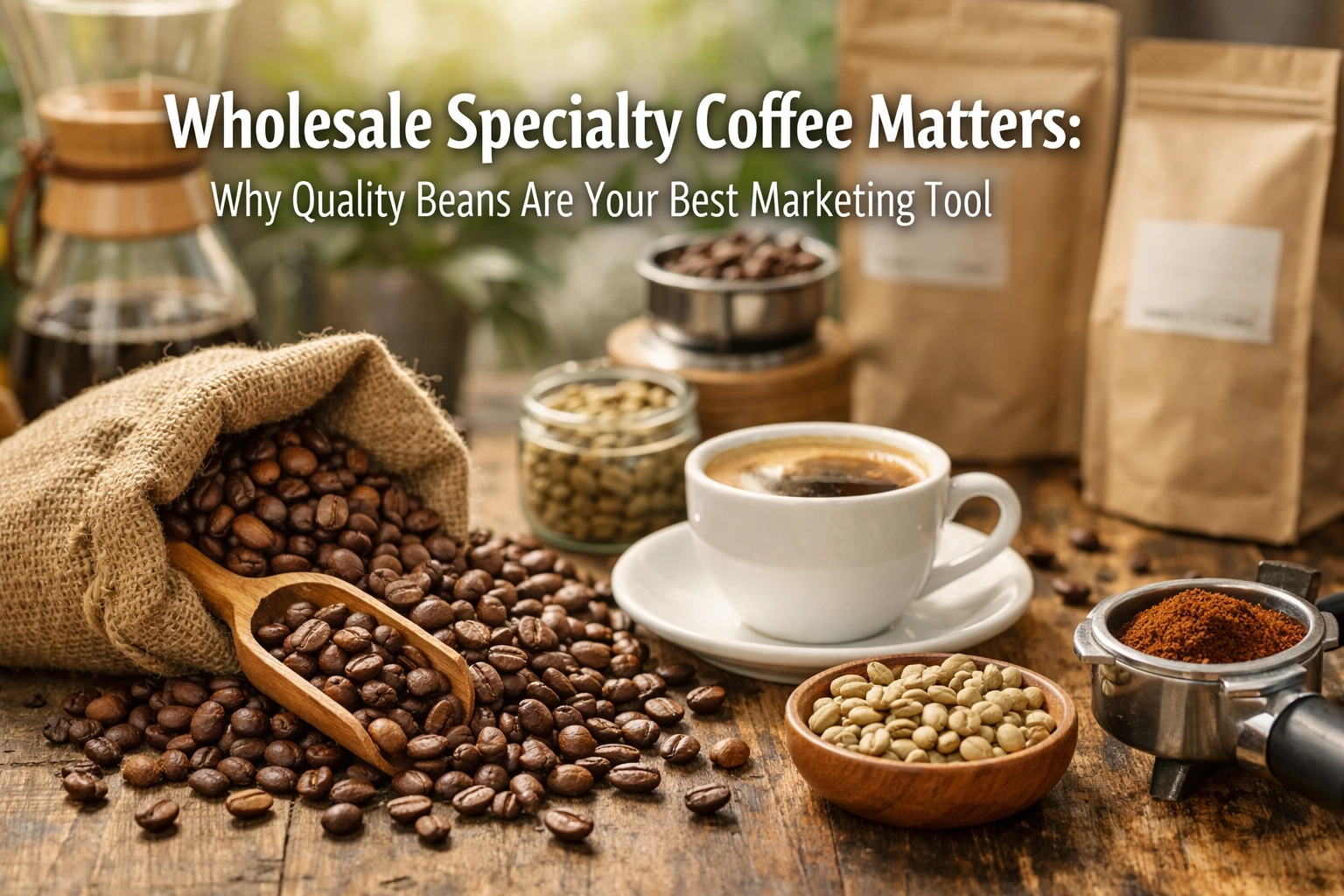
The truth is, your coffee is your most powerful marketing tool. It’s the reason people walk past three other shops to get to yours. It’s the reason they tell their friends, "You have to try the flat white at that new place." If the coffee is mediocre, all that beautiful branding and expensive furniture won't save you. People might come for the aesthetics, but they only return for the taste.
At Limini Coffee, we believe that wholesale specialty coffee isn't just a "premium option": it’s the foundation of a sustainable, profitable business.
Quality is the Silent Salesman
Why does quality matter so much? Because in 2026, customers are more educated about coffee than ever before. They know the difference between a dark, oily, bitter bean and a well-roasted specialty bean with clarity and sweetness.
When you serve specialty coffee, you aren't just selling a caffeine hit. You’re selling an experience.
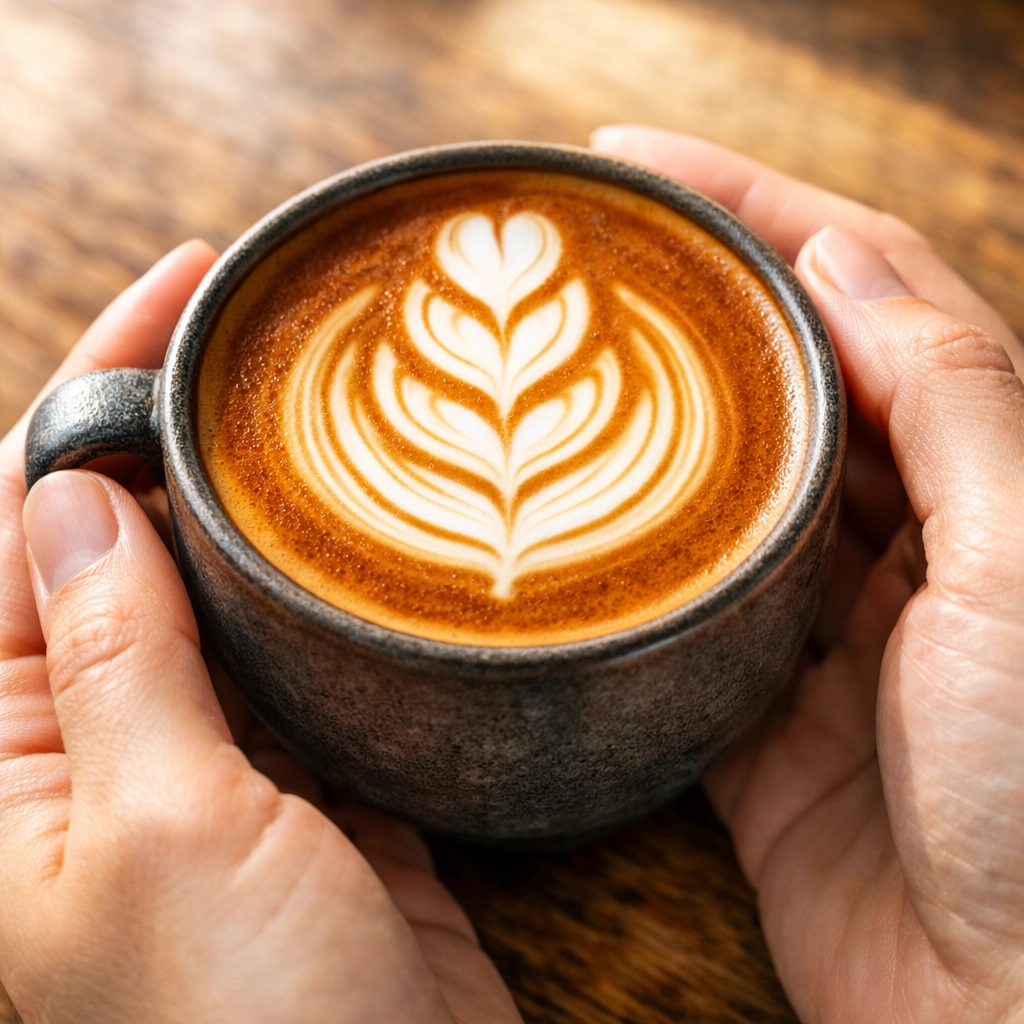
Imagine a customer takes their first sip. Instead of that "charred" taste they’ve grown used to at high-street chains, they get notes of milk chocolate, a hint of red berries, and a creamy mouthfeel. (We lovingly call this the "wow factor".) That customer is now a walking advertisement for your shop.
Quality creates loyalty. And loyalty is much cheaper than constantly trying to acquire new customers through paid ads or flyers. When the coffee is exceptional, your customers do the marketing for you.
The Problem with Bulk Coffee
So, why not just buy the cheapest beans available?
The problem is consistency and freshness. Bulk coffee is often roasted months before it reaches your door. By the time you get it, the volatile oils: the stuff that actually tastes good: have oxidized. This leads to that flat, cardboard-like flavour we all want to avoid.
Furthermore, commodity coffee is often roasted to death to hide defects in the beans. This results in a "one-size-fits-all" bitter flavour profile. If your coffee tastes the same as the coffee at the petrol station down the road, why should anyone pay a premium to drink yours?
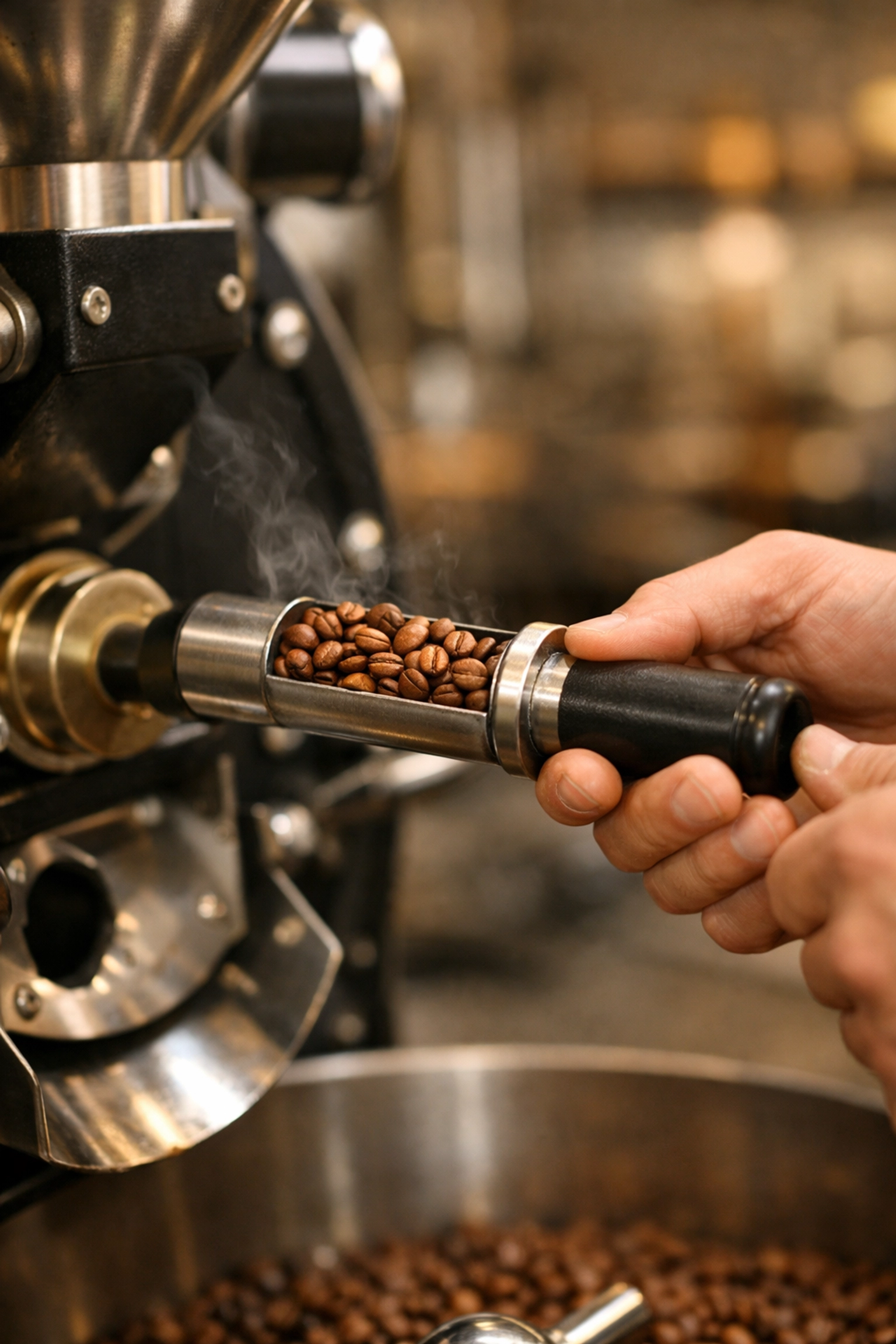
When you work with professional wholesale coffee roasters, you’re getting beans that are roasted to order. Freshness is everything. We recommend using beans between 7 and 30 days after the roast date for the best results.
Choosing the Right Wholesale Coffee Roasters
Choosing a supplier is like choosing a business partner. You want someone who is as invested in your success as you are.
When looking for coffee suppliers, don’t just look at the price per kilo. Look at what’s included in the package. A cheap bean becomes very expensive if your staff don't know how to dial it in, or if your machine breaks down on a Saturday morning and your supplier is nowhere to be found.
Here at Limini Coffee, we don't just ship boxes of beans. We provide the full support system. This includes:
- Barista Training: You could have the best beans in the world, but if your extraction is off, it’ll taste like battery acid. We offer comprehensive training overview to make sure your team is confident.
- Equipment Advice: Choosing the right kit is a minefield. From heat exchangers to dual boilers, we help you navigate choosing espresso equipment that fits your volume and budget.
- Ongoing Support: We’re here to help you grow. If you’re struggling with your milk texture (which is so important for those silky microfoam lattes), we’ve got guides on understanding milk to get you back on track.
If you’re ready to level up your coffee game, you can check out our wholesale options here.
Differentiation in a Crowded Market
The coffee industry is crowded. Extremely crowded. To survive, you need a point of difference.
Specialty coffee allows you to tell a story. You can talk about the farm, the processing method, and the ethical sourcing. People love knowing where their food and drink come from. It adds value to the purchase.
When you source through specialty roasters, you’re often supporting direct trade relationships that ensure farmers are paid significantly above the C-market price. This isn't just "feel-good" marketing; it’s a commitment to quality and ethics that resonates with modern consumers.
You can even create your own "theatre" around the coffee. From the way the beans are ground to the precise tamping (see our guide on tamping), every step is a performance. This theatre of coffee justifies the premium price and keeps people coming back for the "show".
The Technical Side: Freshness and Precision
Let’s get a bit nerdy for a second. (We don't apologize for it: it’s necessary knowledge!)
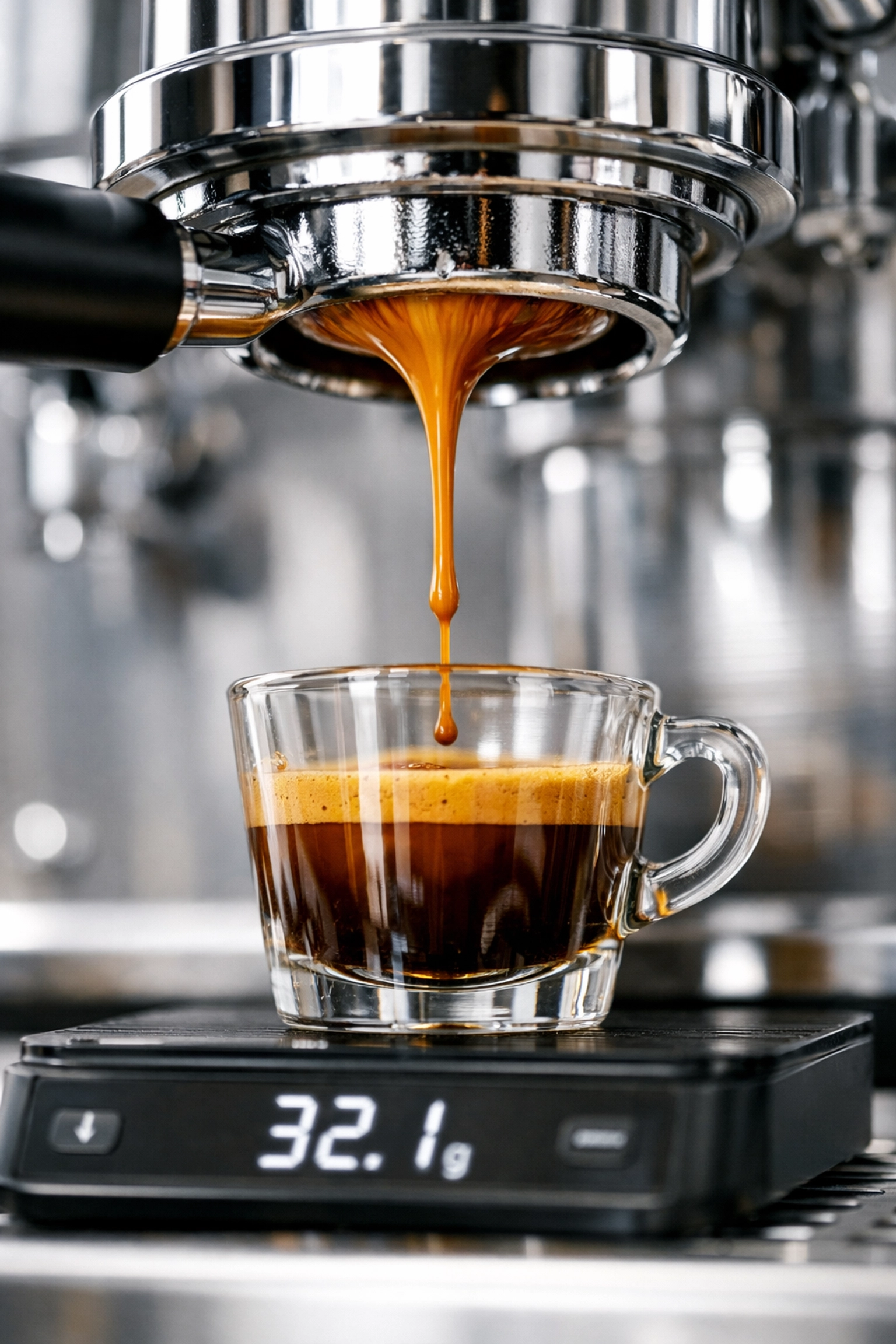
In specialty coffee, we talk about extraction in terms of percentages and ratios. For example, a standard espresso might use 18g of ground coffee to produce 36g of liquid espresso in about 27–30 seconds.
To achieve this consistently, you need high-quality wholesale beans that have been roasted with precision. Mass-produced beans are inconsistent in size and density, making it impossible to get a steady "dial-in".
We also need to talk about temperature. Most specialty coffees perform best when brewed between 92 °C and 95 °C (198 °F to 203 °F). If your machine can’t hold those temperatures, or if your beans are too old to hold a decent crema, you’re fighting an uphill battle.
Branding and Profitability
It sounds counter-intuitive, but buying more expensive beans can actually lead to higher profits.
How? Because you can charge more per cup.
If you’re using commodity beans, you’re competing on price. There’s always someone willing to go lower. But if you’re using top-tier specialty beans from reputable coffee suppliers, you’re competing on quality.
Customers are happy to pay £3.50 or £4.00 for a latte if it’s the best latte they’ve had all week. If it’s just "fine", they’ll complain if the price goes up by 20p.
Plus, specialty roasters help you with inventory management. Instead of buying a pallet of beans that sits in your storeroom for six months, you buy what you need weekly. This keeps your cash flow healthy and your coffee fresh. It's a win-win.
Support That Matters
Starting a cafe is stressful. We’ve been there. From building a coffee shop to choosing the right coffee cups, there are a million decisions to make.
The last thing you want to worry about is whether your coffee is going to be good this week.
When you partner with us at Limini Coffee, you’re getting a team that cares about your brew as much as you do. We want your customers to be happy. We want your baristas to be proud of the drinks they're serving.

Final Thoughts: Don't Compromise
Your coffee is the heart of your business. It’s your identity, your marketing, and your primary source of revenue. Don't treat it as an afterthought.
Invest in quality beans. Invest in training. Invest in a partnership with a roaster who knows their stuff.
Basically, if you treat your coffee with respect, your customers will treat your business with loyalty. And in the long run, that is the best marketing strategy you could ever have.
If you would like to chat about how we can help your business grow, or if you're just starting your journey and need some advice on equipment like the La Spaziale range, we’d love to hear from you.
Check out our full range of wholesale services and become part of the Limini family today: Visit Limini Coffee.
That is the beauty of coffee 🙂
Leave a Reply