If you've noticed your favorite beans costing a bit more lately, you're not imagining things. Coffee prices have been on quite the journey over the past year or so, and it's affecting everyone from large café chains right down to us home brewers who just want a proper cup in the morning.
So what's actually going on? And more importantly, what can you do about it without compromising on the quality you've come to love?
The Perfect Storm That Hit Coffee Prices
The coffee price surge isn't just one thing going wrong: it's several factors colliding at once. Think of it as a perfect storm, but instead of rain, we're dealing with drought, heat, and some seriously stressed coffee plants.
Climate Chaos in the Coffee Belt
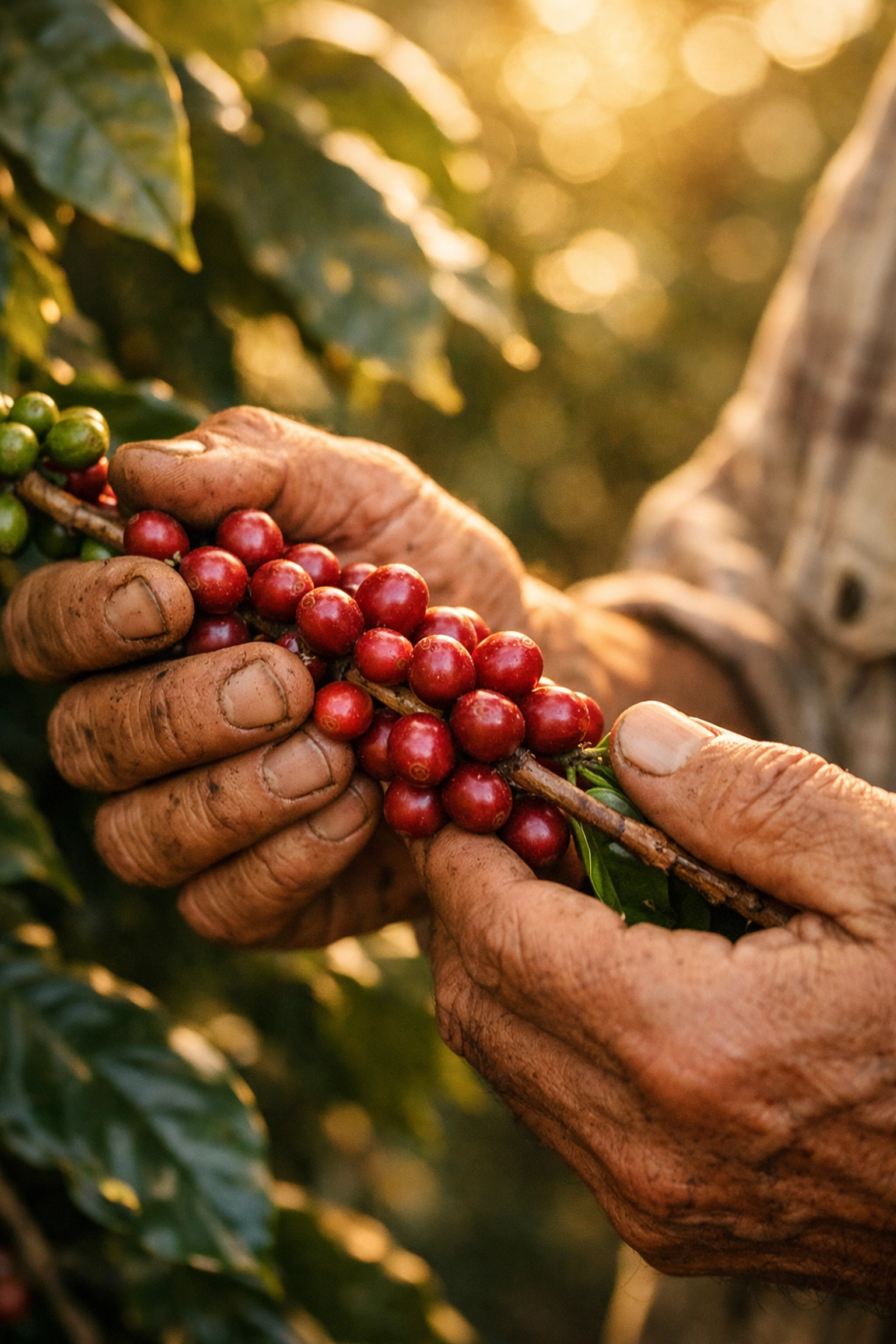
Brazil and Ethiopia, two of the world's most critical coffee origins, have faced significant climate disruptions. We're talking droughts, unpredictable rainfall, and heat waves that have absolutely hammered harvest yields. Brazil, which produces about a third of the world's coffee, has been particularly affected.
The cumulative damage from these climate events has fundamentally shifted the cost base of the entire industry. Even though Brazil received above-average rainfall in January 2026, the plants are still recovering from previous stress. Coffee trees don't just bounce back overnight: they need time.
The Futures Market Went Wild
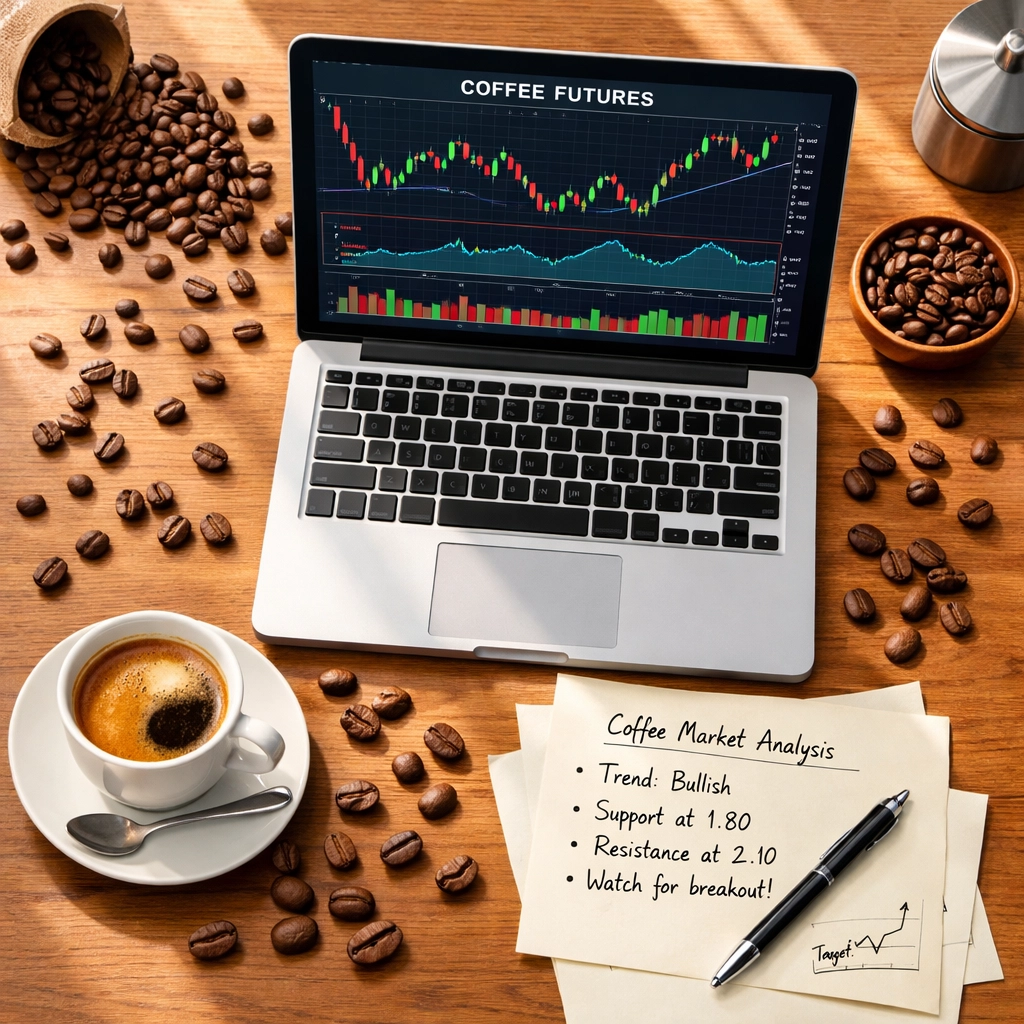
Here's where it gets technical, but stick with me. Coffee is traded as a commodity, and the price everyone references is called the ICE "C-price" for arabica beans. In February 2025, this price hit $4.41 per pound: more than double what it had been previously. That's a historic high.
Why does this matter to you? Because when roasters like us at Limini Coffee buy green coffee, these futures prices directly influence what we pay. Even though prices have moderated to around $3 per pound recently, that's still significantly higher than the five-year average.
Everything Else Got More Expensive Too
Beyond just the coffee beans themselves, there's been sustained increases across the board: labor costs, energy bills, fuel for shipping, freight logistics, packaging materials. For roasters and home brewers alike, it's not just one thing: it's everything at once.
This is why you can't just look at green bean prices and predict retail prices. Even when raw coffee costs ease a bit, all these other operational pressures keep final prices elevated.
The Numbers Tell the Story
Let's put this in perspective. Green coffee bean prices have risen approximately 115% on average. That's more than doubling. However, retail prices for roasted coffee have only increased about 17%.
What does that mean? Roasters are absorbing a massive amount of margin compression to keep prices reasonable for customers. Ground roast coffee averaged over $9 per pound in the fourth quarter of 2025: and that's the roasters doing their best to soften the blow.
What This Means for Your Home Brewing Setup
So how does all this affect your morning ritual?
First, the beans you love are going to cost more. There's no way around that basic fact. But the good news is that you have more control over your coffee costs than you might think.
Quality Matters More Than Ever
When coffee gets more expensive, the temptation is to go cheaper to save money. We get it. But here's the thing: you end up using more cheap coffee because it doesn't satisfy, and you're actually getting less value per pound.
Premium specialty coffee from roasters who source ethically and roast skillfully gives you more flavor per gram. You can actually use less coffee per brew and still get incredible results. That's genuine value.
Buy Smart, Not Just Cheap
Consider buying directly from specialty roasters rather than grocery store brands. When you buy from a roaster like Limini Coffee, you're cutting out middlemen and getting fresher beans that will taste better and go further. Fresh is best, and it genuinely makes your coffee budget stretch.
You might also want to explore different origins. As climate affects different regions, some origins become more affordable while maintaining excellent quality. Don't be afraid to try a new single origin: you might discover your new favorite and save money at the same time.
Buy in Sensible Bulk
If you find beans at a good price, consider buying a bit more than usual. Coffee beans stay fresh for several weeks when stored properly in an airtight container away from light and heat. Just don't go overboard: you still want to consume them within a reasonable timeframe for optimal flavor.
Some roasters offer subscription services that can lock in pricing and ensure you never run out. The consistency can actually help with budgeting your coffee spending month to month.
Practical Strategies for Right Now
Brew More Efficiently
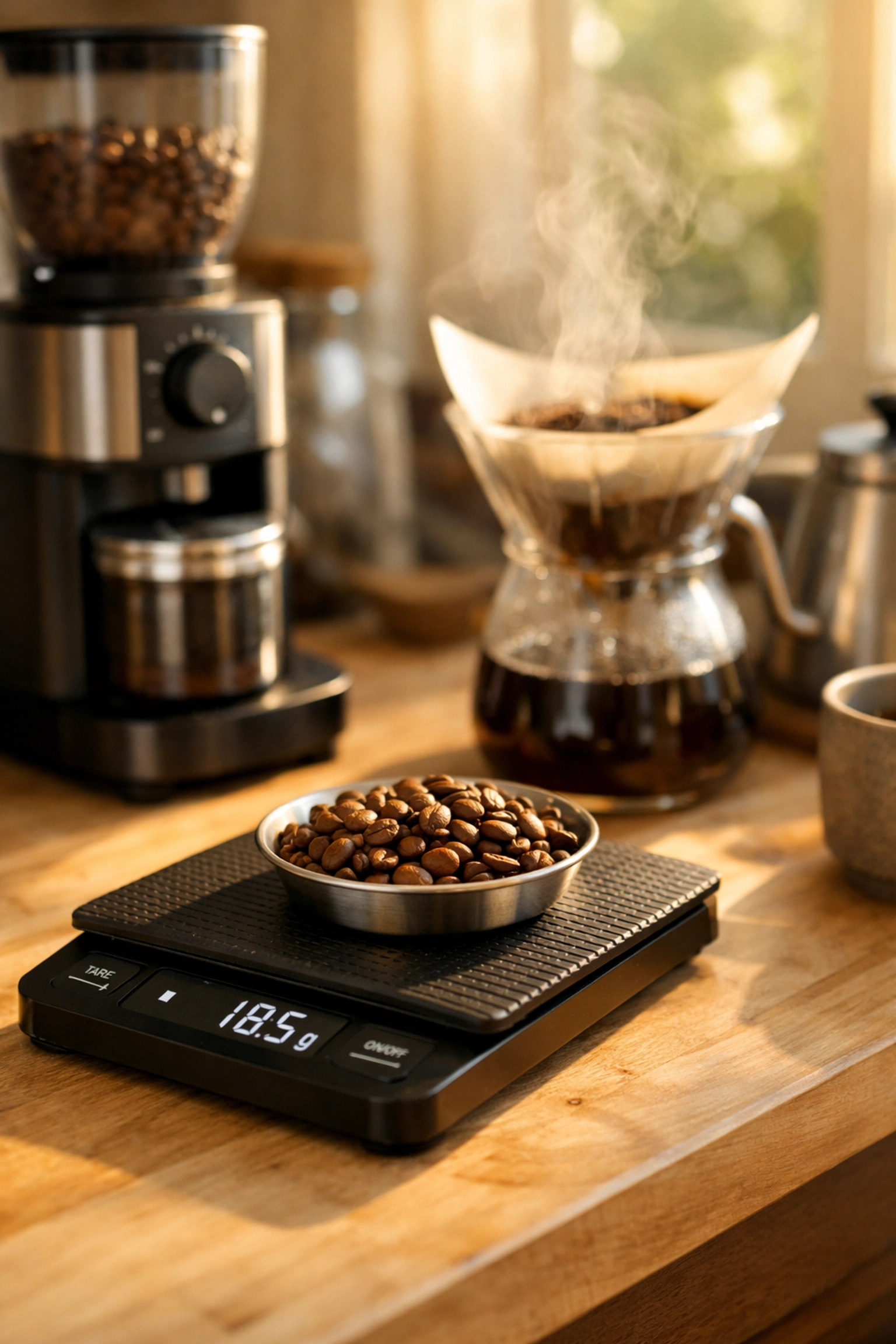
This isn't about compromising quality: it's about precision. Use a scale to measure your coffee and water. Most home brewers eyeball it and end up using more coffee than necessary. The standard ratio is 1:16 (coffee to water), and hitting that consistently means you're not wasting precious beans.
Our coffee brewing calculator can help you dial in the exact amounts you need for different brew methods.
Store Your Beans Properly
Nothing hurts more than watching expensive beans go stale because they weren't stored correctly. Use an airtight container, keep them in a cool dark place, and only grind what you need for each brew. Proper storage can extend the peak freshness window and ensure you're getting the most from every bag.
Reduce Waste
That slightly too-strong brew? Don't dump it: add a splash of hot water. Made too much coffee? Cold brew concentrate is calling. Getting creative with leftovers means you're extracting maximum value from every bean.
There's Actually Good News Ahead
Before you start rationing your morning cups, there's reason for optimism. Brazil's 2026 coffee production is forecast to climb 17.2% to a record 66.2 million bags. Vietnam's output is projected up 6%. This improved supply outlook has already started easing global concerns.
The International Coffee Organisation's December price indicator declined 7.8% from November due to these better supply forecasts. So while we're not heading back to 2023 prices anytime soon, we're also not looking at continued dramatic increases.
What we're likely to see is a stabilization: prices finding a new normal that reflects the genuine costs of producing incredible coffee in an era of climate uncertainty.
Why This Isn't Actually Bad News
Here's a perspective shift: higher coffee prices might actually be good for coffee in the long run.
For too long, coffee farmers have been underpaid for their incredibly skilled work. When prices rise, more of that money can flow back to origin countries, funding better farming practices, investing in climate resilience, and ensuring the next generation wants to continue growing coffee.
As home brewers who genuinely care about quality, supporting this more sustainable pricing structure means we're helping ensure amazing coffee will still exist for years to come.
Your Home Coffee Bar in 2026
So what should you actually do? Keep buying the coffee you love from roasters you trust. Be a bit more mindful about waste and brewing efficiency. Explore new origins as opportunities arise. And remember that even at higher prices, brewing at home still delivers incredible value compared to café prices.
The coffee you brew at home: even with premium beans: works out to about £0.30-0.50 per cup. That café latte? Averaging £3.59. You're still winning.
The key is focusing on value over price. Cheaper coffee that doesn't satisfy isn't a bargain: it's just expensive disappointment. Premium beans from quality roasters deliver the experience you're actually paying for.
And if you're looking for a roaster that balances exceptional quality with fair pricing, we'd love to welcome you to the Limini Coffee family. We've weathered these market changes by maintaining our commitment to sourcing brilliant beans and roasting them to bring out their best.
Coffee prices might be higher than they were, but the coffee itself? Still absolutely worth it.
Leave a Reply