
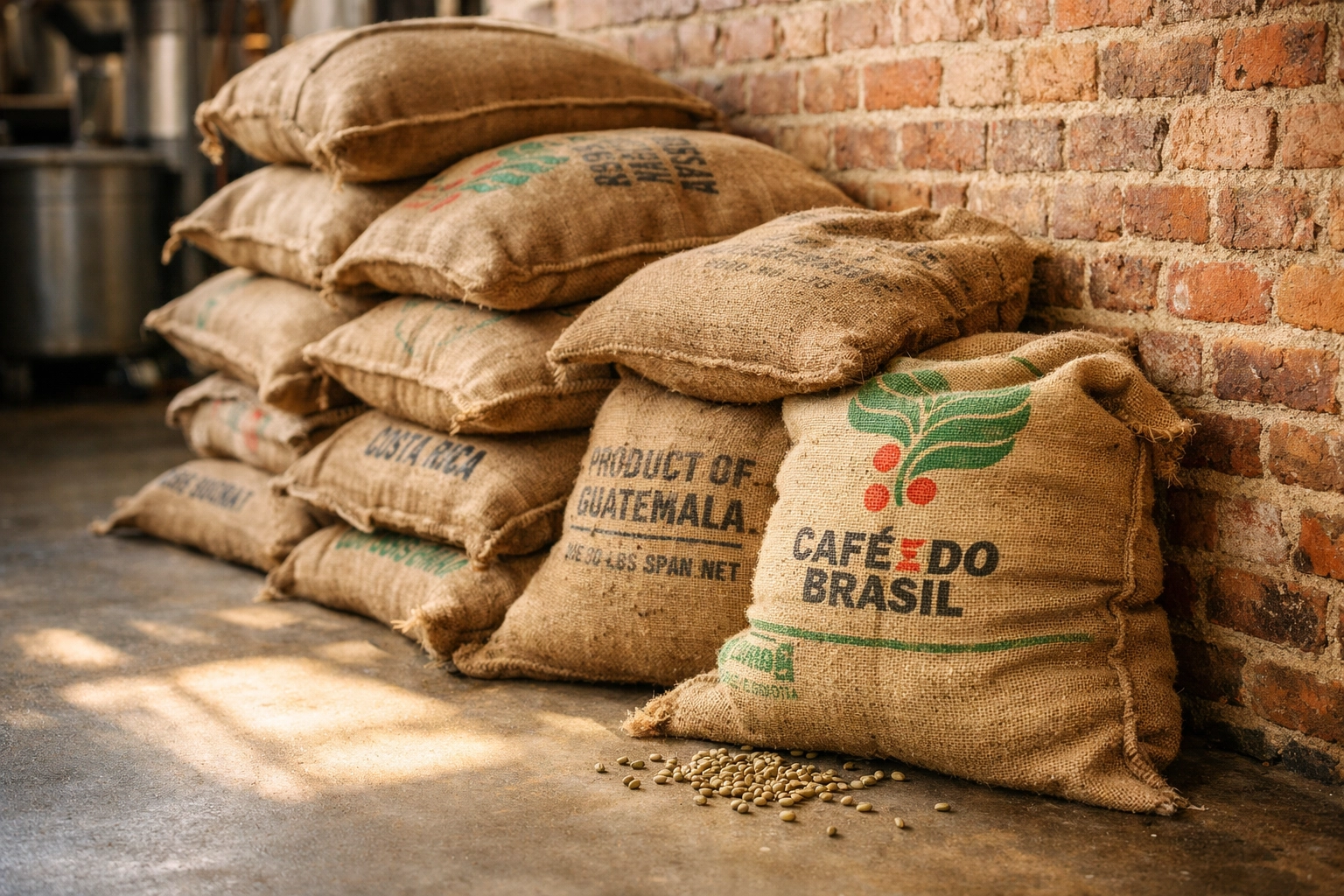
If you’ve ever stepped foot inside our roastery, you know the vibe. There is the hum of the roaster, the intoxicating scent of browning sugars, and, of course, the mountains of burlap. These rugged, rustic coffee sacks are the unsung heroes of the speciality coffee world. They carry precious green beans across oceans, from the high altitudes of Ethiopia to the volcanic soils of Guatemala, finally landing here at Limini Coffee.
But what happens once the beans are roasted and bagged into our shiny retail pouches? For a long time, these beautiful jute sacks were relegated to the back of the warehouse or, worse, the bin.
Not anymore.
The world has finally caught on to what we’ve known for years: repurposed coffee sacks are a goldmine for sustainability, creativity, and home decor. Whether you are a hardcore DIY enthusiast or a cafe owner looking to add some soul to your shop, there is a reason everyone is talking about these sacks.
The Sustainability Factor: Why Reuse Beats Recycling
So, why the sudden obsession with "upcycling" these bags? Basically, it comes down to the circular economy. We are all trying to do our bit for the planet, and while recycling is great, repurposing is often even better.
Recycling facilities for textiles like jute aren't always easy to find, and the process itself requires energy and water. Repurposing, however, takes a material that already exists and gives it a second (or third!) life with almost zero carbon footprint. Jute is a natural vegetable fiber, mostly from the Corchorus plant, meaning it is 100% biodegradable and compostable.
Imagine a product that is durable, breathable, and actually returns to the earth when you’re done with it. That is the beauty of jute. When we talk about sustainability at Limini Coffee, we aren't just talking about the beans; we’re talking about the whole journey.
The Secret Weapon for Your Garden
You might not associate coffee with your vegetable patch (unless you’re using old grounds for fertilizer), but coffee sacks are a gardener’s best friend. Because jute is a breathable material, it allows air and water to pass through while providing structure and protection.
- Weed Barriers: Forget that nasty black plastic. Laying down coffee sacks and covering them with mulch is a fantastic way to suppress weeds. They eventually break down, adding organic matter to your soil. It’s a win-win.
- Frost Protection: Do you have some delicate shrubs that aren't fans of the British winter? Wrapping them in a coffee sack provides a cozy layer of insulation while still letting the plant "breathe."
- Potato Planters: This is a classic. You can grow a surprising amount of spuds in a single upright coffee sack. Just roll down the sides, fill with compost, and plant. As the plant grows, unroll the sack and add more soil.
- Compost Covers: Keeping your compost pile at the right temperature and moisture level is key. A damp coffee sack on top acts like a blanket, keeping the "good" bacteria happy and active.
We think it’s pretty cool that a sack that started in a tropical climate ends up helping a garden thrive in the UK.
Rustic Chic: Coffee Sacks in Home Decor
If you aren't much of a gardener, don't worry. The aesthetic appeal of coffee sacks is undeniable. Each sack usually features unique prints, bold typography, vibrant logos of the coffee estates, or even "Product of Brazil" stamped in thick, industrial ink. They bring an instant "industrial-meets-rustic" feel to any room.
Upholstery and Soft Furnishings
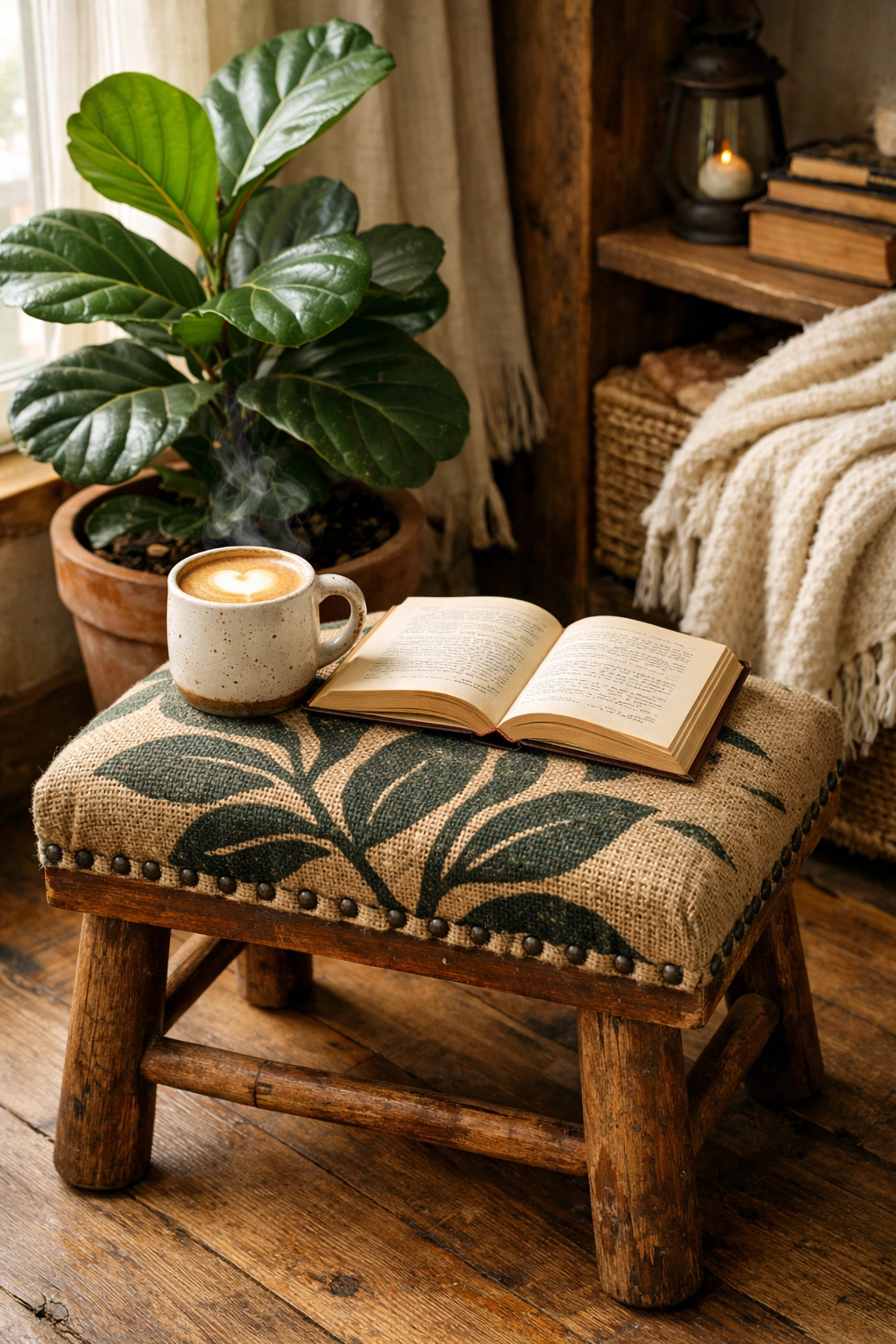
One of the most popular uses we see is upholstery. We’ve seen some incredible bar stools and ottoman benches covered in coffee sacks. The texture is rough (hydrophobic by nature, meaning it doesn't soak up spills instantly!), which makes it surprisingly durable for furniture.
A quick pro-tip from us: If you’re making cushions or seat covers, make sure to wash the sacks thoroughly first. They can be a bit "dusty" straight off the boat. Use a gentle cycle or hand wash, and let them air dry. They might shrink a bit, but they’ll be much softer to the touch.
Wall Art with a Story
Why buy mass-produced prints when you can frame a piece of coffee history? Some of the artwork on these sacks is genuinely stunning. We’ve seen people stretch them over wooden frames just like a canvas. It’s a great conversation starter. "Oh, that? That carried 60kg of speciality beans from a small farm in Sidamo."
It’s about bringing that theatre of coffee into your home or shop.
Functional and Fashionable: Bags and Storage
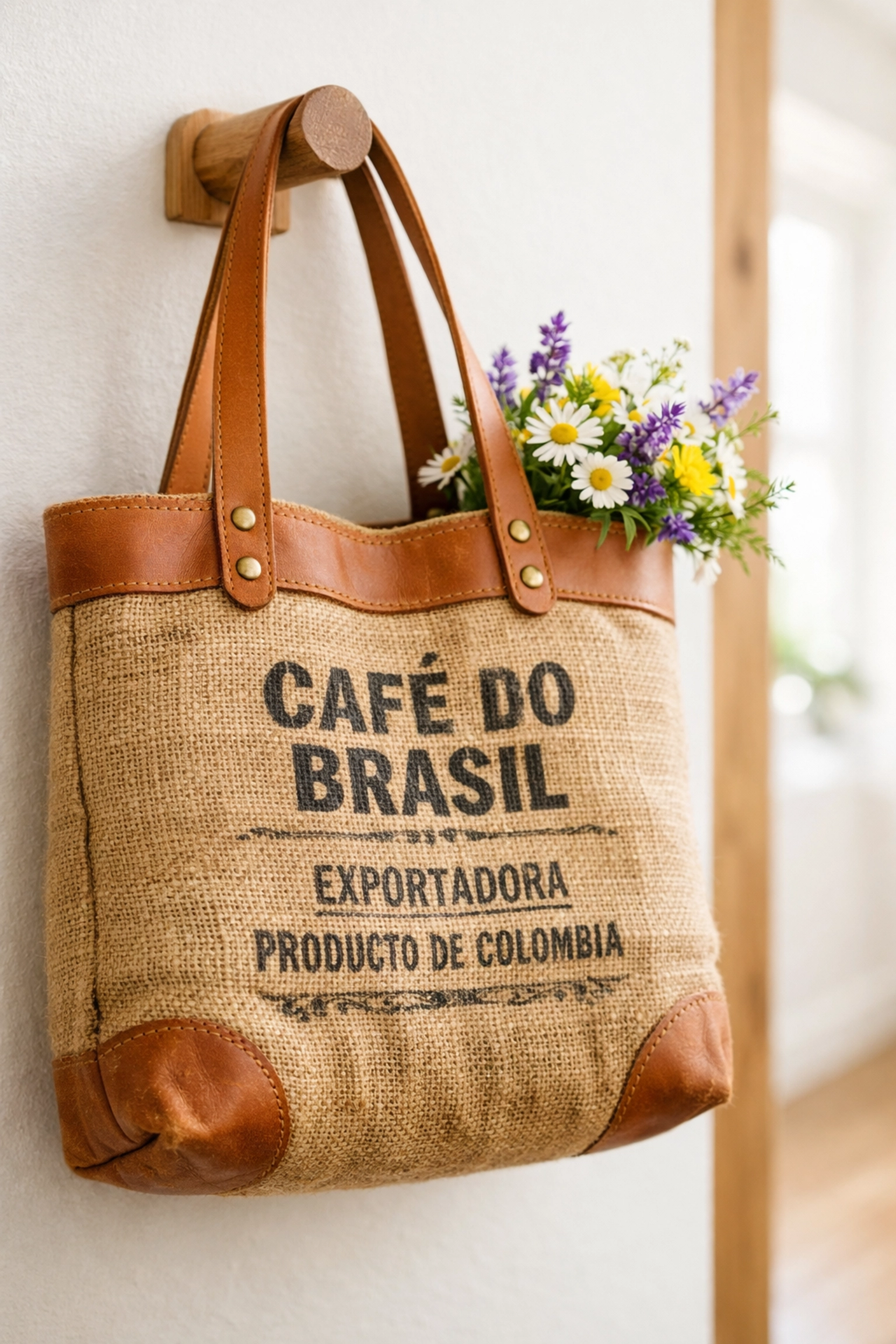
Let’s talk about the tote bag. We all have a million of them, but a tote made from a repurposed coffee sack is on another level. It’s sturdy enough to carry a heavy load of groceries and looks a lot more interesting than a plain cotton bag.
Because jute is so strong, these sacks are also perfect for heavy-duty storage.
- Log Bags: Keep your firewood tidy by the hearth.
- Laundry Hampers: Line a wire basket with a coffee sack for a vintage look.
- Pet Bedding: If you have a dog that loves to dig and nest, a coffee sack stuffed with old blankets makes a very durable (and cheap!) bed.
A Practical Guide to Sourcing Your Sacks
So, how do you get your hands on them? If you are a wholesale customer with us at Limini, you might already have a few lying around. If not, just ask! We often have a surplus of sacks that we are more than happy to pass on to people who will give them a good home.
If you’re just starting your coffee journey, perhaps looking to set up a coffee shop or just upgrading your home brewing game, you can check out our offerings through Scott’s link here. Getting the coffee is the first step; getting the sack is the bonus.
The "Industrial" Reality: A Word of Caution
We should probably mention: to be honest: that these sacks are industrial items. They’ve been on ships, in warehouses, and on the backs of trucks. They might have a bit of a "natural" smell (a mix of earth and green coffee).
When you get one, give it a good shake outside. If you’re using it for indoor crafts, a quick soak in some mild detergent and a dash of vinegar can help neutralize any lingering scents. It’s a small price to pay for such a versatile material.
Why it Matters to Us at Limini Coffee
At Limini Coffee, we are obsessed with the details. We spend our days obsessing over crema, perfecting tamping techniques, and sourcing the finest beans. But we also care deeply about the footprint we leave behind.
Every time a customer tells us they’ve turned one of our old sacks into a garden planter or a set of cafe cushions, it makes us smile. It’s the ultimate tribute to the hard work of the farmers who grew the coffee in the first place. That sack didn't just protect the beans; it became a part of someone's home.

The DIY Challenge
So, here is our challenge to you. The next time you see a coffee sack, don't just see a piece of packaging. See a potential weed barrier. See a rustic cushion. See a way to make your space a little more sustainable and a lot more stylish.
If you’re a business owner, think about how you can use these in your shop layout. They work brilliantly as partitions, or even as rustic "curtains" for under-counter storage. It’s these little touches that create an atmosphere and make people remember your brand.
Want to learn more about the world of coffee, from the farm to the sack to the cup? We offer everything from barista training to wholesale support. We’d love to help you tell your coffee story.
And remember, if you need to stock up on the beans that come inside those sacks, head over to our site via Scott's link to see what we have roasting this week.
Happy crafting!
Leave a Reply