
Imagine this: It’s 7:00 AM. You’ve just stumbled into the kitchen, the house is quiet, and you’re reaching for that first bag of coffee. You open it, and instead of a dull, dusty scent, you’re hit with an explosion of blueberries, toasted almonds, or perhaps a deep, rich cocoa. That, right there, is the power of freshness.
We believe that coffee shouldn't just be a caffeine delivery system to get you through the morning. It should be an experience. But here’s the cold, hard truth: most of the coffee sitting on supermarket shelves is already "dead" by the time you buy it. It might have been roasted six months ago, sat in a warehouse for three, and finally landed on a shelf where it’s been oxidizing ever since.
If you want to truly transform your morning ritual, you need to look toward a specialty coffee roaster. Why? Because freshness isn't just a marketing buzzword; it’s the literal chemistry of flavor. At Limini Coffee, we’ve spent years exploring how the timing of the roast impacts what ends up in your cup.
The Science of "Stale": Why Age Matters
So, what actually happens to a coffee bean after it leaves the roaster? Basically, coffee is a fresh agricultural product, more like bread than a shelf-stable spice. The moment the beans emerge from the drum, a process called degassing begins.
During roasting, carbon dioxide (CO2) builds up inside the bean. In the first few days post-roast, this gas slowly escapes. While this sounds like a bad thing, it’s actually essential. If you brew coffee too fresh: say, ten minutes after roasting: it’ll taste metallic and acidic because the escaping gas interferes with the water’s ability to extract flavor.
However, once that initial degassing slows down (usually after 3 to 7 days), the bean enters its "sweet spot." But then, the enemy arrives: Oxygen. Oxidation is what turns a vibrant, fruity single-origin bean into something that tastes like wet cardboard. The volatile oils: those magical compounds responsible for the aroma: start to evaporate.
The "Bloom": Your First Sign of Quality
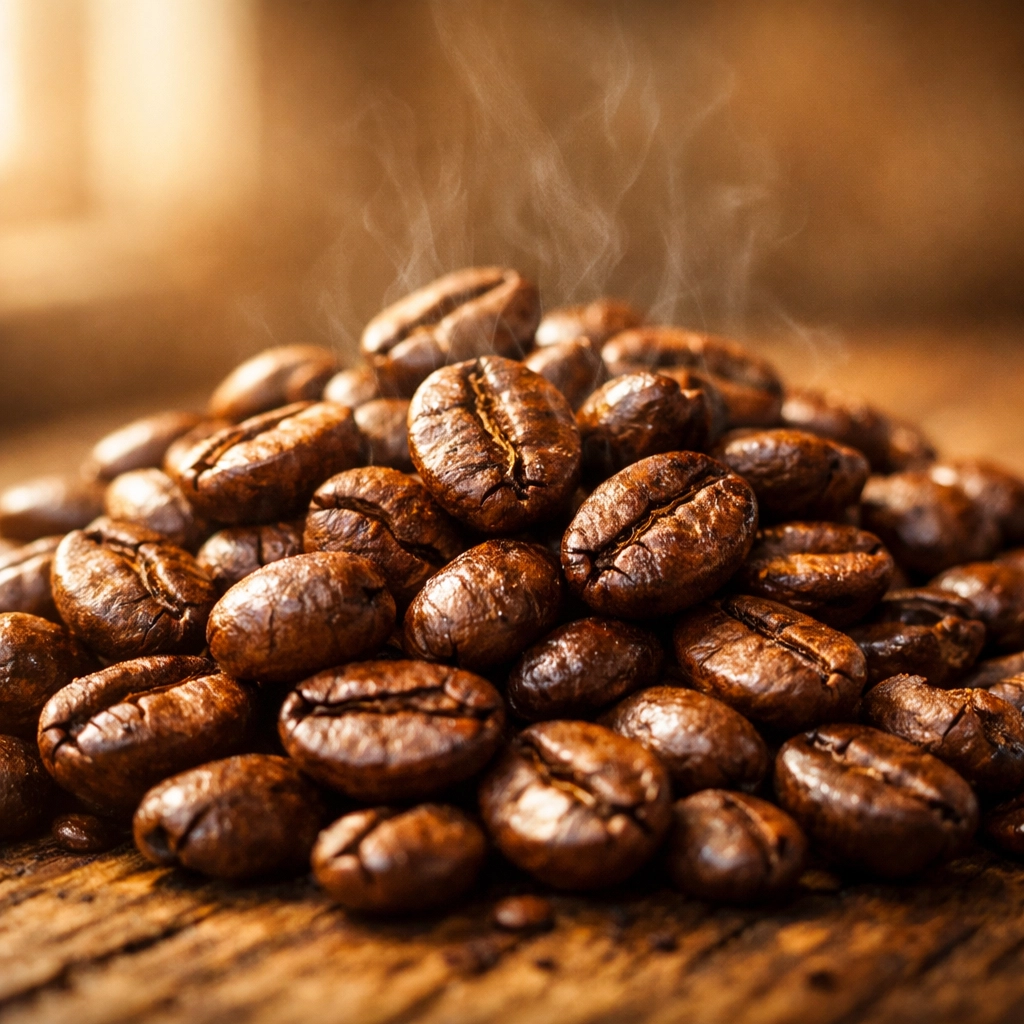
Have you ever noticed your coffee grounds bubbling and expanding when you first pour water over them? That’s called the "bloom." It’s the visual evidence of freshness.
When you use fresh beans from a specialty roaster like Limini Coffee, the CO2 trapped inside the beans is released rapidly when it hits hot water. This creates a beautiful, foaming rise. Why is this important? Because those bubbles push the water away initially, and once they subside, the water can settle in and extract all those delicious solubles.
If your coffee doesn’t bloom, it’s a sign that the CO2 has already escaped over months of sitting on a shelf. The result? A flat, dull cup that lacks the "zing" we all crave. You can even use a coffee brewing calculator to see how different ratios interact with fresh beans to maximize this effect.
Flavor Profiles: From "Coffee-Flavored" to Complexity
One of the biggest shocks for people switching to specialty coffee is realizing that coffee doesn’t just have to taste like "coffee." Depending on the origin, the roast profile, and the freshness, it can taste like:
- Fruity & Floral: Think jasmine, bergamot, or bright citrus (common in Ethiopian beans).
- Sweet & Nutty: Notes of milk chocolate, hazelnut, or caramel (classic Brazilian profiles).
- Deep & Earthy: Spicy, tobacco, or dark chocolate notes.
When beans are fresh, these delicate notes are front and center. As beans age, the acidity (the "brightness") is the first thing to go, followed by the sweetness. What’s left behind is just the bitterness. This is why many people think they need sugar and milk: they’re trying to mask the bitterness of stale beans. Fresh specialty coffee is often naturally sweet enough to drink black.
If you’re curious about what others are tasting, it’s always worth checking out our reviews to see which origins are hitting the mark lately.
Espresso and the Quest for the Perfect Crema
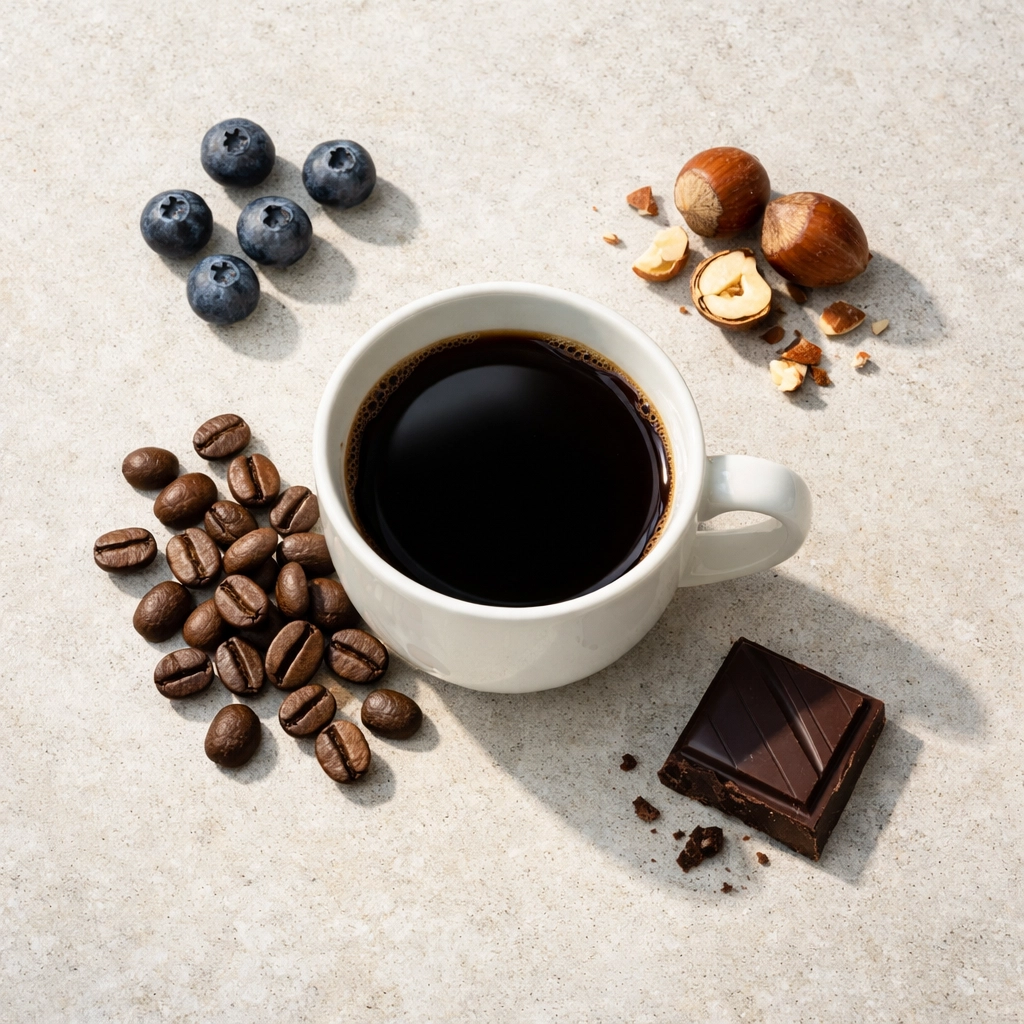
For the home espresso enthusiasts using gear like the La Spaziale, freshness is non-negotiable. Crema: that golden, silky layer on top of your shot: is primarily made of emulsified oils and CO2 bubbles.
No freshness = no CO2 = no crema.
A shot pulled with old beans will look thin, watery, and dark. It won't have that "syrupy" mouthfeel that makes a latte or flat white so indulgent. Speaking of which, if you’re trying to master the art of the perfect milk drink, understanding how fresh espresso interacts with milk is a game changer. We’ve put together a guide on understanding milk that pairs perfectly with your fresh roast.
Why Grinding Fresh is the Ultimate Pro-Tip
We cannot stress this enough: if you buy pre-ground coffee, you’ve already lost 50% of the battle. The moment you grind a bean, you increase its surface area by thousands of percent. This means oxidation happens in minutes, not days.
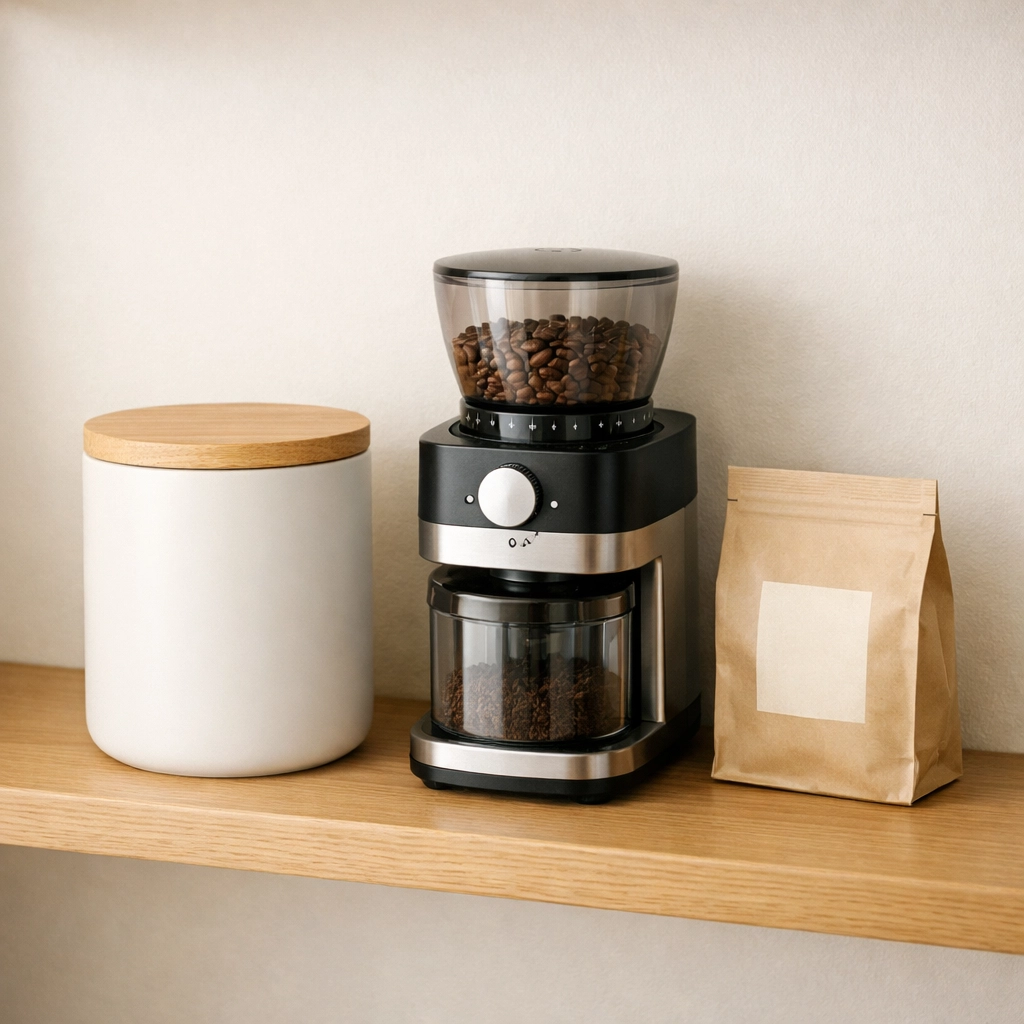
Imagine cutting an apple. If you leave it whole, it stays fresh for weeks. If you slice it, it turns brown in an hour. Coffee is the same. To get the best out of your Limini Coffee beans, invest in a decent burr grinder and grind only what you need, right before you brew.
If you're still choosing your setup, our guide on choosing espresso equipment might help you decide where to put your budget. (Hint: the grinder is often more important than the machine!)
The Health Benefits You Might Be Missing
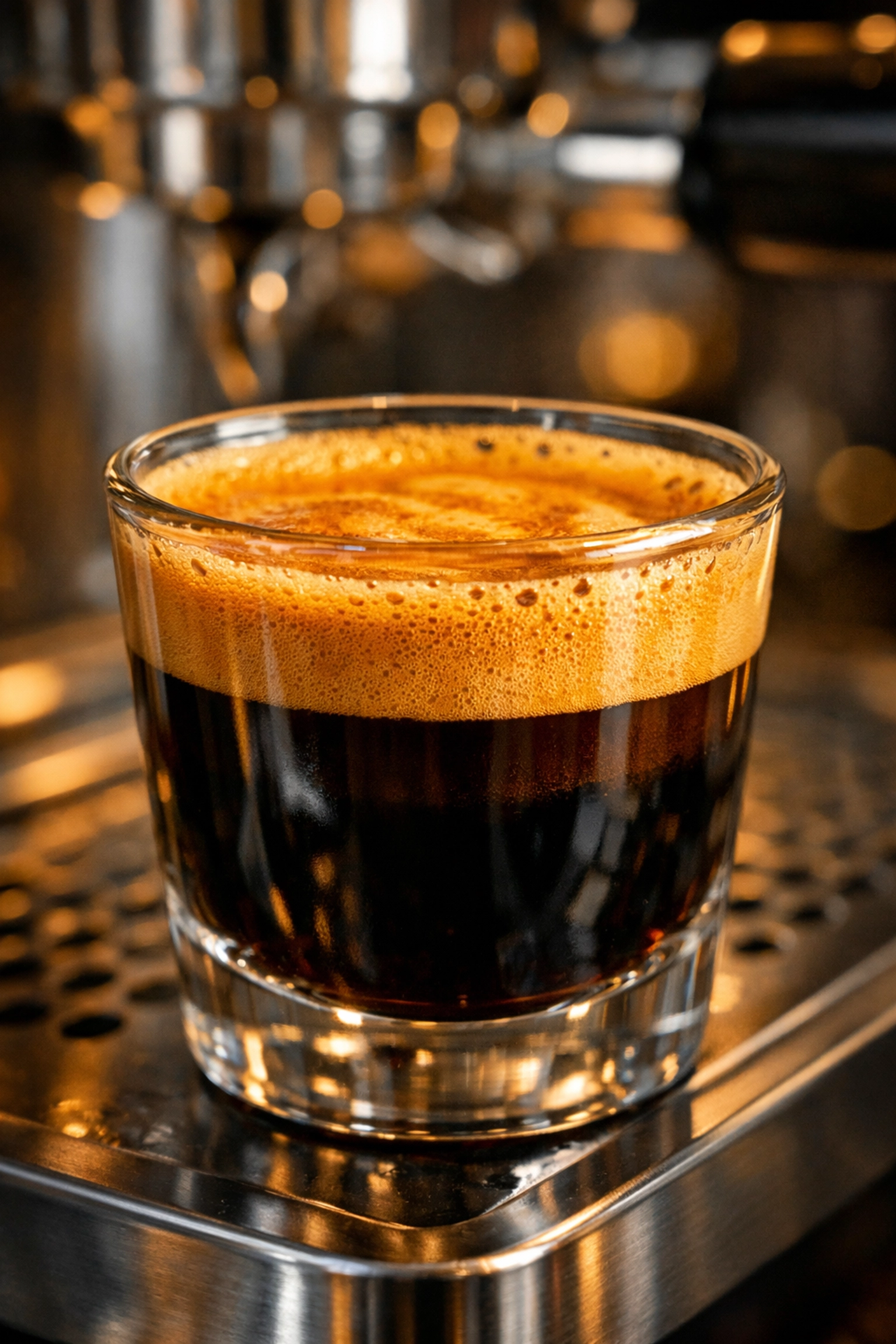
Freshly roasted coffee isn't just about the taste; it’s actually better for you. Coffee is one of the highest sources of antioxidants in the Western diet, specifically chlorogenic acid. These antioxidants are most potent immediately after the roasting process.
As coffee ages and oxidizes, these beneficial compounds break down. Furthermore, fresh specialty coffee is often easier on the stomach. Why? Because specialty roasters focus on high-quality "green" (unroasted) beans that are free from defects and molds, and the lighter, more precise roasting styles prevent the development of the harsh, caustic compounds found in over-roasted, stale commercial coffee.
Practical Tips for Maintaining Freshness
So, you’ve ordered a bag of fresh beans. How do you keep them that way?
- Keep it Airtight: Air is the enemy. Use a container with a vacuum seal or simply squeeze the air out of the original bag and zip it tight.
- Cool and Dark: Store your beans in a cupboard away from the stove. Heat and light accelerate the staling process.
- Don't Freeze (Unless…): Generally, we don't recommend the freezer for your daily bag. The condensation that forms when you take it out can ruin the oils. However, if you have a massive amount of coffee you won't touch for a month, vacuum-sealing it in small portions and freezing it once is acceptable.
- Buy Smaller Amounts: Instead of buying a 1kg bag that lasts you two months, buy 250g bags every two weeks. This ensures you’re always in the "sweet spot."
The Limini Approach to Freshness
At Limini Coffee, we don't just roast and hope for the best. We source our beans with incredible care, focusing on ethical practices and flavor potential. You can read more about sourcing our coffee to see the journey each bean takes before it reaches your door.
We believe in transparency. That’s why we provide the roast date on every bag. We want you to know exactly when those beans were at their peak. Whether you’re a home enthusiast or looking for wholesale solutions for your business, the principle remains the same: fresh is best.
Level Up Your Skills
If you really want to honor the freshness of the bean, you might consider some professional training. We offer barista training that covers everything from tamping techniques to the "theatre" of coffee service. Understanding the mechanics of tamping or the importance of crema can turn a great bean into a world-class cup.
Conclusion: You Deserve Better Coffee
To be honest, once you’ve experienced the vibrant, complex flavors of truly fresh specialty coffee, there is no going back. The "convenience" of supermarket coffee starts to feel like a compromise you’re no longer willing to make.
You’ve invested in the gear, you’ve got your favorite mug, and you’ve carved out the time in your morning. Why let it all go to waste with stale beans?
Treat yourself to a bag of the good stuff. Check out the current offerings at Limini Coffee and see what a difference a week makes. Your taste buds (and your morning self) will thank you.
If you’re ever in the area or want to dive deeper into the world of specialty roasting, we’re always here to help. From training overviews to helping you build your own coffee shop, we’re more than just a roaster; we’re your partners in the perfect brew.
Happy brewing! 🙂
Leave a Reply