
Let’s be honest for a second. For most of us, the morning coffee is a survival tool. It’s that bitter, piping hot liquid that bridges the gap between "leave me alone" and "I can probably function as a human now." But what if we told you that your morning cup could be so much more than just a caffeine delivery system?
We see it all the time here at Limini Coffee. People come to us used to the "supermarket special", beans that have been sitting on a shelf for six months, roasted into oblivion to hide defects. Then, they try a freshly roasted, single-origin speciality coffee, and their world tilts just a little bit.
If you’ve been wondering why everyone is suddenly obsessed with V60s, scales, and "tasting notes of blueberry and jasmine," you’re in the right place. Speciality coffee isn't just about being a bit fancy; it’s about a fundamental shift in quality, health, and the way you start your day.
What exactly are we talking about?
So, what makes a coffee "speciality" anyway? Is it just a marketing term? Actually, no. In the industry, coffee is graded on a 100-point scale. Anything that scores 80 points or above is officially "speciality."
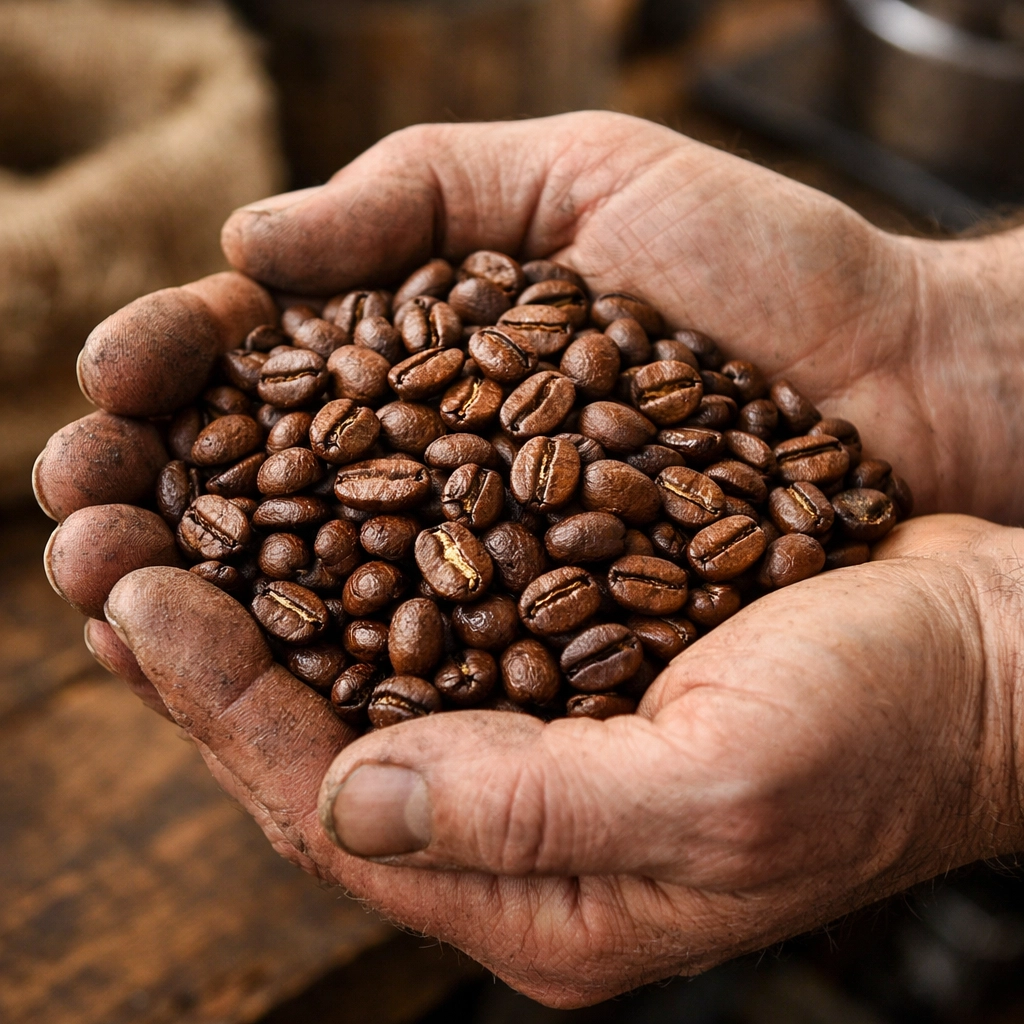
Basically, this means the beans are free from major defects and have a distinct character. Think of it like the difference between a mass-produced boxed wine and a bottle from a small, dedicated vineyard. We take this very seriously when sourcing our coffee. We look for beans that tell a story of where they were grown, the soil they sat in, and the care the farmers took during the harvest.
When you buy from a speciality roaster, you’re getting transparency. You know the farm, the altitude, and most importantly, the roast date. Freshness is everything. If you want to see what we mean, you can check out our latest freshly roasted selections here. Trust us, once you smell beans roasted 48 hours ago, you can’t go back.
Your brain (and body) will thank you
We’ve all had those "coffee jitters", that shaky, anxious feeling after a cup of low-quality Joe. That’s often down to the high caffeine content of Robusta beans (often used in cheap blends) or the presence of mould and toxins in poorly processed commodity coffee.
Speciality coffee is a different beast entirely. Because the beans are higher quality and the roasting process is more precise, you get a much cleaner, smoother caffeine experience. It’s about focus and mental clarity rather than a frantic heart rate.
And let’s talk antioxidants. Coffee is actually one of the largest sources of antioxidants in the modern diet. However, many of these beneficial compounds are destroyed when coffee is "dark roasted" to the point of being burnt, which is what most big commercial brands do to keep the flavour consistent. By choosing a lighter, more thoughtful roast, you’re preserving those healthy compounds. Some studies even suggest that the routine of drinking high-quality coffee can help reduce the risk of long-term conditions like Alzheimer’s and Parkinson’s. Not bad for a morning beverage, right?
The ritual of the brew
One of the biggest changes you’ll experience when moving to speciality coffee is the shift from a habit to a ritual. There is something deeply satisfying about the process.
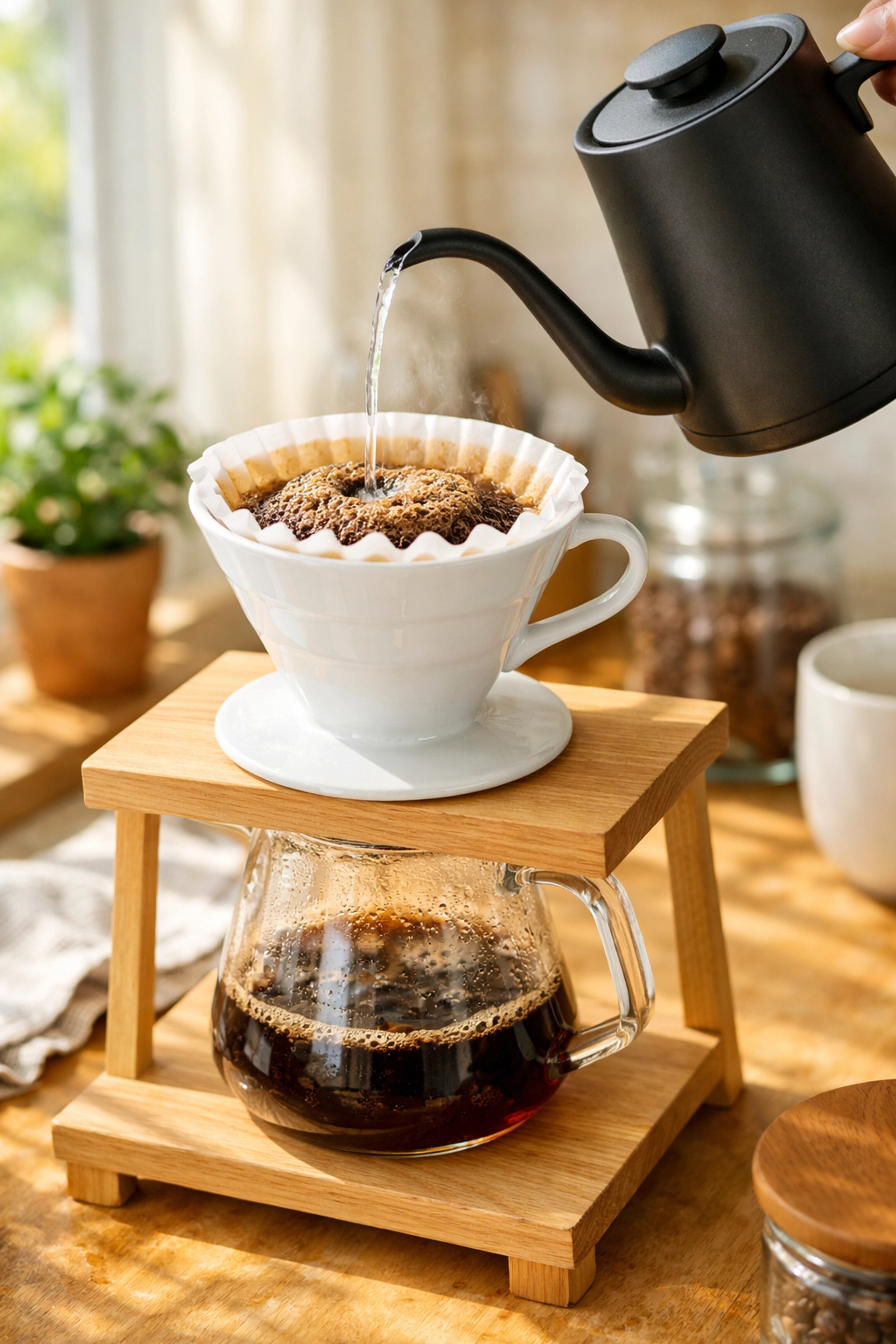
Imagine this: You wake up, weigh out 18g of fresh beans, and grind them. The aroma fills the kitchen immediately. You heat your water to exactly 94 ºC (201 °F) and begin a slow, circular pour. It’s a moment of mindfulness before the chaos of the day begins.
To get the most out of these beans, you might want to look into your setup. Whether you're a fan of the classic cafetiere or you're looking at choosing espresso equipment for your home kitchen, the gear matters. It doesn't have to be intimidating, though. We believe that with a little bit of guidance, anyone can brew a barista-quality cup at home.
Let's talk about the "Milk Problem"
If you’re a latte or cappuccino lover, speciality coffee will change your perspective on milk too. In the commodity world, coffee is often so bitter that you need a lot of milk and sugar to make it palatable.
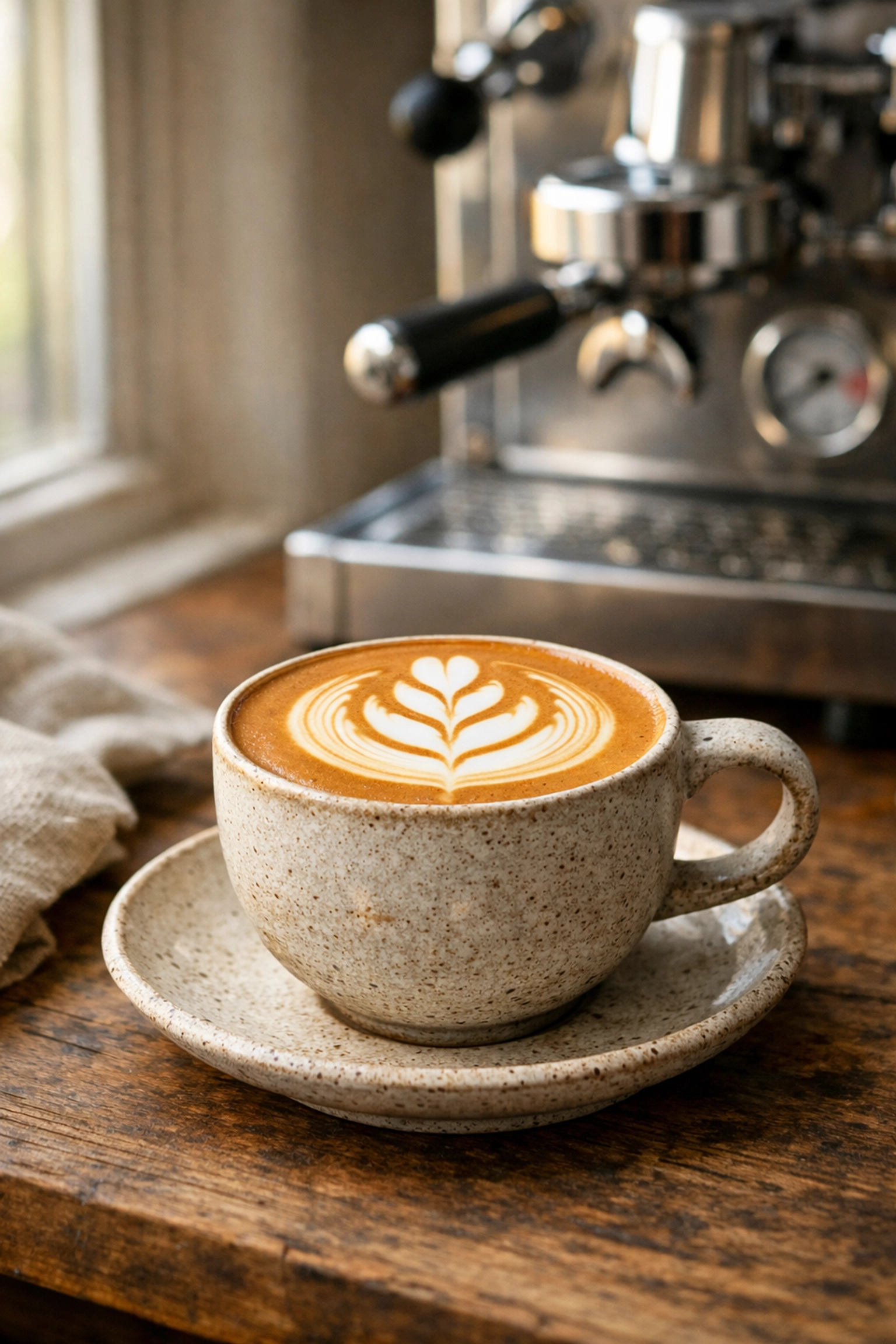
With speciality coffee, the natural sweetness of the bean, sometimes chocolatey, sometimes fruity, means you might find yourself reaching for the sugar bowl less often. Plus, when you learn how to properly steam milk to that perfect glossy, microfoam texture, the whole experience becomes incredibly creamy and luxurious.
We love helping people master their latte art and milk textures. There is a real joy in handing someone a coffee you made yourself that looks (and tastes) like it came from the best shop in town.
Why precision matters (and why it’s not that hard)
You might see people using scales and timers and think, "Is that really necessary?"
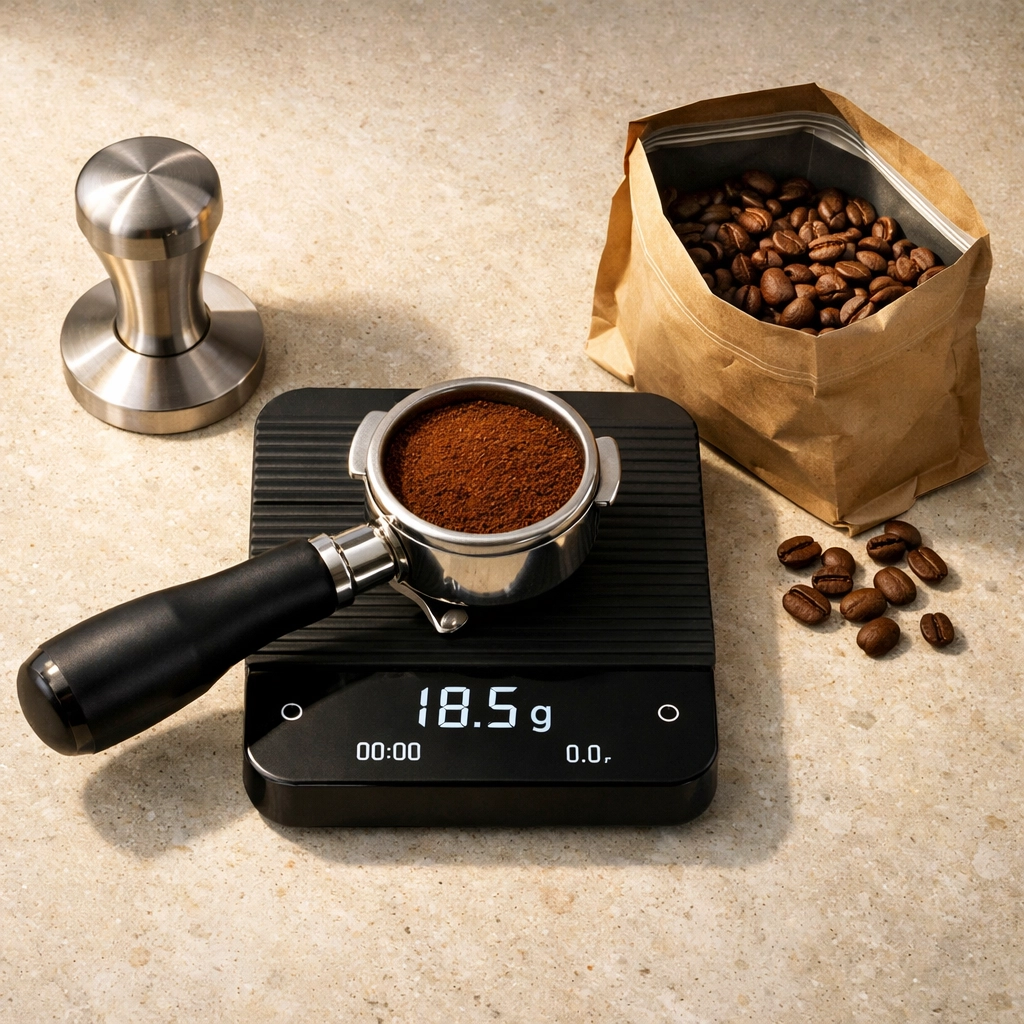
To be honest, yes. But only because it makes your life easier! If you find a coffee you love, you want to be able to replicate that taste every single morning. Using a coffee brewing calculator takes the guesswork out of it.
Think about it this way: if you were baking a cake, you wouldn't just "eye" the flour and sugar, would you? Coffee is the same. A little bit of precision: like hitting that 9 BAR pressure on an espresso machine or getting your tamping technique consistent: ensures you don't waste those beautiful beans you just bought.
And if you’re looking to stock up on beans that actually deserve this level of attention, have a look at our current roast list.
The "Coffee Shop" experience at home
Many of our customers started their speciality journey because they wanted to stop spending £4 every morning at a cafe. While there’s a bit of an upfront investment in gear, the long-term savings are huge. Plus, there’s no queue in your kitchen.
If you’re really looking to dive deep, we even offer barista training. We’ve seen everyone from total beginners to people looking to start their own wholesale business come through our doors. It’s about building confidence. Once you understand the "why" behind things like crema or grind size, the mystery disappears and you're just left with great coffee.
A few tips for your first speciality bag
If you’re ready to take the plunge, here are a few things to keep in mind:
- Check the Roast Date: If it doesn’t have one, don’t buy it. You want beans roasted within the last few weeks.
- Buy Whole Bean: Ground coffee loses its flavour profile in minutes. Grind fresh for every cup. It's the single biggest upgrade you can make.
- Water Quality: If your tap water tastes a bit funny, your coffee will too. Use a simple water filter jug.
- Experiment: Don't just stick to "strength" levels. Look for tasting notes. Do you like nutty and chocolatey (South American) or bright and floral (African)?
Speciality coffee is a journey, not a destination. You’ll try some things you love and some things that aren't for you, and that’s the beauty of it :). It turns a mundane part of your morning into an exploration of flavour.
So, are you ready to ditch the instant and the over-roasted supermarket beans? Your taste buds are waiting. Go ahead and treat yourself to a bag of the good stuff right here.
We’d love to hear about your brewing journey. Whether you’re struggling with your dial-in or you’ve just poured your first heart in your latte foam, we’re here to help. After all, life is far too short for bad coffee.
Leave a Reply