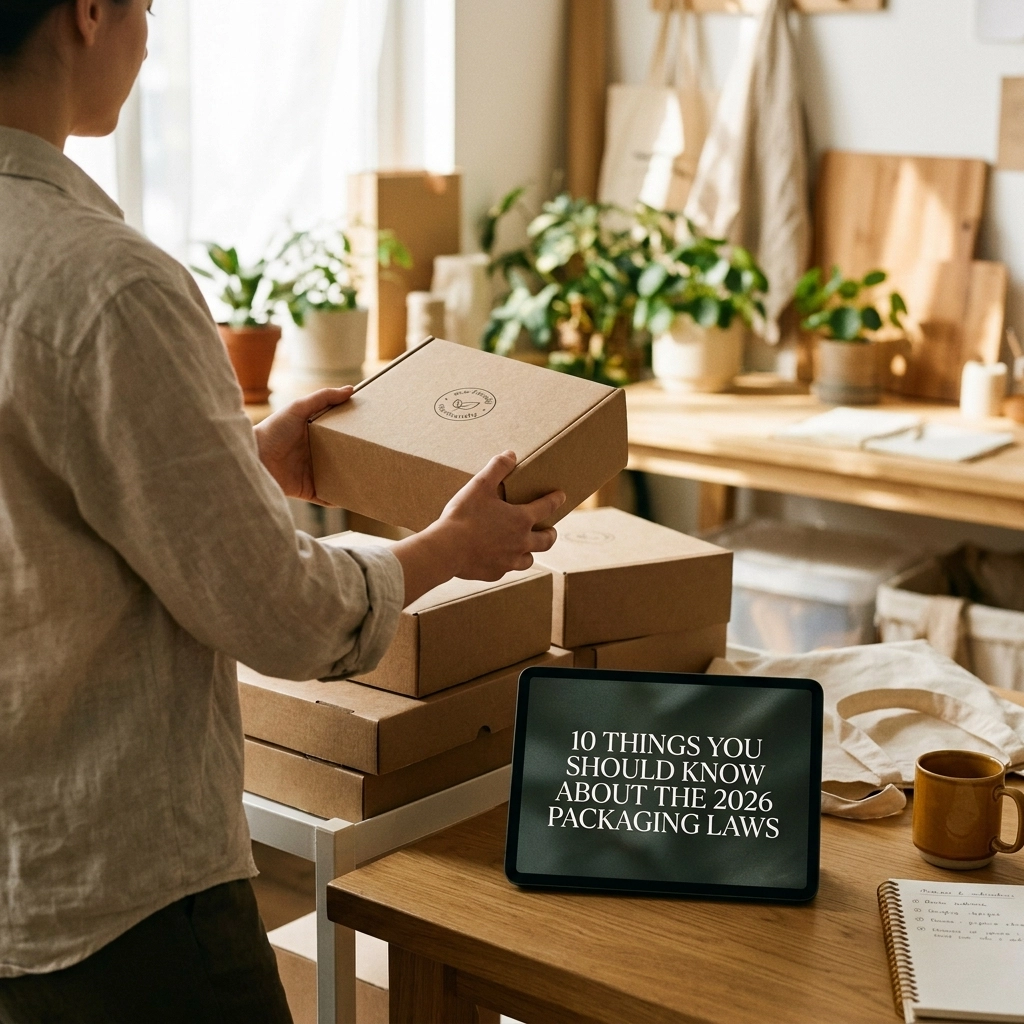
Well, here we are in April 2026. If you’re running a coffee shop or working as one of the many coffee suppliers for coffee shops, you’ve probably noticed the landscape has shifted quite a bit lately. The "sustainability talk" that felt like a distant drumbeat a few years ago has officially turned into a full-blown legal symphony.
Navigating the world of wholesale coffee is about more than just finding the best beans (though we think our speciality roasts are a pretty good place to start). It’s now about ensuring your takeaway cups, retail bags, and even your sugar sachets don’t land you in hot water with the regulators.
At Limini Coffee, we’ve been tracking these changes closely because we believe that being a great partner means keeping our customers ahead of the curve. So, let’s dive into the 10 things you absolutely need to know about the 2026 packaging laws to keep your business brewing smoothly.
1. Recycled Paper is No Longer Optional in Many Regions
If you’re operating in areas like California or looking at trends across the UK and Europe, the humble paper bag has undergone a legal transformation. As of January 2026, many jurisdictions have tightened the screws on what constitutes a "sustainable" paper bag. In California, for instance, stores are now required to provide recycled paper bags with a minimum of 50% post-consumer recycled content.
What does this mean for you? Well, if you sell retail bags of beans or offer pastries to go, you need to check the "birth certificate" of your bags. It’s not enough for it to be "paper"; it has to be the right kind of recycled paper. We’ve been helping our partners transition to high-recycled-content packaging for a while now, and you can see how we handle our sourcing here.
2. The Great PFAS Purge (Forever Chemicals)
This is a big one. You might have heard of PFAS, often called "forever chemicals" because they just don't break down in the environment. They’ve historically been used to make food packaging grease-resistant. Think about that glossy lining on your sandwich wrap or the inside of some cheaper coffee cups.
States like Illinois and Maine have officially drawn a line in the sand as of early 2026. Food packaging with intentionally added PFAS is a no-go. If you’re working with coffee suppliers for coffee shops, you must ask for PFAS-free certifications for any paper-based packaging that touches food or liquid. It’s about safety, but it’s also about avoiding hefty fines.

3. The End of "Fake" Recycling Symbols (SB 343)
We’ve all seen it: the "chasing arrows" symbol slapped on a piece of plastic that clearly isn't recyclable in 99% of facilities. Well, the law has finally caught up with "greenwashing." California’s SB 343, which is now coming into full enforcement this year, dictates that you can only use that symbol if the material actually meets strict recyclability criteria.
Basically, if 60% of the population doesn't have access to a recycling program that can handle that specific material, you can’t claim it’s recyclable. This is forcing a massive redesign of retail coffee bags. If you’re still using old stock with misleading logos, it’s time to update. We’ve always been big fans of transparency at Limini Coffee, it’s why we’re so open about our wholesale processes.
4. EU PPWR Chemical Safety and Transparency
Even if you aren't based in the EU, these laws affect global supply chains. The EU’s Packaging and Packaging Waste Regulation (PPWR) has hit a major milestone in August 2026. New requirements for chemical safety in packaging have taken effect.
This isn't just about what's in the packaging, but how it's documented. If you import any equipment or retail goods from Europe, you need to ensure they have the proper EU Declaration of Conformity. It sounds dry and technical (because it is), but it’s the "passport" your packaging needs to move across borders.
5. Extended Producer Responsibility (EPR) is the New Normal
The concept is simple: if you put packaging into the world, you’re responsible for the cost of its "end-of-life." In 2026, we’re seeing a massive expansion of EPR programs. This often means coffee suppliers and even some larger coffee shop chains have to pay fees into a collective fund that supports recycling infrastructure.
If you’re a smaller shop, your primary concern is whether your coffee suppliers are compliant. If they aren't, the cost (and the legal headache) could eventually trickle down to you. We take this responsibility seriously because we want the specialty coffee industry to lead by example, not just follow the rules.

6. Stricter Standards for Compostable Bags
For a long time, "compostable" was a bit of a "wild west" term. Some things were home compostable, some only industrial, and some… well, some were just lying. As of January 1, 2026, new standards (like the ASTM D6400-19) are being strictly enforced in several regions.
In California, compostable shopping bags must now qualify as an organic input under the USDA's National Organic Program. If you’re offering compostable cups or bags, make sure they have the "OK Compost" or "BPI" certifications. If you aren't sure, it might be worth checking out our guide on coffee cups for coffee shops for some clarity on what works and what doesn't.
7. Mandatory Producer Marking and Documentation
By August 12, 2026, the EU PPWR requires specific producer and importer marking on all packaging. This means every box of coffee or bag of beans needs to clearly state who made it and who brought it into the market.
Why does this matter to you? Because it’s all about traceability. If there’s a safety issue or a recycling problem, the regulators want to know exactly who to call. It adds a layer of accountability that we think is actually quite healthy for the industry. It ensures that "cowboy" suppliers can’t hide behind anonymous white-label packaging.
8. Design for Recycling (The "A/B/C" Grades)
The EU is also rolling out a "Design for Recycling" grading system. By the time we hit 2030, everything must be recyclable, but the groundwork is being laid now. Packaging will soon be graded (A, B, or C) based on how easy it is to sort and process.
Imagine a world where your coffee bag has a "Grade A" recyclability rating on the back. It’s great for the planet, and honestly, it’s a great marketing tool for your shop. Customers in 2026 are savvier than ever; they want to see that you’ve done the homework. We're constantly refining our own packaging to ensure it’s as "Grade A" as our reviews suggest.

9. Minimum Recycled Content Mandates for Plastics
If you use plastic for retail beans or e-commerce shipping, listen up. The mandate for 35% post-consumer recycled (PCR) content in plastic packaging is looming. While the hard 2030 deadline is the big one, 2026 is the year many companies are being forced to show their transition plans.
Using virgin plastic is becoming both socially and legally "uncool." It’s also getting more expensive as taxes on virgin plastics increase. Swapping to high-PCR plastic or, better yet, moving away from plastic where possible, is the smartest move you can make this year.
10. Legal Hurdles and Compliance Uncertainty
It wouldn’t be a legal update without a little bit of drama, would it? In Oregon, the Plastic Pollution and Recycling Modernization Act (RMA) has seen some enforcement pauses due to legal challenges from wholesaler associations.
This creates a bit of a "wait and see" atmosphere in certain pockets of the market. However, our advice? Don't wait. The direction of travel is clear. Whether a specific law is paused for six months or not, the global trend is toward stricter, more sustainable packaging. Being "the last one to change" is never a good business strategy.
How Limini Coffee Can Help You Stay Compliant
We know this is a lot to take in. You’re trying to dial in the perfect espresso (maybe using our brewing calculator?), train your staff, and keep the doors open. The last thing you want to do is read 400 pages of EU packaging regulations.
That’s where we come in. As speciality coffee roasters and dedicated partners to coffee shops across the UK, we handle the heavy lifting. We source packaging that meets these modern standards so you don't have to. From our wholesale coffee to our barista training, we’re here to make sure your business is as sustainable as it is successful.
If you’re feeling overwhelmed by the 2026 laws, or if you’re looking for coffee suppliers for coffee shops that actually care about the fine print, get in touch with us. Let’s make sure your shop is ready for the future, one compliant cup at a time.

Quick Summary Checklist for 2026:
- Check your bags: Are they 50% recycled content?
- Check for PFAS: Ask your supplier for "PFAS-free" certifications.
- Audit your logos: Remove "chasing arrows" from non-recyclable items.
- Verify compostables: Do they meet the new ASTM and USDA standards?
- Look ahead: Start planning for the 35% recycled plastic mandate now.
Running a coffee shop is hard work, but staying on top of these laws ensures that your hard work doesn't go to waste. Keep brewing, stay curious, and let's make 2026 the year of truly sustainable coffee!