So, you’ve decided to take the plunge and start up a coffee shop. First of all, a massive congratulations is in order! There is something truly magical about creating a space where people come together over a steaming cup of liquid gold. But, as we often tell our trainees here at Limini Coffee, the difference between a shop that thrives and one that barely survives usually comes down to one thing: the menu.
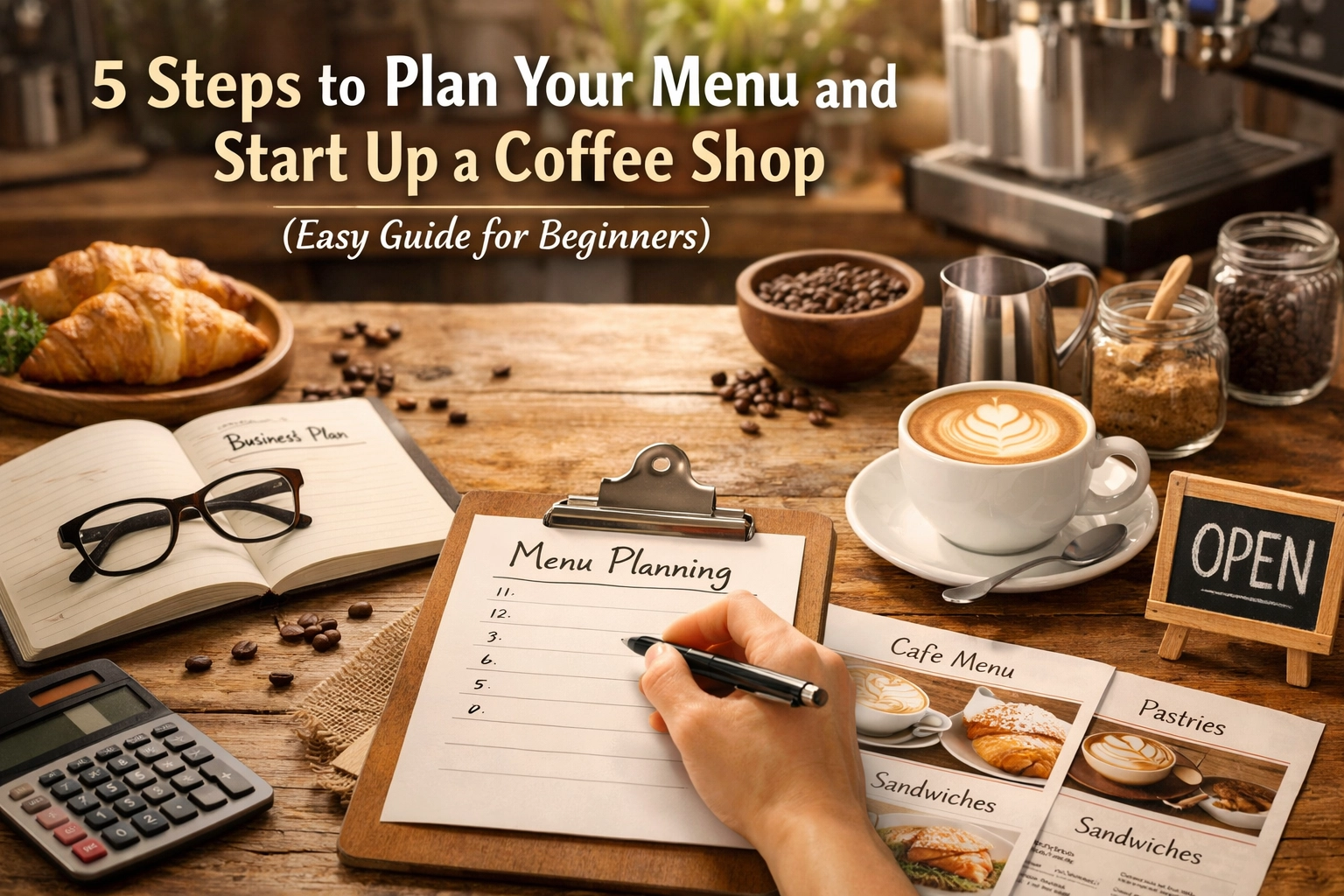
Your menu isn't just a list of drinks and prices; it’s your identity. It dictates your equipment needs, your workflow, your staffing, and: most importantly: your profit margins. It can feel a bit overwhelming when you're staring at a blank piece of paper, but don't worry. We’ve broken it down into five manageable steps to help you build a menu that’s both delicious and business-savvy.
1. Start With the Soul: Selecting Your Beans
Before you even think about whether you want to serve avocado toast or blueberry muffins, you need to nail the coffee. This is the foundation of everything. When you’re looking for coffee suppliers for coffee shops, you’re looking for more than just someone to ship you a box of beans; you’re looking for a partner.
We believe that wholesale specialty coffee is the only way to go if you want to stand out in today's market. But what does that actually mean for your menu?
- The Espresso Blend: This will be your workhorse. You want something versatile that cuts through milk for lattes but tastes vibrant as a standalone espresso. Typically, a blend with Brazilian notes (think chocolate and nuts) provides that comforting base people love.
- The Single Origin/Filter Option: For the real coffee geeks, having a rotating single-origin bean from Ethiopia or Colombia adds an element of "theatre" and craft to your shop. It shows you know your stuff.
- Decaf (Don't ignore it!): A common mistake is treating decaf as an afterthought. If you use a high-quality Swiss Water process bean, your decaf drinkers will become your most loyal customers because they finally found a place that cares about them.
We spend a lot of time sourcing our coffee to ensure it hits these notes perfectly. When choosing a supplier, ask for samples. Taste them. If they don't make you close your eyes and smile, they aren't the ones.

2. Craft Your Beverage Lineup (The "Essentials" vs. The "Flairs")
It’s tempting to want to offer forty different types of drinks, but honestly? Less is usually more. A massive menu slows down your baristas and confuses your customers. We recommend sticking to a "Core" list and a "Seasonal" list.
The Core List
This is your bread and butter. You’ll need the classics:
- Espresso: The pure 30ml shot.
- Macchiato: Espresso "marked" with a tiny bit of foam.
- Flat White: The darling of the specialty world. Usually 5-6oz with silky microfoam.
- Latte & Cappuccino: The big hitters. Understanding the difference between a latte and a cappuccino in terms of foam texture is vital for your brand consistency.
- Americano: Espresso topped with hot water.
The Technical Details
To keep things professional, we recommend specific standards. For example, your milk should be steamed to around 140 °F / 60 ºC. Any hotter and you lose the natural sweetness; any cooler and the customer might think it’s lukewarm. You can read more about understanding milk here.
The "Flairs"
This is where you can have some fun. Think about iced lattes for the summer or a signature spiced mocha for the winter. This keeps the menu feeling fresh and gives people a reason to come back next month.
3. Add Food That Complements (Don't Compete With) Your Coffee
If you are a coffee-first business, your food should support the coffee, not overshadow it. When you're just starting out, keeping the food prep simple is a lifesaver.
Imagine this: a customer walks in, smells the fresh wholesale specialty coffee, and then sees a display of locally baked pastries. It’s an easy "yes."
- Pastries and Cakes: High margin, low effort (if you source them well).
- Toasties or Simple Sandwiches: These are great because you can use high-quality ingredients to justify a premium price without needing a full extraction-fan kitchen.
- The "Grab and Go" Factor: Especially if you are in a high-traffic area, having items ready to go is crucial for your morning rush.
Remember, every food item you add requires more storage, more health and safety paperwork, and potentially more staff. Start small. You can always grow, but it’s painful to scale back a massive, failing food menu.

4. Master the Math: Pricing and Profitability
This is the part that scares most beginners, but it's where the "business" happens. You need to know exactly what every drink costs you down to the penny.
When we calculate costs, we don't just look at the beans. You have to consider:
- The Coffee: (e.g., 18g of beans per double shot).
- The Milk: (Including the waste that inevitably goes down the drain).
- The Cup and Lid: If it's a takeaway.
- The Extras: Sugar, stirrers, napkins.
- Overheads: Your rent, electricity (those 3000-watt espresso machines aren't cheap to run!), and labor.
The "Rule of Thumb":
Many shops aim for a Gross Profit (GP) of around 70-75% on coffee. If a latte costs you 60p to make (all-in), and you sell it for £3.50 (minus VAT), you're in a healthy spot. If your costs are creeping up because you’re using expensive alternative milks or bespoke cups, you have to adjust your pricing. We actually have a coffee brewing calculator that can help you understand your ratios, which is a great starting point for costing.
5. Test, Refine, and Train
The best menu in the world is useless if it takes ten minutes to make a single drink or if the quality is inconsistent. This is why testing is non-negotiable.
The Soft Opening
Before your grand launch, hold a soft opening. Invite friends, family, and local business owners. Give them the menu and let them order whatever they want.
- Watch the workflow: Are the baristas bumping into each other?
- Watch the customers: Are they confused by the names of the drinks?
- Taste everything: Is the crema on the espresso consistent?
Barista Training
You might have the best coffee suppliers for coffee shops in the country, but if your staff can't tamp correctly or froth milk, the beans are wasted. We strongly believe that barista training is the best investment you can make when you start up a coffee shop. It builds confidence and ensures that every cup leaving the counter represents your brand perfectly.

Final Thoughts for the Road
Planning a menu is a balancing act between your passion for coffee and the cold, hard reality of business margins. It requires you to be a taster, a designer, and a mathematician all at once.
But here’s the secret: you don't have to do it alone. At Limini Coffee, we love helping new owners navigate these waters. Whether it's picking the right espresso equipment or figuring out how to layout your shop for the best "theatre" and efficiency, we've been there and done that.
Starting a coffee shop is a marathon, not a sprint. Take your time with the menu, listen to your customers, and never stop tasting your own coffee. If you’re looking for a partner to supply your wholesale specialty coffee and guide you through the setup process, we’d love to have a chat.
Ready to get brewing? Let’s make something amazing together. 🙂
Want to dive deeper into the world of professional coffee? Check out our training overview to see how we can help your team become coffee experts.