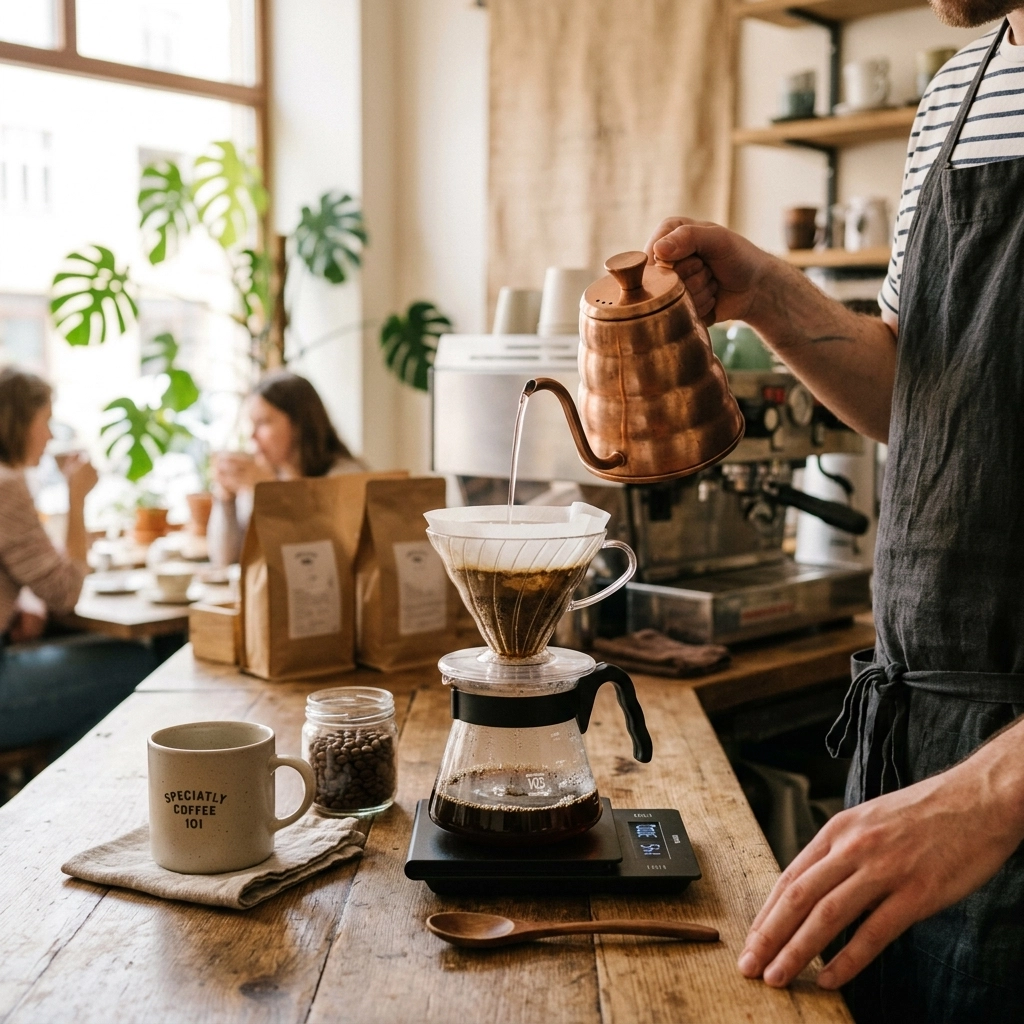
There's something special about weekend mornings and coffee. No rush, no commute looming, just you, your favourite brewing method, and the chance to actually taste what you're drinking.
This is the perfect time to slow down and explore something a bit different. While your weekday blend gets you through the morning chaos brilliantly, weekends are made for experimentation. And one of the most rewarding ways to shake things up? Diving into single-origin coffees from different parts of the world.
Let's talk about how different origins create completely unique flavours, and why your Saturday morning brew could taste like blueberries, chocolate, or even jasmine depending on where the beans were grown.
What Is Coffee Terroir, Anyway?
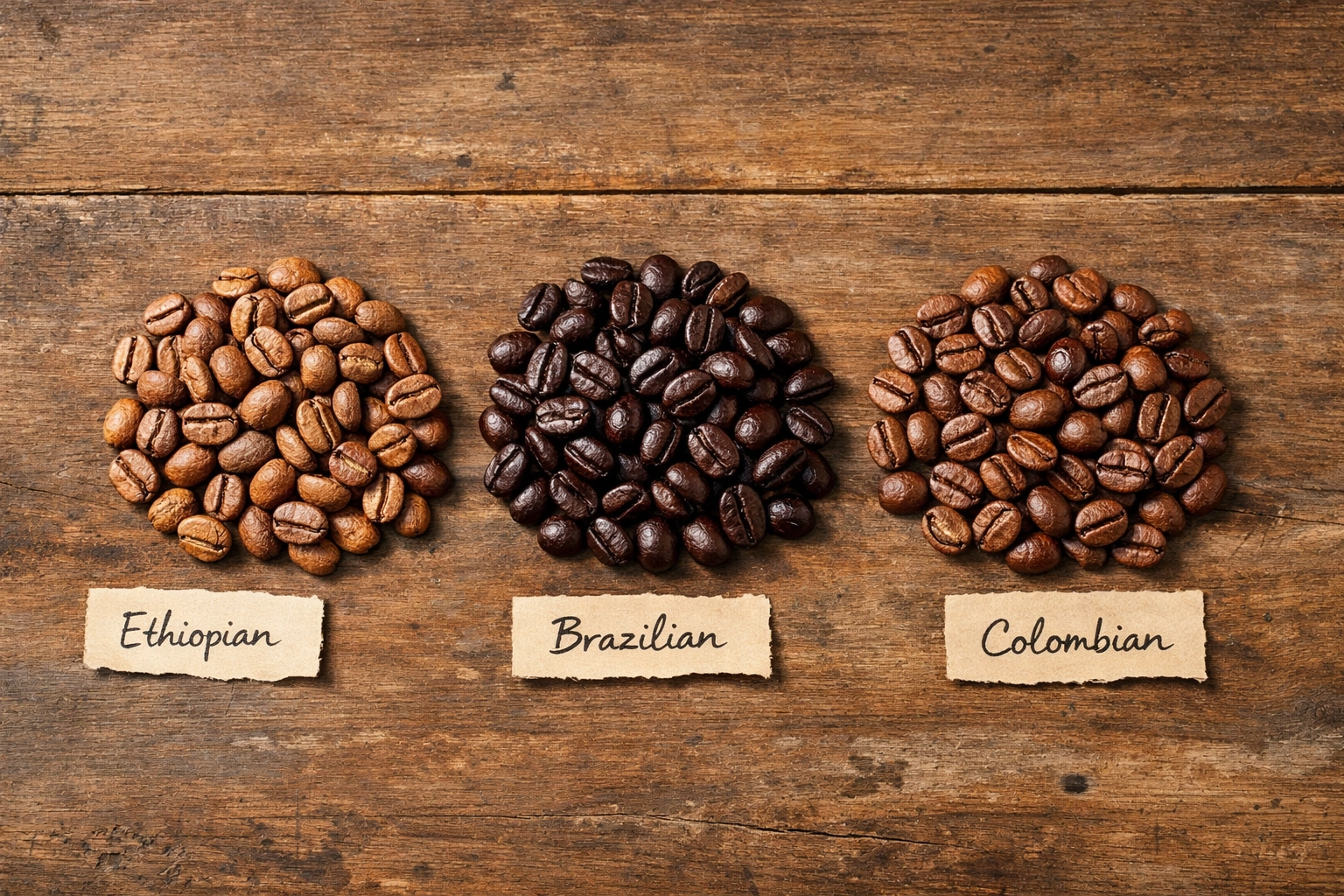
You've probably heard wine folks bang on about terroir – that fancy French word that basically means "a sense of place." Well, coffee has it too, and it's just as fascinating.
Terroir refers to all the environmental factors that influence how coffee tastes: the altitude it's grown at, the soil composition, rainfall patterns, temperature, and even the surrounding vegetation. A coffee plant growing on a volcanic mountainside in Ethiopia will produce cherries with completely different characteristics than one grown in the lowlands of Brazil.
This means that before we even get to roasting or brewing, the coffee's flavour profile has already been shaped by its origin. Pretty cool, right?
And here's the thing – once you start paying attention to these differences, coffee becomes infinitely more interesting. You're not just drinking caffeine; you're tasting the hillsides of Yirgacheffe or the forests of Colombia.
Ethiopia: Where It All Began
Let's start where coffee itself started – Ethiopia. This is the birthplace of Arabica coffee, where wild coffee plants still grow in the forests. Ethiopian coffees are often described as the most complex and aromatic in the world, and there's a good reason for that.
Ethiopian beans, particularly those processed naturally (where the cherry dries around the bean), tend to explode with fruit-forward and floral notes. We're talking blueberry, strawberry, jasmine, bergamot – flavours that can honestly surprise you if you're used to more traditional "coffee" tastes.
Take a coffee from Yirgacheffe or Sidamo, for example. These regions produce beans with incredible brightness and clarity. You might get stone fruit sweetness, tea-like body, and a floral aroma that fills the room as soon as you grind the beans. It's delicate but intensely flavourful.
Natural processed Ethiopian coffees can be quite jammy and wine-like, with a heavier body and pronounced berry notes. Washed Ethiopian coffees tend to be cleaner, with more tea-like qualities and pronounced citrus or floral characteristics.
The beauty of Ethiopian coffee is its diversity. Different regions, different processing methods, different microclimates – they all create distinct cups. It's worth trying several to find what speaks to you.
Brazil: Chocolatey Comfort
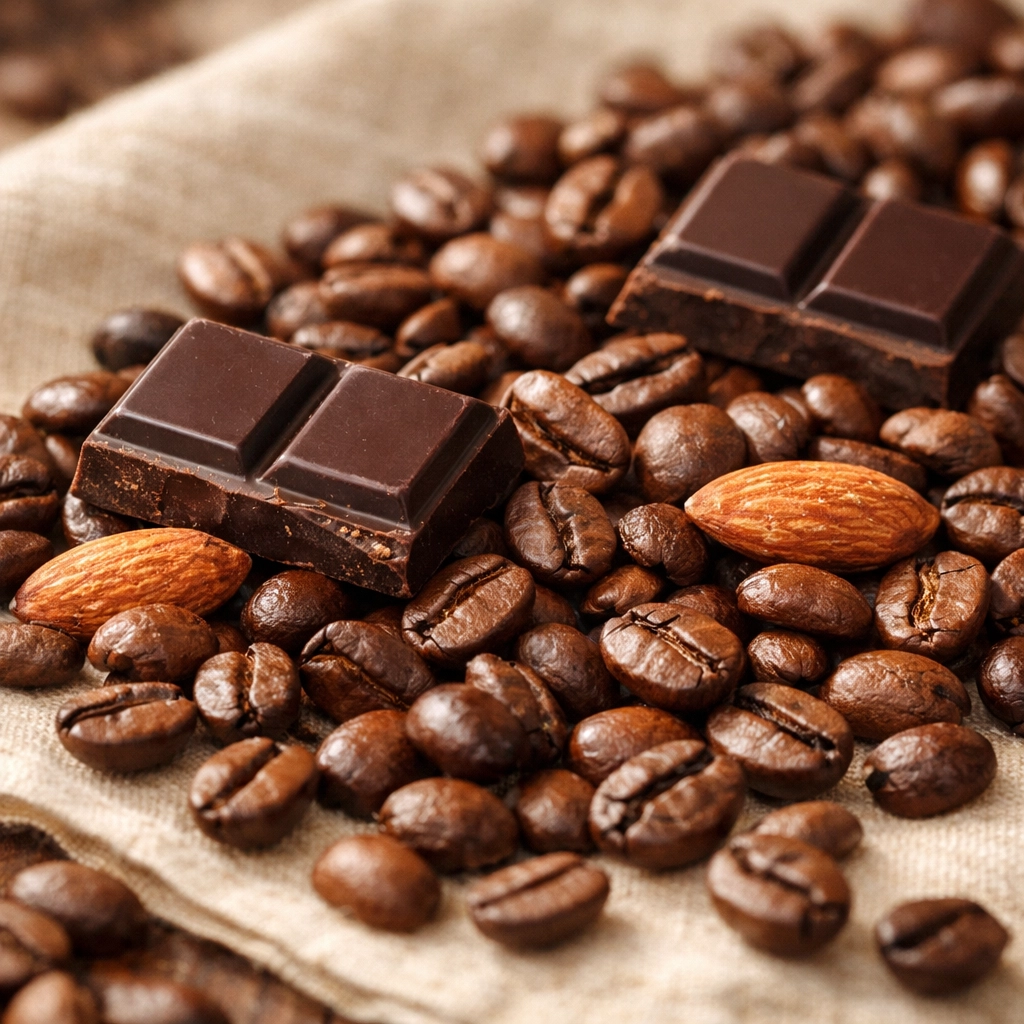
Now let's head across the Atlantic to Brazil, the world's largest coffee producer. If Ethiopian coffee is the excitable, floral friend, Brazilian coffee is the dependable, comforting one.
Brazilian coffees are typically grown at lower altitudes than their African or Central American counterparts, and they're often processed using the natural or pulped natural method. The result? Think chocolate, nuts, caramel, and gentle sweetness.
These beans have a heavier body and lower acidity compared to Ethiopian coffees. That makes them incredibly approachable – smooth, sweet, and satisfying without being challenging. They're fantastic for espresso (which is why you'll find Brazilian beans in so many blends), but they're equally brilliant in a French press or pour-over.
A good Brazilian coffee will give you notes of dark chocolate, roasted almonds, maybe some brown sugar sweetness. It's comforting and rich without being heavy. Perfect for those weekend mornings when you want something that feels like a warm hug in a mug.
The Santos region and Cerrado are particularly well-regarded. Brazilian coffee doesn't get as much hype as some other origins, which is honestly a shame because when it's good, it's exceptionally good.
Colombia: Balanced Brilliance
Colombia sits somewhere between the fruit-bomb excitement of Ethiopia and the chocolatey comfort of Brazil. Colombian coffees are known for their balance, clean cup profile, and bright acidity.
The geography of Colombia is perfect for coffee – high altitude, volcanic soil, and ideal rainfall. Most Colombian coffee is wet-processed (washed), which creates that clean, bright cup that the country is famous for.
You can expect medium body, pleasant acidity (think apple or citrus), and flavours that range from caramel and nuts to red fruits and subtle florals. Colombian coffee is rarely the most dramatic in the lineup, but it's consistently excellent. There's a reason it's one of the most recognised origins worldwide.
Regions like Huila, Nariño, and Antioquia each bring something slightly different to the table. Higher altitude coffees from Nariño tend to have more complexity and brightness, while Huila might give you more body and chocolate notes.
Colombian coffee is brilliant for those who want something interesting but not challenging – it's got character without being polarising.
How to Actually Taste the Difference
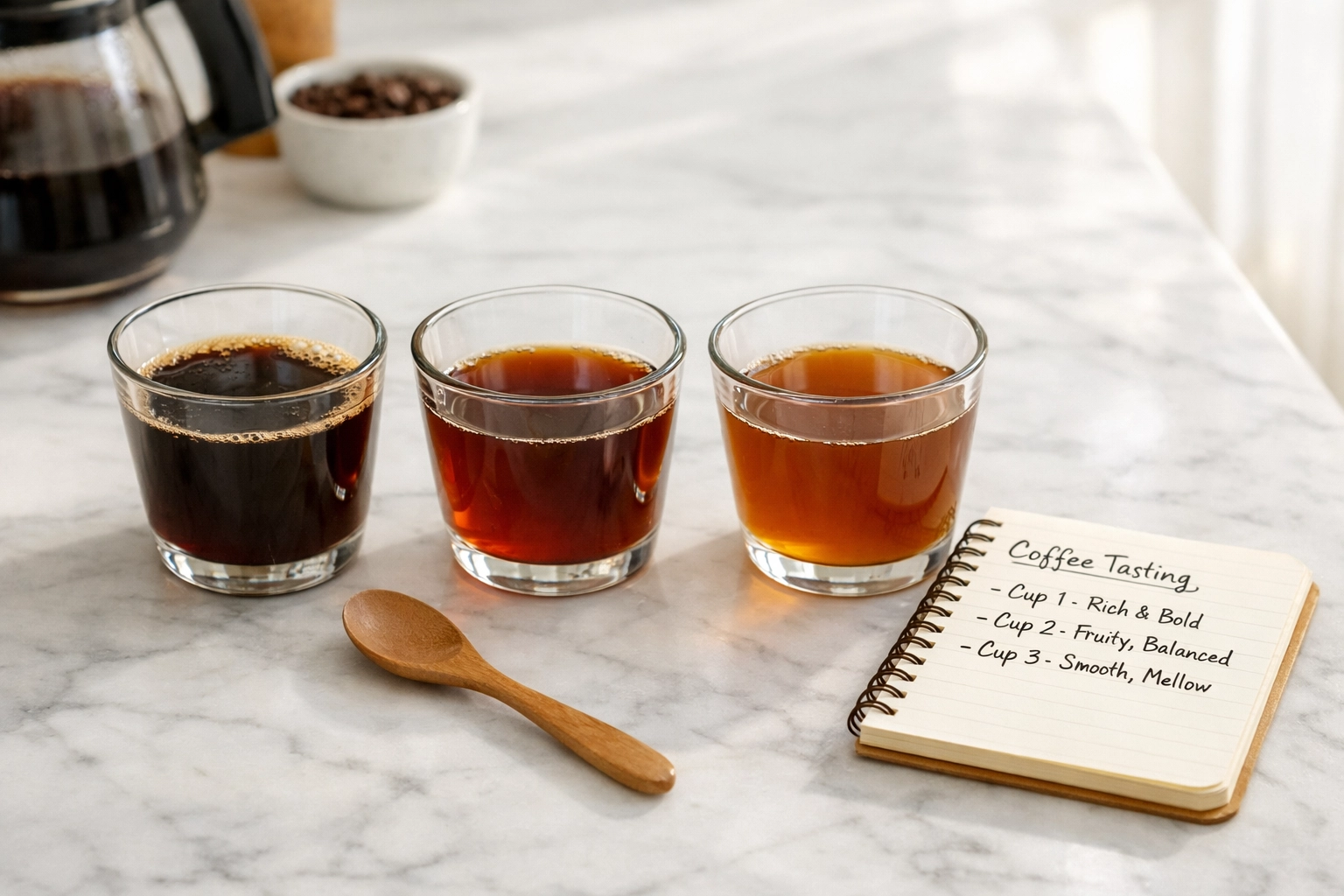
Here's where it gets practical. Knowing about these origins is one thing, but actually tasting the differences? That's where the fun begins.
This weekend, we'd suggest trying a mini "cupping session" at home. Don't worry – it's way less intimidating than it sounds. Basically, you're just brewing coffees side-by-side so you can compare them directly.
Here's the simple version:
Grab two or three single-origin coffees from different regions. Brew them using the same method (pour-over works great for this), with the same ratio and water temperature. This way, the only variable is the coffee itself.
Smell them first. The aroma can tell you a lot. Does one smell fruity and bright? Does another remind you of baking chocolate?
Then taste them, ideally letting them cool a bit. Coffee reveals different flavours at different temperatures. Start by noticing the obvious stuff – is it sweet? Bitter? Acidic? Then dig deeper – what kind of sweetness? What does it remind you of?
You don't need to be fancy about it. Just pay attention. Notice what you like and what you don't. Coffee tasting is completely subjective – there's no right or wrong answer, only what tastes good to you.
Weekend Brewing: Give Yourself Time
One of the best things about weekend coffee brewing is that you actually have time to do it properly. During the week, you might be rushing through your routine. But Saturday morning? That's your time.
Try a brewing method you don't normally use. If you're usually an espresso person, make a pour-over. If you're a French press devotee, try an AeroPress. Different methods highlight different aspects of the coffee, and single-origins especially benefit from this exploration.
Weigh your coffee and water. Use good water (filtered if possible). Grind right before brewing. These things make a genuine difference, and they're easier to do when you're not checking the clock every thirty seconds.
And here's a thought – make it a ritual. Put on some music, maybe make breakfast, and genuinely enjoy the process. Coffee can be functional fuel, but it can also be an experience. Weekends are for experiences.
Explore Limini's Single-Origin Collection

Ready to start your origin exploration? We've got you covered.
At Limini Coffee, we source exceptional single-origin coffees that genuinely showcase what makes each region special. Whether you're drawn to the bright, fruity complexity of East African coffees or the comforting chocolate notes of South American beans, there's something in our collection that'll resonate with you.
Our single-origin selection changes with the seasons and harvests, which means there's always something new to discover. We work directly with producers who share our commitment to quality and sustainability, so you're not just getting great coffee – you're supporting better practices in coffee-growing regions.
You can explore the full range of single-origins at Limini Coffee, and honestly, we'd recommend trying at least two or three different origins to really appreciate the differences.
Start with what sounds appealing to you. If you love fruity, complex flavours, an Ethiopian coffee is calling your name. If you prefer something smooth and chocolatey, Brazilian beans are your friend. Looking for that sweet spot in between? Colombian coffee delivers every time.
Make This Weekend Count
This Saturday morning, why not try something different? Pick up a bag of single-origin coffee you've never tried before, brew it with care, and actually taste what's in your cup.
You might discover that you're absolutely wild about natural processed Ethiopian coffees. Or that Brazilian beans are exactly what you've been missing. Or that Colombian coffee is the perfect everyday drinker you didn't know you needed.
The beauty of coffee is that there's always more to explore. Different origins, different processing methods, different roast levels – the combinations are endless. And weekends are the perfect time to dive in.
So slow down, brew up, and taste something new. Your weekend coffee deserves to be more than just functional. Make it an adventure.
Browse the single-origin collection and find your next favourite coffee. Trust us – your Saturday morning will thank you.