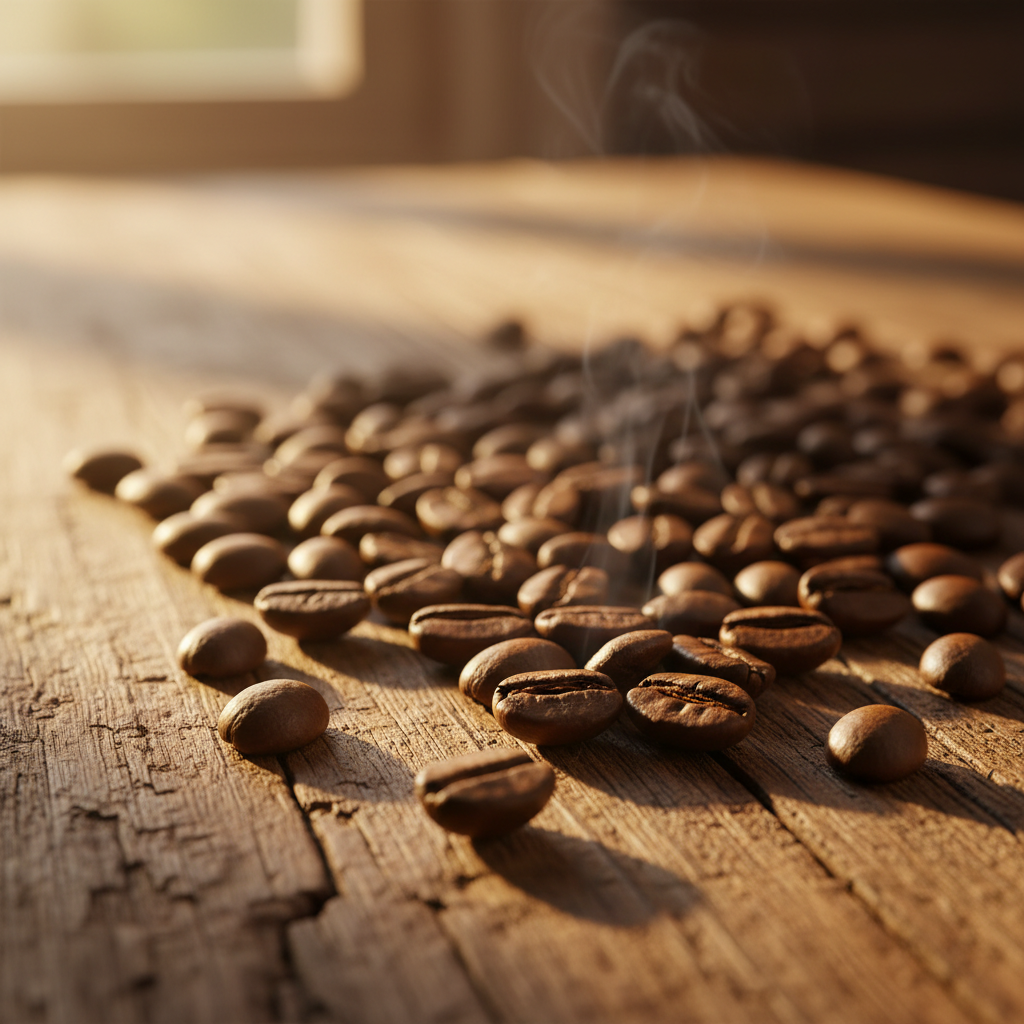
You’ll notice bright, juicy flavors and a clean finish when trying Limini Coffee’s Kenyan beans. Limini sources and roasts Kenyan coffee that highlights fruity acidity and rich sweetness, so you get a lively cup that works for espresso and filter brews alike.
If you want a coffee that stands out, this Kenyan offering gives clear origin character and ripe fruit notes that lift your morning routine. Explore how roast level, grind, and brewing method bring out the best in Limini’s Kenyan beans and how to taste the specific qualities that make Kenyan coffee prized.
Key Takeaways
- Limini’s Kenyan coffee delivers bright fruit flavors and a clean finish.
- Roast and brew choices shape the coffee’s acidity and sweetness.
- Brewing small adjustments unlock the best taste from Kenyan beans.
What Makes Kenyan Coffee Unique?
Kenyan coffee stands out for its bright acidity, layered fruit notes, and strict quality controls. You’ll taste clarity from careful processing and see it in grades like Kenya AA. The beans reflect where they grow and how farmers handle them.
Climate, Altitude, and Soil
You find the best Kenyan coffee on the central highlands around Mount Kenya and the Aberdare Range. Farms there sit between about 1,500 and 2,100 meters above sea level. Higher elevation slows cherry ripening, which concentrates sugars and acids in the bean.
Rainfall patterns matter. Annual totals near 1,100–1,500 mm with distinct wet and dry seasons let cherries flush and then dry predictably. Volcanic soils add minerals that sharpen acidity and support the wine-like, blackcurrant and citrus notes people expect from Kenyan coffee.
Microclimates are common. A slope facing the sun will ripen earlier than a shaded valley. That variation lets you taste different profiles even within one farm.
Bean Varieties and Cultivars
You’ll see several important varieties in Kenyan coffee lots. Traditional lines like SL28 and SL34 still produce top cup quality. Newer cultivars such as Ruiru 11 and Batian add disease resistance and yield stability while keeping good flavor.
Kenya AA refers to bean size and density, not a single variety. Bigger, dense AA beans often cup with pronounced acidity and complex fruit notes. Peaberry lots (PB) can be more concentrated in flavor because the seed grows alone.
When you buy Kenyan coffee, check the varietal and grade. That tells you whether the lot favors classic wine-like acidity (SL28/SL34, Kenya AA) or a more resilient, balanced profile (Ruiru 11, Batian).
Harvesting and Processing
You will notice Kenyan coffee’s clarity comes from meticulous wet processing. Farmers handpick only ripe cherries. That selective picking reduces underripe or overripe flavors in the cup.
After picking, cherries are pulped and fermented in water tanks to remove mucilage. Many mills practice multiple fermentation steps or extended fermentation to refine sweetness and acidity. Washed beans then dry on raised beds to ensure even drying.
The Coffee Board of Kenya oversees grading and auction systems that standardize quality. Your cup benefits from that system: lots are sorted by size, defects, and cupping, then sold through the Nairobi exchange. This traceability helps you find consistent Kenyan coffee beans from trusted cooperatives and mills.
Kenya AA and the Grading System
Kenya AA refers to large, dense green beans that often lead to bright, crisp cups. The grading system sorts beans by screen size and shape, which helps you predict roasting behavior and consistency before you taste the coffee.
Understanding the Grading Process
Grading starts after milling when green beans pass through screens that sort by size. The Coffee Board of Kenya and local exporters use standard screen sizes; AA commonly means screen 18 (about 7.2 mm).
Size affects heat transfer in roasting. Larger, denser beans like Kenya AA heat more slowly and can hold more soluble compounds, which helps you develop clearer acidity and aroma during roast profiles.
Physical inspection and defect counts follow screening. Graders remove broken, insect-damaged, or black beans to protect cup quality. The system does not replace cupping; roasters still cup lots to confirm taste.
Knowing the grade helps you choose beans for a target roast and brewing method. For example, Kenya AA often suits lighter roasts that highlight fruit and floral notes.
Kenya AA: Flavor Profile and Characteristics
Kenya AA usually delivers high acidity, layered fruit flavors, and strong aroma. You can expect notes like blackcurrant, citrus (lemon or bergamot), and a winey sweetness when the coffee is well processed.
Body ranges from medium to full, and the finish is often clean and lingering. Those traits make Kenya AA a top pick when you want bright single-origin cups or a distinctive espresso shot.
Look for traceability and washing-station quality when buying the best Kenyan coffee beans. Well-handled AA lots show uniform bean size and few defects, which helps preserve the signature flavors. If you want a sweeter profile, try slightly darker roast levels, but keep an eye on losing acidity.
Other Popular Grades and Their Qualities
AB is the next common grade; its beans are slightly smaller than AA and still offer strong flavor. AB often gives balanced cups with good sweetness and acidity, and it tends to be more available and cost-effective than AA.
PB (Peaberry) occurs when a cherry produces one round seed. PBs roast and extract differently, often giving concentrated, punchy flavors that you might find interesting as a single-origin choice.
Lower grades like C and T include smaller or broken beans and are used in blends or commodity markets. They can still cup well if processed carefully, but expect more variability. When you buy Kenyan coffee, check grading, defect counts, and mill/source details to choose beans that match your taste and roasting style.
For more on grading specifics and the role of the Coffee Board of Kenya in standards, see Kenya coffee grades explained (https://www.kencaffee.coop/coffee-grades/).
Best Kenyan Coffee Brands and Roasters
You will find options that range from bright, single-origin AA beans to small-batch specialty roasts. Expect clear tasting notes, roast-level choices, and roasters that emphasize traceability and freshness.
Volcanica Kenya AA
Volcanica Kenya AA focuses on high-altitude, volcanic-soil beans that deliver bright acidity and fruit-forward notes. You can buy whole-bean Kenya AA from them in medium roast to preserve citrus and berry flavors.
The product often highlights origin details like county and farm when available, so you can see where your beans come from. That matters if you want transparency and consistent flavor.
For brewing, grind just before extraction and use pour-over or AeroPress to capture the coffee’s acidity and floral tones. Volcanica’s packaging lists roast date and crop year; check those to ensure freshness.
Henry’s House of Coffee
Henry’s House of Coffee often sells single-origin Kenyan lots aimed at clarity and balance. You can expect roast profiles leaning light to medium to keep citric brightness and wine-like complexity.
They tend to source beans from trusted Kenyan cooperatives and emphasize small-batch roasting. That produces more even roast development and lets you taste distinct fruit notes like blackcurrant and red berry.
If you like to dial in recipes, Henry’s beans respond well to manual methods—V60, Chemex, and Kalita work well. Look for product labels that state grade (AA) and altitude to compare lots.
Limini Coffee and Specialty Roasteries
Limini Coffee positions itself as a specialty roastery that highlights Kenyan terroir and farmer partnerships. You can find Kenya AA lots marketed with tasting notes, farm or cooperative names, and sustainability claims.
They roast to bring out layered flavors: citrus peel, blackcurrant, and a wine-like finish in lighter roasts; heavier roast options soften acidity and add chocolate or caramel tones.
Limini often offers whole-bean options and limited single-lot releases. Pay attention to roast date and lot information to pick fresher beans. Brewing with pour-over or a pourover brewer will showcase the roaster’s intended flavor profile.
Choosing the Best Kenyan Coffee
Decide what matters most: clarity and acidity, or deeper body and chocolate notes. If you want bright, fruit-forward cups, choose Kenyan AA labeled single-origin and light to medium roast.
Check for roast date, grade (AA or Screen 18), and origin details like county or cooperative. These factors predict freshness and flavor consistency.
Use whole beans and grind before brewing. For flavor clarity try V60, Chemex, or AeroPress. If you want fuller body, select a medium-dark roast and brew with a French press.
How to Enjoy Kenyan Coffee at Its Best
Kenyan coffee shines for its bright acidity, fruit-forward flavors, and clear cup profile. To get the most from your beans, focus on brewing method, roast level, and bean freshness.
Espresso and Brewing Methods
Use an espresso machine or a pour-over to highlight Kenyan coffee’s acidity and berry notes. For espresso, dial in a 1:2 ratio (18 g dose → 36 g yield) and start with a 25–30 second extraction. If the shot tastes overly sharp, lengthen the extraction by a few seconds or slightly coarsen the grind.
For pour-over (V60 or Chemex) use 16:1 water-to-coffee by weight, water at 92–96°C, and a slow, steady pour. Bloom for 30–45 seconds with twice the coffee weight in water, then continue pouring in concentric circles. French press brings out more body but can mute delicate fruit notes; use a coarser grind and a 4‑minute steep.
Aeropress gives control — try a 1:15 ratio and a 1–2 minute brew for clarity. For all methods, use a burr grinder, filtered water, and preheat equipment to keep temperature steady.
Recommended Roasts and Blends
Choose a light to medium roast to preserve Kenyan coffee’s acidity and floral or berry flavors. Light roasts keep origin character front and center. Medium roasts add a bit more body and caramel sweetness while still showing citrus or blackcurrant notes.
If you prefer milk drinks, select a slightly darker medium roast so the acidity balances with milk. For espresso blends, Kenyan beans pair well with lower-acidity Central American beans to add structure without hiding the fruitiness. If you want the best Kenyan coffee taste, try a single-origin Kenya AA or similar high-grade lot roasted to light-medium — it highlights the cup clarity and vibrant aromatics.
Tips for Selecting Fresh Kenyan Coffee
Buy whole-bean coffee from roasters that list roast dates. Aim to use beans between 3 and 21 days after roast for best aroma and flavor. Avoid pre-ground coffee; ground beans lose volatile flavors quickly.
Look for labeling that shows grade (e.g., AA), region, and process. Kenyan AA often indicates larger bean size and consistent quality. Smell the bag if possible — a fresh bag smells bright and fruity, not flat or stale. Store beans in an airtight container away from heat, light, and moisture. Only grind what you need for each brew to keep the cup tasting its most delicious.
Frequently Asked Questions
You can expect tasting notes of bright citrus, blackcurrant, and a syrupy sweetness, plus clear information about sourcing, price, and brewing choices. Details below cover bean origin, traceability, typical price range, recommended grind and brew, and options for retailers.
What makes this coffee stand out in terms of flavor profile and quality?
Kenyan beans often show lively acidity with citrus and blackcurrant notes. You’ll also notice a pronounced sweetness and clean finish that come from high-altitude growing and washed processing.
Quality comes from strict grading and auction systems that reward higher-density, well-processed lots. This raises consistency and helps you find beans with ripe fruit clarity and aroma.
Are the beans ethically sourced and traceable to specific farms or cooperatives?
Many Kenyan coffees are sold through cooperatives and the Nairobi Coffee Exchange, which supports traceability to specific washing stations and cooperatives. You should ask the roaster for lot or washing-station names and any certification or direct-trade details.
If traceability matters to you, choose roasters that publish lot IDs or farm/co-op names on their product pages or labels.
Why are Kenyan coffee beans often more expensive than other origins?
Higher prices reflect lower total production and strong global demand for Kenya’s distinct flavor profile. You also pay for careful processing, frequent grading, and auction systems that let top lots fetch premium prices.
Transport, export taxes, and certification or traceability costs can add to the retail price you pay at the roastery or shop.
What is the current price range for a 1 kg bag of these beans?
Retail roasters in the UK typically price 1 kg of single-origin Kenyan specialty coffee between about £18 and £35. Prices vary by lot quality, roast level, and any added traceability or certification claims.
If the lot is a top-grade or single-farm microlot, expect prices toward the higher end of that range.
Which grind size and brewing method best highlight the beans’ bright acidity and sweetness?
Use a medium-fine grind for pour-over methods like V60 to highlight clarity and fruit notes. A slightly coarser medium grind works well in Chemex to smooth acidity while keeping sweetness.
For espresso, use a fine grind and focus on a short, syrupy shot to pull out syrupy sweetness and acidity balance. For immersion (AeroPress or cafetiere), use a medium grind and shorter brew times to keep brightness lively.
Is there a white-label option available for retailers or hospitality partners?
Some roasters offer white-label roasting and dropshipping so you can sell Kenyan beans under your own brand. Check for services that include custom bags, bagging, and logistics to match your ordering and delivery needs.
If you want training or equipment alongside white-label supply, ask roasters about barista training and machine supply as part of trade packages.