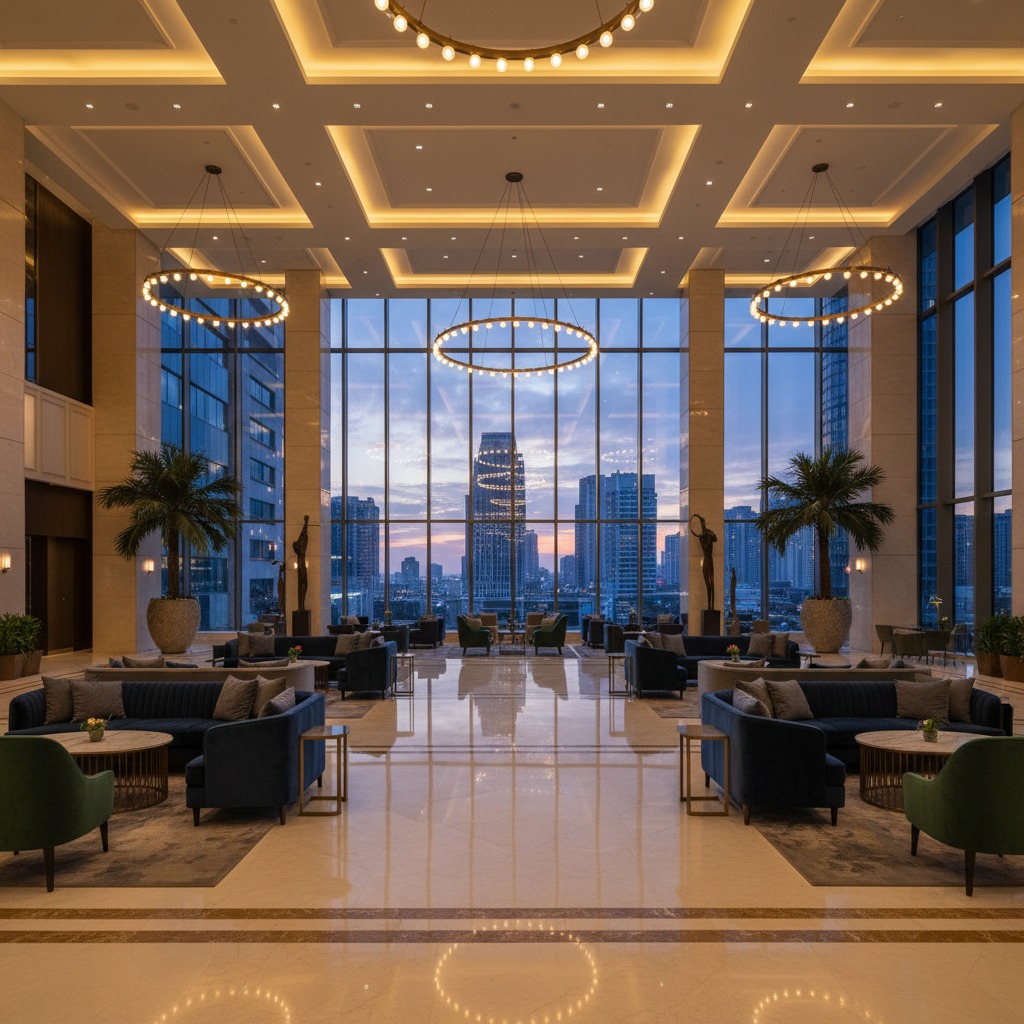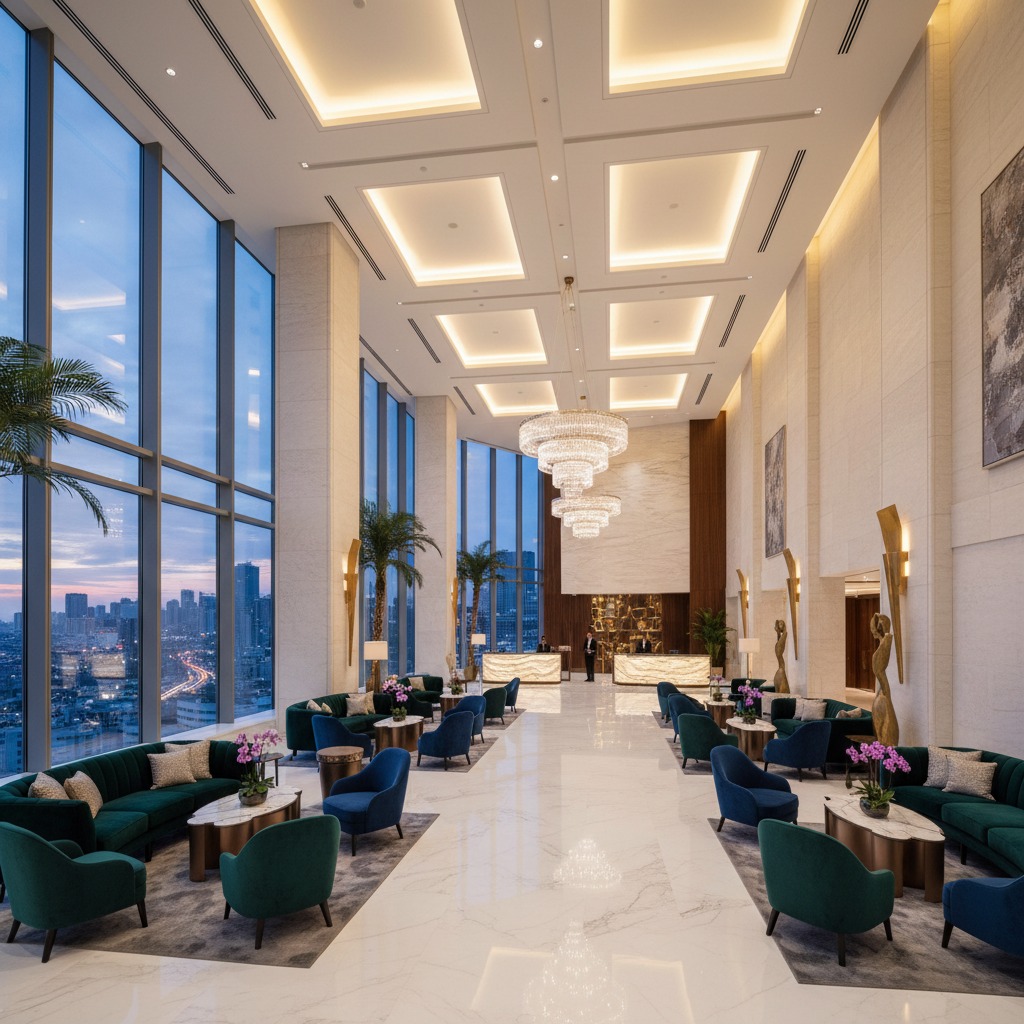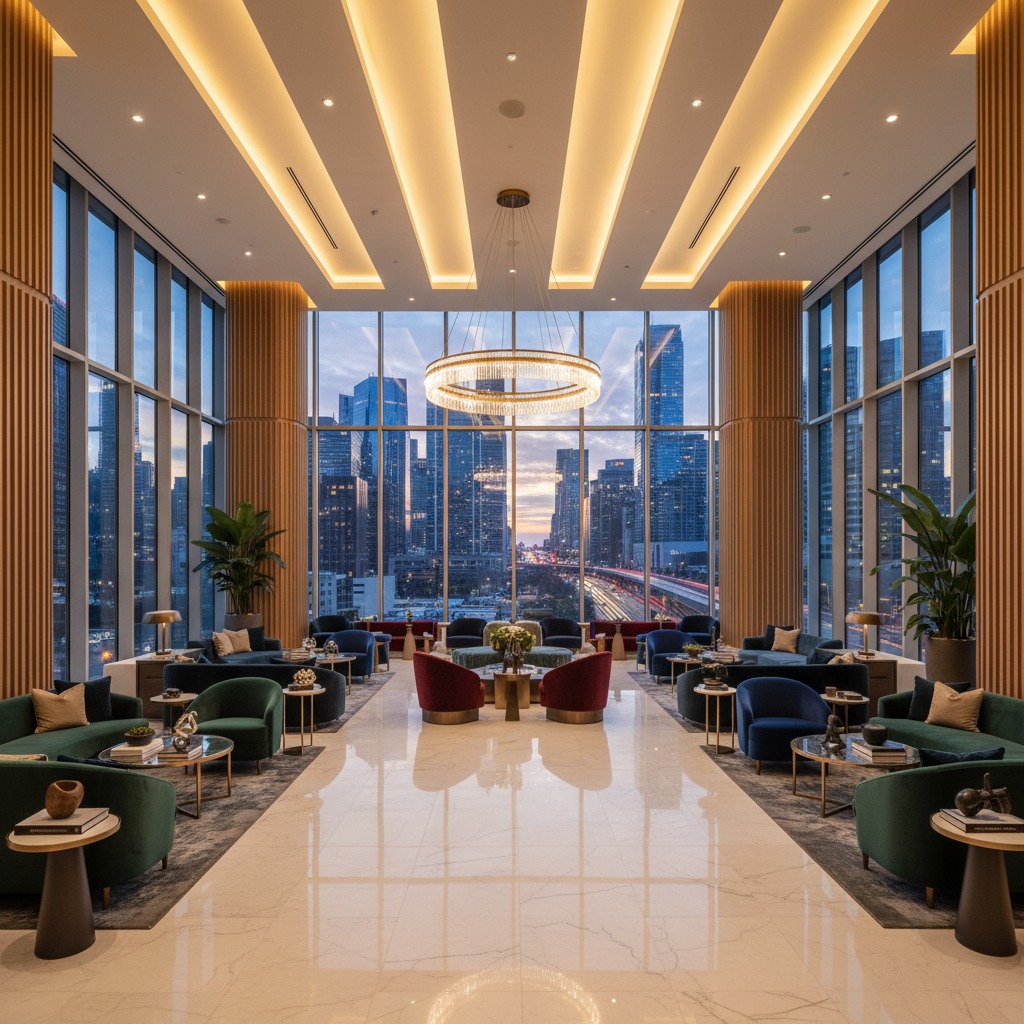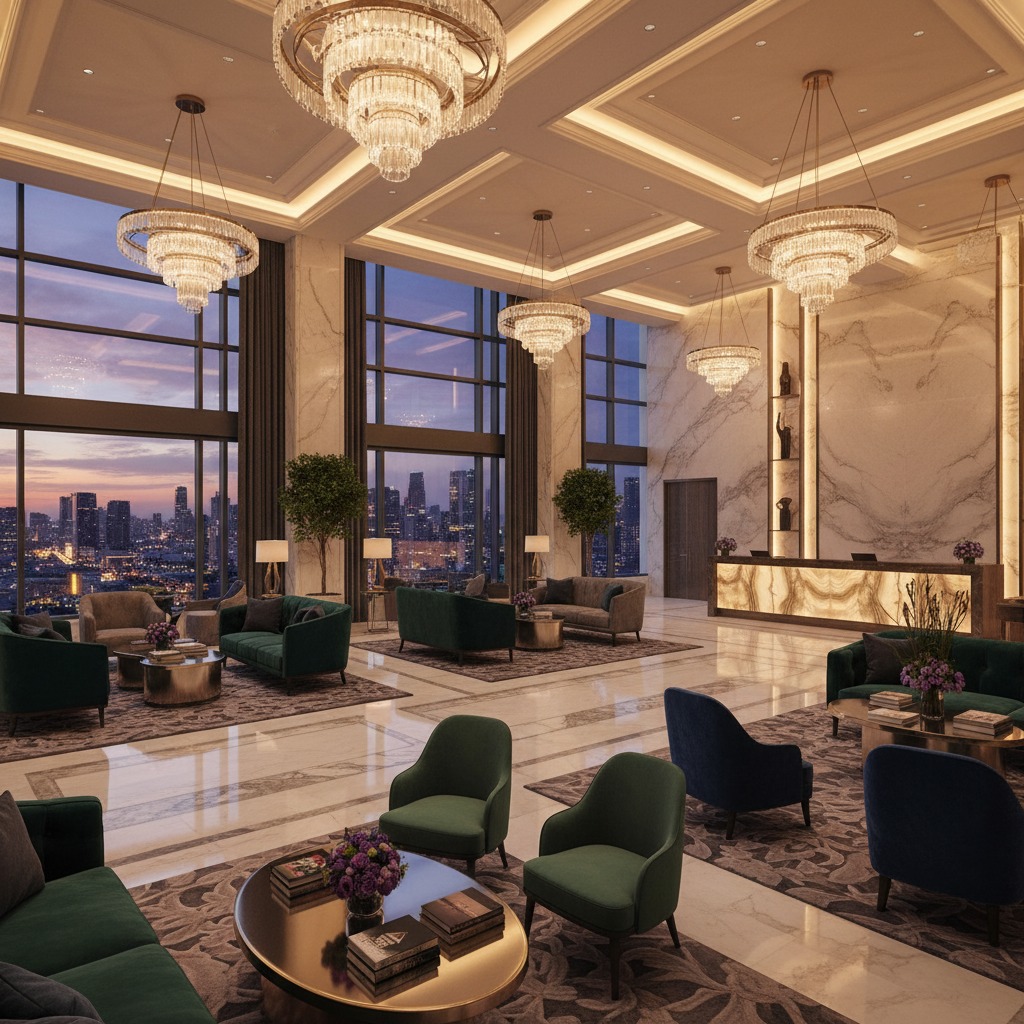
The Lobby Was Designed for Waiting
For generations, hotel lobbies served a straightforward purpose. Guests arrived, checked in at the front desk, completed paperwork, collected their keys, and waited for assistance. While often elegant, the space primarily functioned as an administrative hub.
Today, this model is evolving. Guests expect faster, more flexible, and seamless experiences. They want to start their stay right away—not spend valuable time waiting in line.
The modern lobby is transforming into:
- A welcoming space
- A social hub
- A workspace
- A service center
It’s a place where guests decide how they want to begin their stay.
The front desk isn’t disappearing; its role is expanding. Rather than being the sole entry point, it’s becoming one element of a broader guest experience.
Technology shifts routine tasks away from the traditional counter:
- Guest details are completed before arrival
- Payments are processed digitally
- Room information is instantly accessible
- Requests are sent via connected channels
- Staff assist guests throughout the property
This empowers employees to engage proactively with guests instead of waiting for them to approach. Hospitality becomes more active, personal, and visible.
A business traveler might want to get to their room quickly. A family may need guidance navigating the property. First-time visitors appreciate local recommendations, while returning guests prefer a brief, familiar welcome.
There is no one-size-fits-all check-in process. Modern operations must offer options without complicating staff workflows. Digital check-in and mobile tools support independent travelers, while staff remain ready for those who value personal interaction. Flexibility is the new standard of service.
At first, automation can seem at odds with hospitality. But when done well, technology creates more space for genuine connection.
By handling repetitive forms, manual payments, and disconnected systems, technology frees staff to focus on guests. They can notice if someone looks lost, assist a weary traveler, recommend a local spot, or remember returning guests.
Technology streamlines the process so staff can focus on the moment.
Travelers no longer move predictably through hotels. They work from the lobby, meet friends, attend events, take calls, order food, or use the space as a base for exploring.
The lobby is becoming a flexible environment, not just a passageway from entrance to elevator.
This shift requires hotels to view the property as an experience, not just a collection of rooms. The lobby should make it easy to:
- Ask for help
- Find information
- Connect with others
- Access services
- Relax between plans
- Move smoothly through the property
A warm greeting is important, but it’s even more powerful when backed by accurate information.
Staff need real-time updates on room readiness, guest requests, payment status, and any operational issues that may impact arrival. When this information is scattered, welcomes can become awkward or delayed.
A connected platform consolidates key details, enabling staff to act confidently. Guests perceive this as competence—they feel the hotel is ready for them.
A welcoming lobby cannot compensate for disconnects elsewhere in the hotel. Guests may receive a warm greeting but then face delays with housekeeping, maintenance, payments, or service requests.
That’s why the lobby must be connected to the entire operation. When reservations, room status, payments, guest communication, and workflows align, service remains consistent throughout the stay.
The lobby is the visible start, but the guest experience is built everywhere.
Hotel employees often juggle multiple priorities simultaneously—welcoming arrivals, answering questions, processing payments, coordinating housekeeping, and handling unexpected issues—from the same desk.
Modern hotel software reduces this strain by simplifying workflows and improving information access. Benefits include:
- Less manual administration
- Faster access to guest data
- Clearer task assignments
- Fewer duplicated processes
- Improved interdepartmental coordination
When staff feel in control, guests receive calmer, more attentive service.
A flexible lobby can boost hotel revenue. When staff have time to engage with guests and understand their needs, they can offer relevant recommendations such as:
- Room upgrades
- Breakfast options
- Late checkouts
- Local experiences
- Restaurant reservations
- Wellness services
These offers feel natural when they solve real needs. Technology can present and manage these services subtly, without turning the lobby into a sales counter.
The best revenue comes from making the stay more valuable.
Mews connects the operational systems shaping the guest journey. By integrating reservations, payments, guest data, room operations, and reporting into a modern cloud platform, Mews empowers hotel teams with greater visibility and flexibility.
This supports a lobby that is:
- Less focused on queues
- More focused on welcome
- Less reliant on paperwork
- More responsive to guest needs
- Freed from a single check-in counter
Technology works quietly in the background, letting the hotel’s people and personality shine.
Guests won’t simply arrive, check in, and head to their rooms. They will move through the hotel to work, relax, connect, and explore.
Hotels that embrace this will design lobbies around movement instead of waiting. They will use technology to reduce friction, empower staff, and create adaptable spaces for diverse travelers.
The future lobby won’t ask guests to fit the process—the process will adapt to the guest.
The hotel lobby is changing because the guest experience is changing. People want convenience paired with warmth. Independence alongside personal service. Speed without sacrificing a genuine welcome.
The answer isn’t choosing between technology and hospitality—it’s using technology to create more room for hospitality.
With connected tools from Mews, hotels can transform the lobby from a place of waiting into a place of welcome, discovery, and connection.
Explore how Mews can help modernize your hotel operation:
https://referrals.mews.com/uluFvqob
#HotelTechnology #HotelLobby #GuestExperience #HospitalityInnovation #HotelOperations #DigitalHospitality #Mews