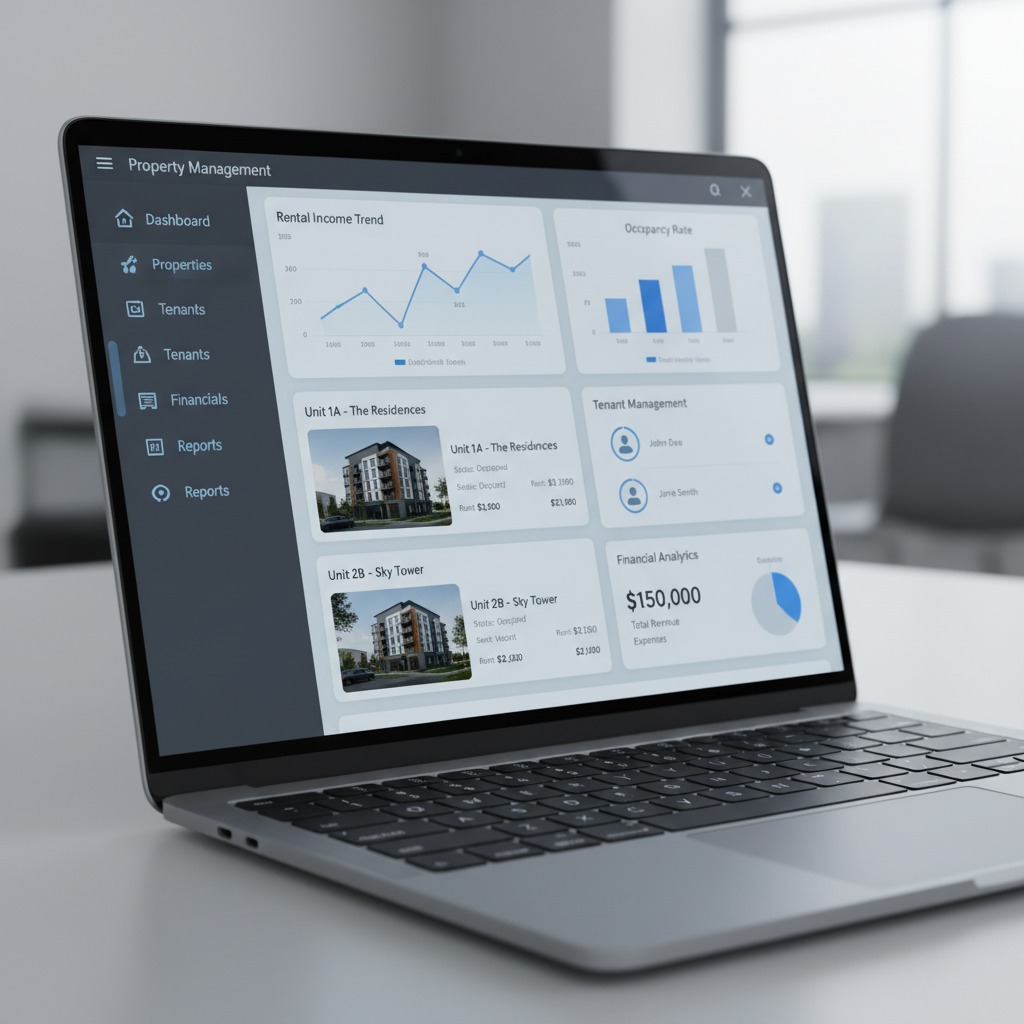
You want a hotel property management system that saves time and makes operations smoother. Mews PMS runs in the cloud and connects reservations, payments, check-in, housekeeping, and reporting so you can cut manual work and focus on guest experience. If you need a modern, API-first property management system that scales from small hotels to multi-property groups, Mews offers the tools to automate operations and boost revenue.
This article will walk you through Mews’ core features, marketplace integrations, rate and revenue tools, booking engine and channel connections, user experience and implementation, and how it compares with other hotel PMS options so you can decide if it fits your property and goals. You’ll learn where Mews works best and what to watch for when choosing a hotel property management system.
Core Features and Capabilities
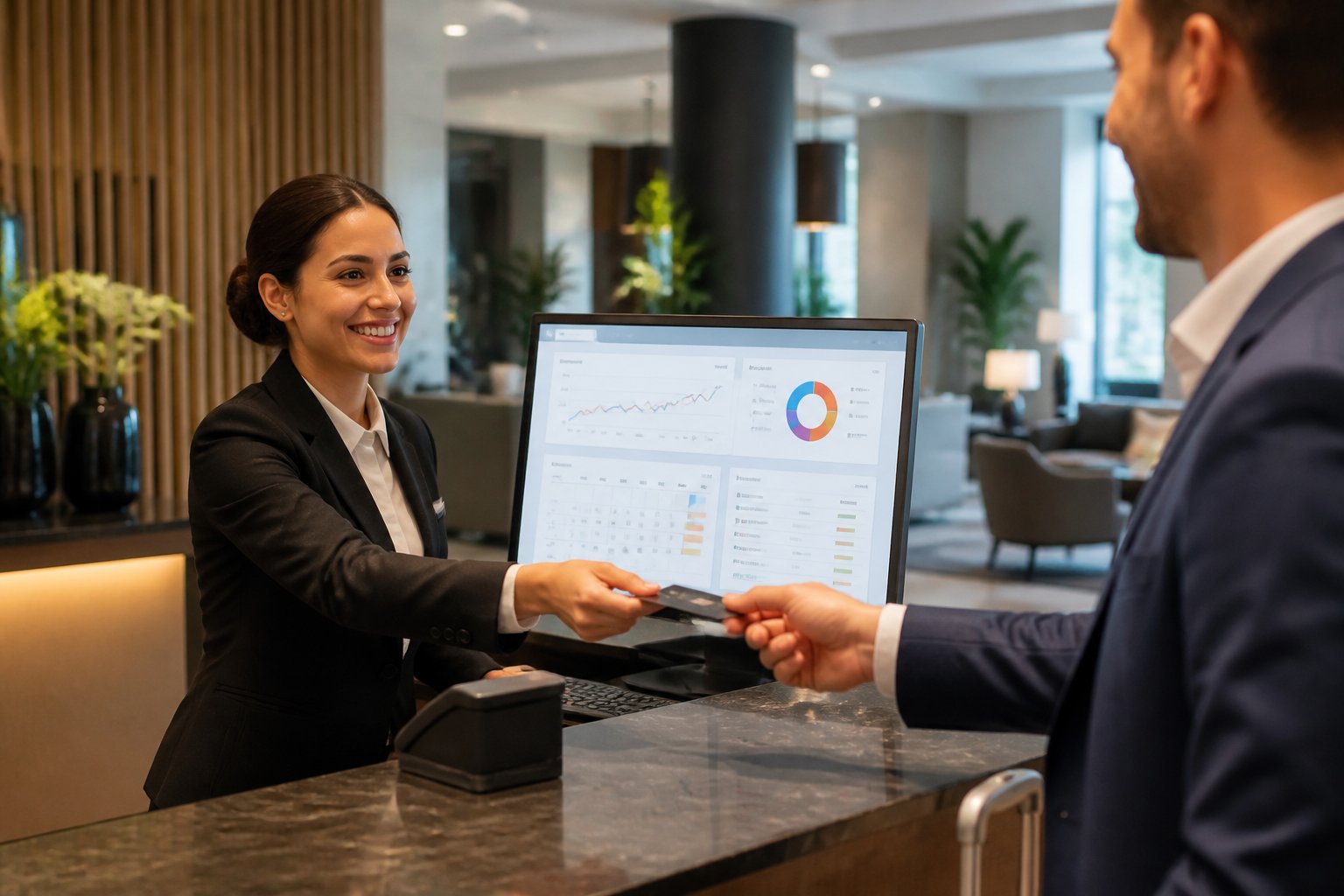
Mews focuses on streamlining front desk tasks, guest self-service, and secure payments. You get cloud-based tools that centralize bookings, housekeeping, billing, and guest profiles for faster daily operations.
All-in-One Hotel Operations
Mews PMS runs as a cloud-based property management system that centralizes reservations, room assignments, housekeeping, and billing in one interface. You can view and edit reservations, change room status in real time, and push updates to housekeeping without switching apps.
The platform connects to booking channels and a marketplace of integrations. That means rates, availability, and reservations sync automatically across your channels and revenue tools. You manage group bookings, event space, and F&B reservations from the same dashboard.
Key operational benefits:
- Single source of truth for guest profiles and folios.
- Real-time data access for occupancy, arrivals, and maintenance.
- API-first design so you can add third-party tools like revenue management or CRM.
Automated Guest Communication and Self-Service
Mews supports automated guest communications and self-check-in workflows so you reduce phone calls and queues. You can send pre-arrival messages, booking confirmations, and upsell offers through email or SMS tied to the guest profile.
Self-service options include digital check-in, digital key issuance, and the Mews Kiosk. Guests complete registration and payments, then receive mobile keys or kiosk-printed access codes. That lowers front desk load and improves guest satisfaction.
Features that matter to your guests:
- Automated, timed messages (pre-arrival, in-stay, post-stay).
- Virtual concierge features for requests and add-ons.
- Persistent guest profiles that store preferences, ID, and stay history.
Payment Processing and Security
Mews Payments integrates card capture, authorization, and settlement directly into the PMS so you avoid manual reconciliation. You can take pre-authorizations, store tokens on the guest profile, and process refunds without leaving the system.
The platform supports PCI-compliant workflows and tokenization to reduce card-storage risk. You also get reporting that ties payments to folios and reservations, simplifying audits and revenue tracking.
Practical payment controls:
- Tokenized card storage on guest profiles.
- Pre-authorize or capture at check-in/checkout.
- Centralized payment reports that match transactions to bookings.
Relevant links:
- Learn about Mews as a modern hotel property management system.
- Read an independent Mews PMS review 2026.
Marketplace Integrations and Open API
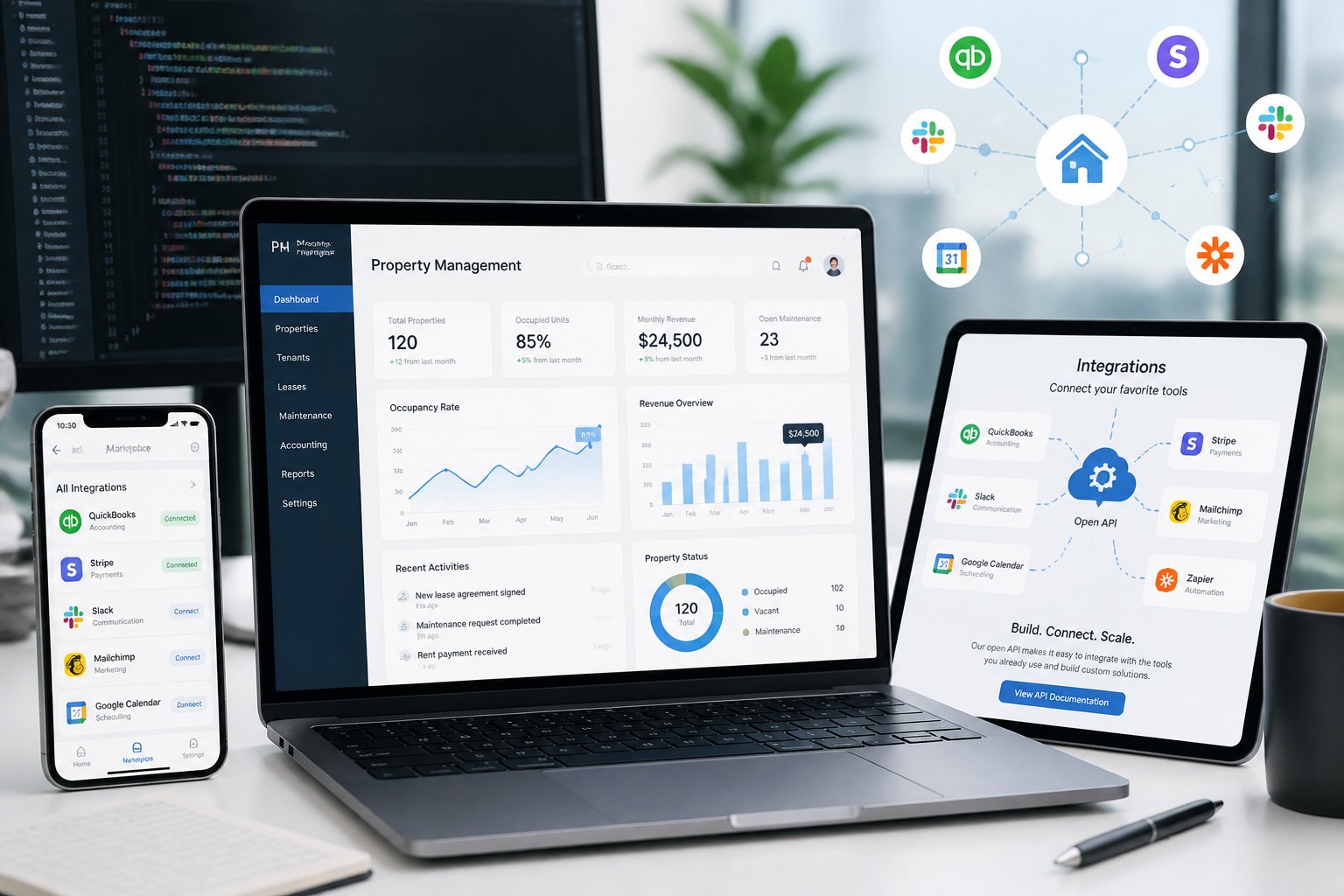
Mews gives you a large catalog of third-party apps and a full open API so you can connect guest services, revenue tools, and operations systems the way you need them.
Mews Marketplace Overview
The Mews Marketplace lists more than 1,000 hospitality apps that plug into Mews PMS. You can search by category—guest experiences, revenue management, distribution, operations, and point of sale—to find partners like channel managers, review tools, and payment providers. Each app entry shows its function and integration status so you can judge fit quickly.
You can access certified partners that support features such as direct channel connections to Booking.com and Expedia, guest messaging, and door lock integrations. This helps you replace manual work with automated flows that push reservations, payments, and guest data into Mews.
Quick facts:
- Catalog size: 1,000+ integrations.
- Common categories: distribution, F&B, guest tech, revenue, operations.
- Visibility: app descriptions and setup guidance in the Marketplace.
App Integrations and No Integration Fees
Many Marketplace apps integrate without an extra integration fee, so you pay only the app subscription rather than a separate connector charge. That removes a common barrier when adding services like a revenue management engine or a WhatsApp concierge.
When you pick an app, the Marketplace often includes configuration steps and documentation. For common needs—receiving reservations, syncing rates, or posting charges to Mews POS—you’ll find ready-made integrations. If an app needs customization, partners or Mews support can help with implementation and testing.
Checklist for adding an app:
- Confirm no integration fee on the app page.
- Review required API scopes and credentials.
- Test data flows in a staging environment before going live.
Building a Flexible Tech Stack
You build your tech stack around Mews by combining Marketplace apps and the Mews Open API. Use the Open API to connect systems that do not have prebuilt apps, or to create deeper two-way integrations for loyalty, CRM, or bespoke reporting.
The API covers reservations, payments, inventory, and guest profiles. That lets you automate tasks like posting POS transactions to a folio, syncing housekeeping status, or sending targeted guest messages. Developers can use documentation and SDKs to speed integration, and you can work with certified partners for turnkey solutions.
Practical steps:
- Map the workflows you want automated.
- Choose Marketplace apps for standard needs.
- Use the Open API for custom or advanced integrations (authentication and rate limits apply).
Revenue and Rate Management
Mews helps you set prices, capture extra income from non-room spaces, and automate rate changes with clear controls and real-time data. You get tools that link pricing decisions to bookings, guest profiles, and on-property sales.
Dynamic Pricing and RMS Integration
Use Mews’ revenue management system (RMS) to adjust prices automatically based on demand, competitor rates, and historical data. The RMS connects to your property management system so rate changes publish to your booking engine and channels without manual steps.
You can run rules that raise prices for high-demand dates or drop them to fill gaps. The system logs decisions, so you can see why a price changed and measure RevPAR impact.
If you already use a third-party RMS, Mews supports integrations that sync inventory and rates in real time. That keeps overbookings and rate mismatches to a minimum and reduces manual reconciliation.
Flexible Rate Management Tools
Mews gives you flexible rate plans, packages, and add‑ons you can mix and match for different channels. Create non‑refundable, breakfast‑included, or corporate rates, then map them to channels and set restrictions like minimum stay or closed arrival.
You can also monetize other revenue centers—parking, meeting rooms, and F&B—so pricing ties into total property revenue. Use the built‑in pricing controls to set manual overrides, bulk price edits, and targeted promotions.
Linking Mews pricing to your Mews POS ensures incidental spend and upsells feed into reports. That makes it easier to track which rate plans drive higher spend and adjust rates to maximize total revenue.
Booking Engine and Channel Connections
Mews connects your website, payment flow, and property management system so you control rates, extras, and availability from one place. You will see how the booking engine boosts direct revenue and how to move reservations and settings into Mews without breaking live bookings.
Direct Booking Optimization
You can turn your website into a direct-sales channel that captures guest details, payments, and upsells in one flow. The booking engine supports real-time availability, multi-currency checkout, and built-in payments so guests book and pay without leaving your site. Use native-language layouts and a clear calendar to reduce abandoned bookings.
Focus on conversion points: show room rules, cancellation policies, and visible taxes before checkout. Add staged upsells (parking, breakfast, early check-in) during booking to raise revenue per booking. When the booking engine is embedded and integrated with your PMS, confirmations, folios, and inventory sync automatically, which cuts manual data entry and OTA commissions. For a deeper look at Mews’s booking features and payment handling, see the booking engine overview.
Seamless Data Migration
When you move to Mews, plan the migration around live rates, reservations, and channel mappings to avoid overnight revenue gaps. Export existing reservations, rate plans, and guest profiles from your legacy system and map them to Mews fields before cutover. Validate rate codes and minimum-stay rules in a test environment so your channel manager and booking engine show correct availability on day one.
Use API or built-in connectors to sync OTA channels and reduce double bookings. Reconcile past deposits and prepayments so guest ledgers match after migration. Keep a short freeze window for new reservations during the final sync and communicate the timing to OTAs and bookers. If you need tools for live integrations or automation, review Mews’s API and channel partner options.
User Experience and Implementation
Mews focuses on fast onboarding, cloud-based operations, and continuous support so your team can run day-to-day hotel tasks, access real-time data, and accept payments quickly. Expect hands-on training, staged data migration, and clear security controls tied to your payment gateway and property access.
Staff Training and Onboarding
You get role-based training that maps to front desk, housekeeping, and revenue teams. Training uses live demos, sandbox access, and short guided modules so your staff practices common flows like check-in, group arrivals, and rate changes.
Keep sessions short and focused. Front desk staff learn reservation handling, payment capture via the integrated payment gateway, and how to view real-time room status. Housekeeping learns digital task lists and room updates that sync to the cloud-based property management system.
You can track progress with completion reports and quick assessments. This reduces errors during peak shifts. Trainers also show integrations with your POS and third-party tools so your team knows where to click when a guest charges food or requests extra services.
Migration and Support
Mews offers staged data migration to move reservations, profiles, and rates from legacy PMS systems. You and the implementation team review CSV exports or API feeds to map fields like guest history, group bookings, and payment tokens.
Go-lives can be phased by department or by property. A pilot day helps you confirm room inventory, nightly audit reports, and payment gateway connectivity. Mews aims for short turnaround times for common cutovers to limit revenue disruption.
Support is continuous. You receive live chat, phone escalation paths, and documentation for troubleshooting bookings, refunds, and housekeeping sync issues. Expect sub-3-minute response claims in some offerings, but verify SLAs during contracting to match your hotel operations needs.
Security and Compliance
Mews runs a cloud-native architecture that centralizes access and logging for hotel property management tasks. You control user roles and permissions so only assigned staff can view payment details or change rates.
Payment handling follows tokenization and integrates with major payment gateways to reduce card data exposure. Check that your implementation uses PCI-compliant gateways and that retained payment tokens meet your regional rules.
Data encryption in transit and at rest protects guest profiles and reservation histories. Ask for details on audit logs and data retention policies, especially if you need to keep records for accounting or regulatory audits.
Comparison With Competing Platforms
Mews stands out for automation, API-first design, and a large partner marketplace. You’ll weigh flexibility and integrations against ease of setup, pricing, and built-in tools when comparing alternatives.
Cloudbeds and Little Hotelier
Cloudbeds targets hotels that want an all‑in‑one stack: PMS, channel manager, booking engine, and revenue features in one account. If you need fewer external integrations and faster time-to-live, Cloudbeds often reduces setup work and can cut vendor coordination. Cloudbeds also tends to offer a lower entry price point for small properties, which matters if budget limits your choices.
Little Hotelier focuses on very small properties and B&Bs. It gives a simpler front desk, direct booking pages, and basic channel management. If your property has under 20 rooms and you want minimal training, Little Hotelier keeps daily tasks straightforward. But if you need complex automation, multi‑property control, or a heavy third‑party ecosystem, Little Hotelier may feel too limited compared with Mews.
Opera Cloud and Other Alternatives
Opera Cloud (Oracle Hospitality) suits larger hotels and branded groups that need enterprise controls, deep accounting, and detailed rate rules. You’ll get strong reporting, complex folio operations, and broad vendor support, but implementation and costs rise. Opera is less agile for rapid change than Mews, so choose it when strict enterprise workflows matter more than fast innovation.
Other alternatives span mid-market systems and niche PMS vendors. Some prioritize simplicity and low cost; others prioritize APIs and customization. Match your decision to the scale of operations, desired automation level, and whether you want a marketplace of integrations (Mews) or a bundled platform (Cloudbeds/Opera).
Target Markets and Ideal Use Cases
Mews works best where you need modern cloud tools, flexible integrations, and streamlined guest flows. Expect native payment, kiosk check-in, and an app marketplace that supports boutique setups and scaled group operations.
Boutique Hotels and Independent Properties
You get a clean, API-first system that fits small teams and unique guest experiences. Use Mews to reduce front-desk time with self-service check-in kiosks and mobile check-in, freeing staff to focus on guest service and upsells.
The platform’s design tools and marketplace let you add niche apps for guest messaging, door locks, and local experiences without heavy IT work. You can run custom rate rules and packages that reflect your brand, and process payments securely through built-in payments to cut reconciliation time.
If you operate 20–100 rooms, Mews handles booking, housekeeping, and POS integration in one place. That helps you keep operations lean while improving guest satisfaction and revenue per stay.
Multi-Property and Group Operations
You can centralize operations across several properties while keeping each hotel’s identity. Mews supports portfolio reporting, shared guest profiles, and role-based access so corporate teams can view performance without blocking local control.
Group-level tools let you roll out consistent rate plans, promotions, and accounting rules across properties. Automated interfaces for payments, channel management, and housekeeping standardize processes and reduce manual errors at scale.
If you manage 3–50 properties or a mix of hotels and apartments, Mews lowers administrative overhead and speeds up rollouts for rebrands, new openings, or seasonal changes. This makes it easier for you to grow without adding a large back-office team.
Relevant reading: explore Mews’ product and customer stories for real examples of boutique and multi-property use at Mews PMS (https://www.mews.com/en-gb/property-management-system).
Frequently Asked Questions
This section answers common practical questions about account access, staff training, pricing, demos, user feedback, and technical integration. Each answer gives clear steps or links you can follow for help or next actions.
How do I log in to my account if I can’t access the dashboard?
If you can’t access the dashboard, first check your internet and try a different browser or private window.
Use the password reset link on the login page to send a reset email to your account address.
If the reset email does not arrive, contact your property admin to verify your account email and role.
If your hotel uses single sign-on or a third-party identity provider, ask your IT team to confirm settings.
What training resources are available for new staff to get started quickly?
Mews offers step-by-step guides and community tutorials that cover key tasks like check-in, reservations, and payments.
Search the Mews Community for how-to articles and peer answers to common setup questions.
You can also use vendor or partner training that focuses on your property’s workflows.
For hands-on help, consider booking instructor-led sessions through your account manager.
How much does the software cost, and what factors affect pricing?
Mews pricing starts from a per-room monthly fee and can vary by plan tier and add-ons.
Factors that change cost include number of rooms, payment processing, kiosk or hardware needs, and third-party integrations.
Ask your vendor rep for a quote that lists base fees, optional modules, and any setup or onboarding charges.
Compare plans carefully for included features and per-room vs flat fees.
How can I request a live demo, and what should I prepare in advance?
Contact Mews through the product page or request a demo via your region’s sales form to book a live demo.
Prepare a short list of your property size, PMS goals, and key pain points to share before the meeting.
Bring sample tasks you want to test, such as group bookings, rate rules, or payment flows.
If relevant, invite your IT lead so you can discuss integrations and data migration during the demo.
What do real users say about reliability, support, and day-to-day usability?
Users often say the cloud-native system reduces on-site server work and speeds up common tasks.
Many reports highlight the modern interface and automation for check-ins and payments.
Some users note variation in support response times depending on region and plan level.
Check recent user reviews and vendor-provided case studies to see feedback from properties similar to yours.
What capabilities does the API offer for integrations with other hotel systems?
Mews provides an API-first platform that supports reservations, rates, inventory, and payments.
You can connect booking engines, channel managers, POS systems, and third-party apps through RESTful endpoints.
Developers can use the API to automate postings, sync room availability, and handle guest profiles.
Review the official API docs and the marketplace of certified integrations to plan your integration work (for example, see the Mews marketplace and integration guides).